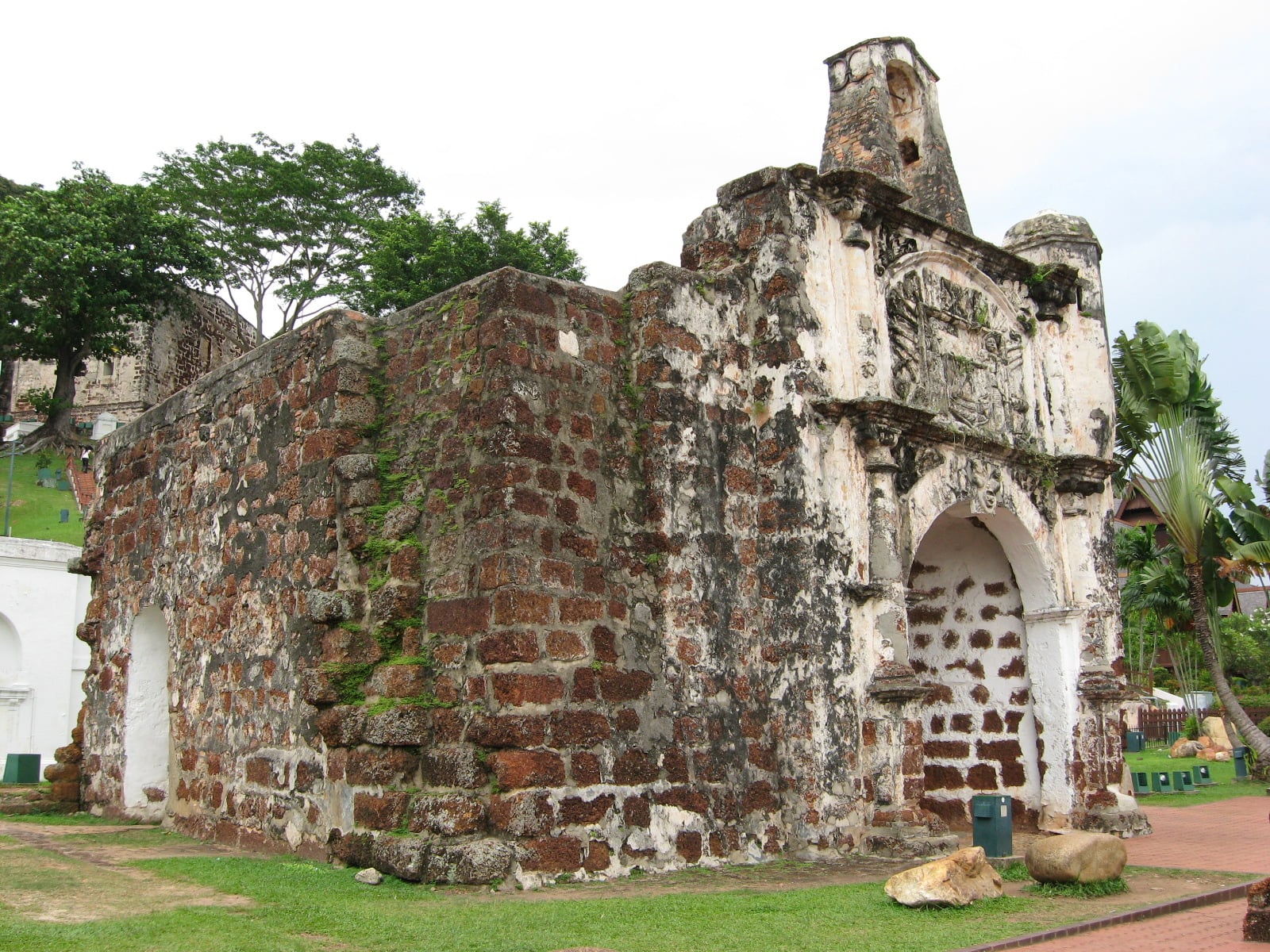
Portugal Captures Malacca
Afonso de Albuquerque’s fleet seized Southeast Asia’s busiest port and its spice trade.
In July 1511, an armed fleet commanded by Afonso de Albuquerque, Governor of Portuguese India, entered the busy waters off the Malay Peninsula. His primary target was Malacca, an influential entrepot dominating the narrow strait linking maritime trade between China and the Indian Ocean. For decades, merchant communities including Gujaratis, Javanese, Coromandel Hindus, and Chinese had converged there to exchange textiles, porcelain, silk, and spices. Portuguese monarch Manuel I sought to capture the city to forestall Spanish claims in the East and to consolidate maritime dominance alongside bases at Goa and Hormuz.
Relations between Portugal and the Malacca Sultanate had turned hostile two years earlier. In 1509, a diplomatic mission led by Diogo Lopes de Sequeira landed in the port seeking permission to open a factory. The initial agreement collapsed after local and Gujarati traders persuaded Sultan Mahmud Shah that the newcomers threatened the regional commercial order. Sequeira escaped an ambush, leaving behind roughly twenty Portuguese captives who were imprisoned under severe conditions. Albuquerque departed Cochin in April 1511 with eighteen vessels and a force recorded between one and two thousand men, determined to free the hostages and permanently secure the port.

Keep reading in Yester
Coming soon to the App Store
Keep following the story

Sources
Image: T0lk