The Mabo Decision Recognizes Native Title
Australia’s High Court rejected the idea that the land had belonged to no one.
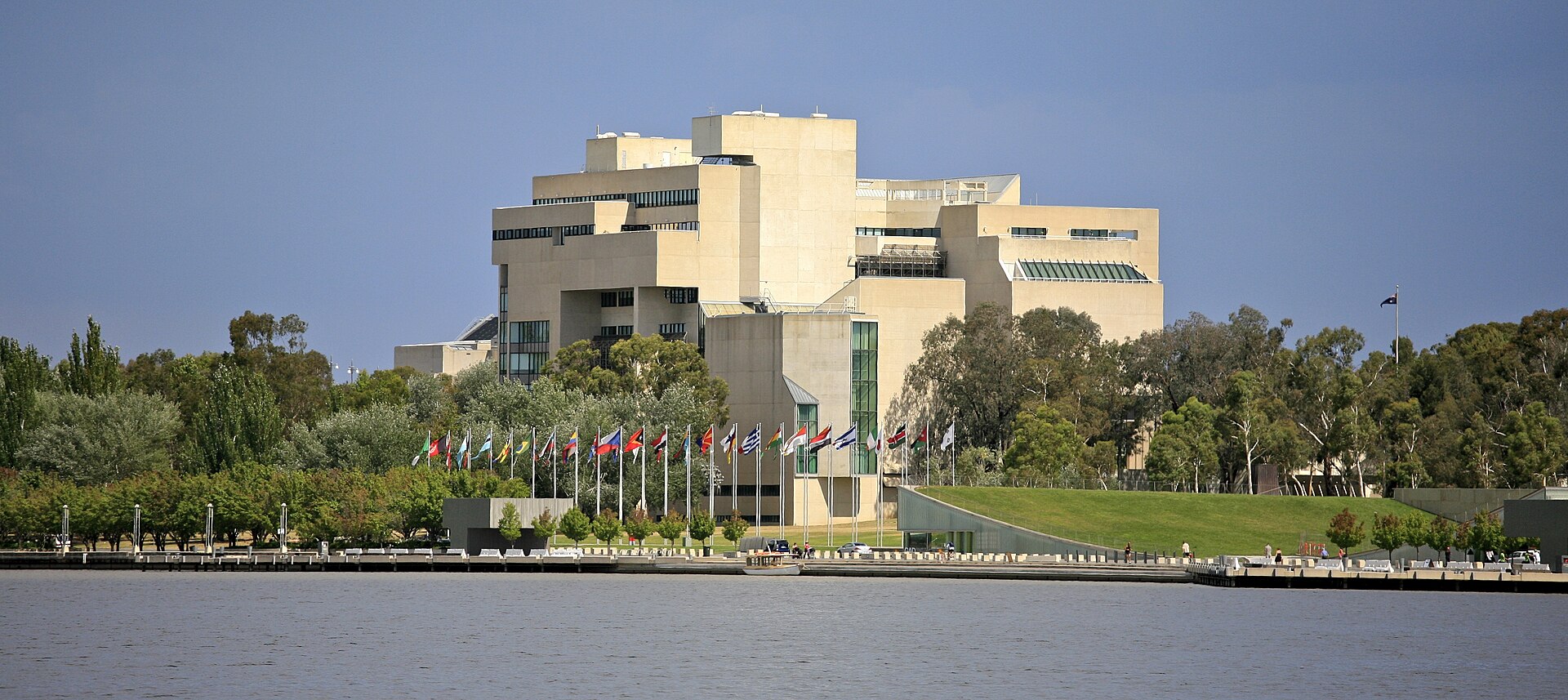
On 3 June 1992, the High Court of Australia delivered a transformative ruling in Mabo v Queensland (No 2), determining that pre-colonial property interests held by Indigenous Australians survived British colonization under the country's common law. The litigation had been initiated a decade earlier in 1982 by Eddie Mabo and four fellow plaintiffs from the Murray Islands in the Torres Strait. Mabo himself died a few months before the judgment was delivered. They sought a formal declaration that the Meriam people retained traditional rights over their lands, which are anchored in Malo's Law, a system of religiously sanctioned family and communal customs governing the island of Mer.
Prior to this decision, Australian jurisprudence rested on the principle established in the 1970s case Milirrpum v Nabalco Pty Ltd, which held that native title did not exist and had never existed in Australia. British claims of sovereignty had long treated the continent as terra nullius, meaning land belonging to no one, or as unsettled territory lacking an established legal system. The State of Queensland opposed the claim, contending that native title had never been part of Australian law and that any such rights had been extinguished by colonial legislation, specifically the Land Act 1910.

Keep reading in Yester
Coming soon to the App Store
Keep following the story
Sources
- Mabo vs QLD (Queensland State Archives)
- Australia: Mabo & Ors v. Queensland (1988 & 1992) (HURIGHTS OSAKA)
- On this day: Mabo sets native title precedent (Australian Geographic)
- Mabo decision (Parliamentary Education Office)
- Redfern speech, 10 December 1992 (PM Transcripts, Department of the Prime Minister and Cabinet)
- Mabo v Queensland (No 2)
Image: Alex Proimos from Sydney, Australia