
Viking Raiders Strike the Monastery of Lindisfarne
An attack on an island monastery marked the start of the Viking Age in Britain.
On 8 June 793, seaborne raiders descended upon the tidal island of Lindisfarne off the coast of Northumbria. The monastery situated there, established in the seventh century by Irish monks, was an influential centre of Northumbrian Christianity. The sudden assault resulted in the killing and enslavement of many resident monks, while the monastery itself was desecrated and plundered. In the Christian West, the devastation of such an established sanctuary was greeted with horror, and modern historians frequently identify the event as the opening moment of the Viking Age in Britain.
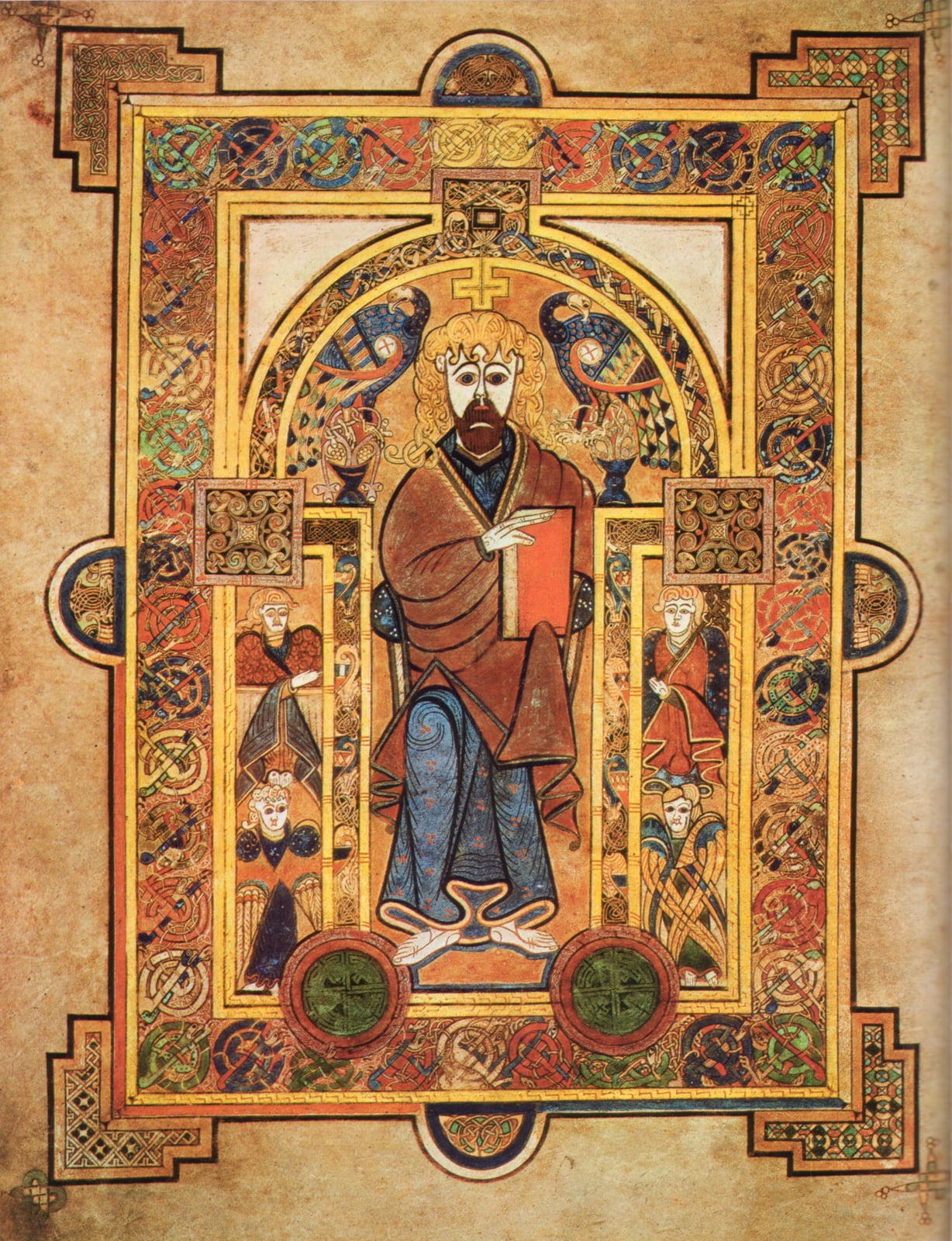
The targeted community had evolved over roughly a century and a half from a modest monastic foundation into a vital religious and artistic institution. Sent from Iona around 635 at the invitation of King Oswald, the monk Aidan established the settlement, which served as a focal point for Christian evangelism across northern England. The abbey grew in spiritual authority under leaders such as Saint Cuthbert, who served as bishop shortly before his death in 687. Cuthbert's remains drew pilgrims for centuries, transforming the island into a major spiritual destination. Lindisfarne was also the workshop where the Lindisfarne Gospels, an illuminated Latin manuscript famed for its intricate insular style, were produced in the early eighth century.

Keep reading in Yester
Coming soon to the App Store
Keep following the story
Sources
Image: Chris Combe from York, UK