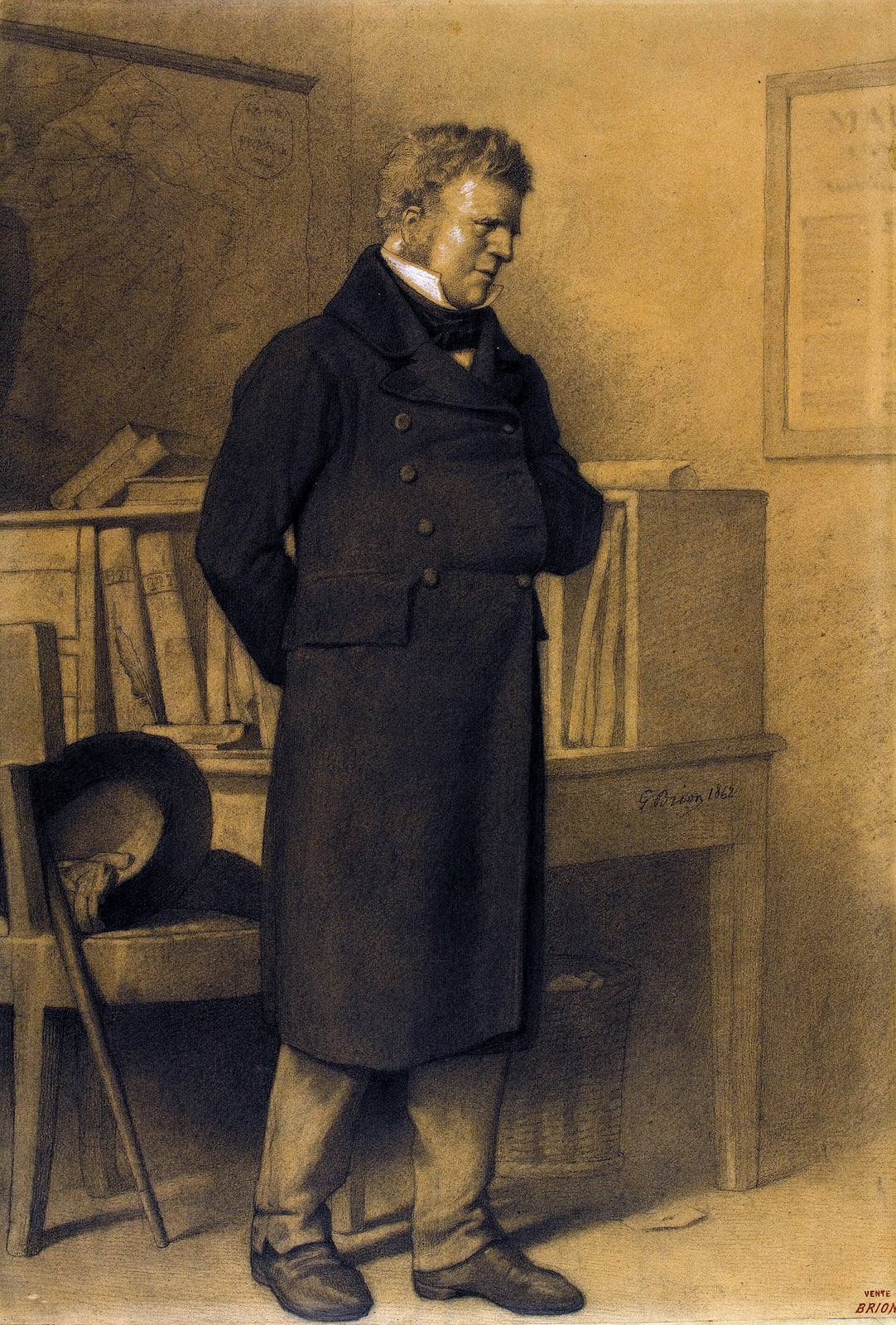
Les Misérables Makes Poverty a Public Question
Victor Hugo’s novel followed a former convict through decades of French history.
On 31 March 1862, the initial volumes of Victor Hugo's epic novel Les Misérables were published in Brussels, followed days later by their appearance in Paris. By the mid-nineteenth century, Hugo was already recognized as one of France's leading literary figures, and he was living in exile on Guernsey when the book appeared. The sprawling text, divided into five parts and hundreds of brief chapters, quickly captured broad attention across Europe, even as its uncompromising portrayal of societal distress provoked sharp reactions.
Rather than inventing a purely fictional world, Hugo drew heavily on direct observation and factual records accumulated over decades. He drafted an early version, titled Les Misères, between 1845 and 1848, then set it aside until April 1860, when he resumed work in exile at Hauteville House on Guernsey. In February 1846, a few months into the writing, he saw a thin young man being led away by police for stealing a loaf of bread, a scene he later wrote had made the man seem to him the specter of poverty itself.

Keep reading in Yester
Coming soon to the App Store
Keep following the story
Sources
- Les Misérables, novel by Hugo (Encyclopaedia Britannica)
- A Writer's House: Hauteville House (Maisons de Victor Hugo, Paris Musées)
- Victor Hugo finished Les Misérables in Waterloo? (Focus on Belgium, Belgian Federal Government)
- Let Them Eat Bread: The Theft That Helped Inspire Les Misérables (NPR)
- Charles Walton: The Missing Half of Les Mis (History News Network)
- Les Misérables by Victor Hugo, trans. Isabel F. Hapgood (Project Gutenberg)
- Les Misérables
Image: Gustave Brion