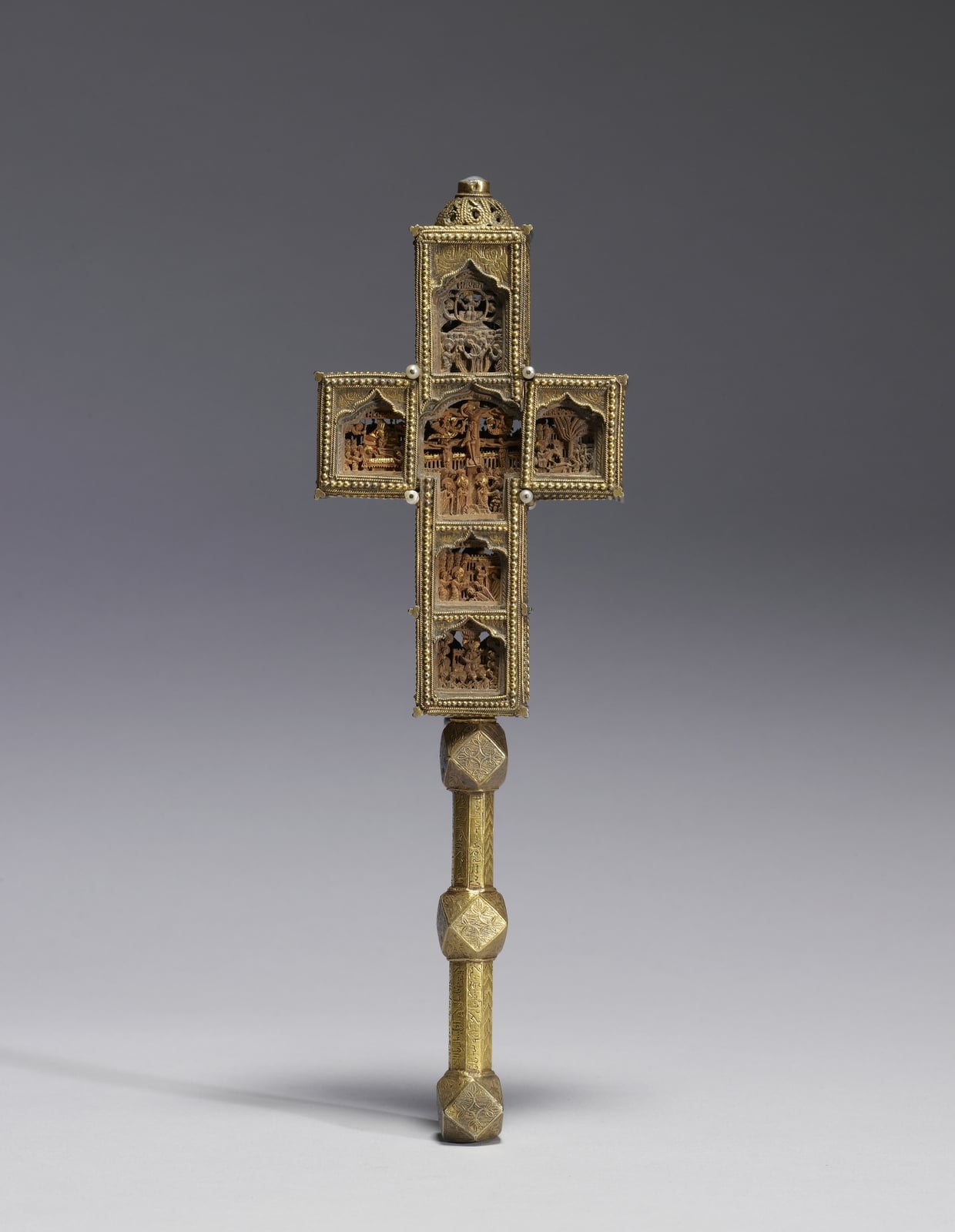
Saint Nino Brings Christianity to Georgia’s Iberia
King Mirian III made it the state religion of his kingdom in the Caucasus.
During the early fourth century, the ancient kingdom of Kartli, recognized as Iberia in Greco-Roman writings, adopted Christianity as its official religion. While later ecclesiastical tradition traced the kingdom's earliest Christian roots to the Apostle Andrew, third-century burials across the region already contained artifacts marked with crosses and fish symbols. These archaeological findings indicate that Christianity had begun circulating among local elites well before any royal decree took place.
The formal conversion of the Iberian monarchy centered on the preaching of Nino, a Cappadocian woman whom classical Roman historians described as a captive. According to Georgian historical narratives, Nino traveled to the capital city of Mtskheta and achieved renown by successfully curing Queen Nana of an acute sickness. Nana subsequently embraced the new faith, though her husband, King Mirian III, initially resisted adopting his wife's religion.

Keep reading in Yester
Coming soon to the App Store
Keep following the story

Sources
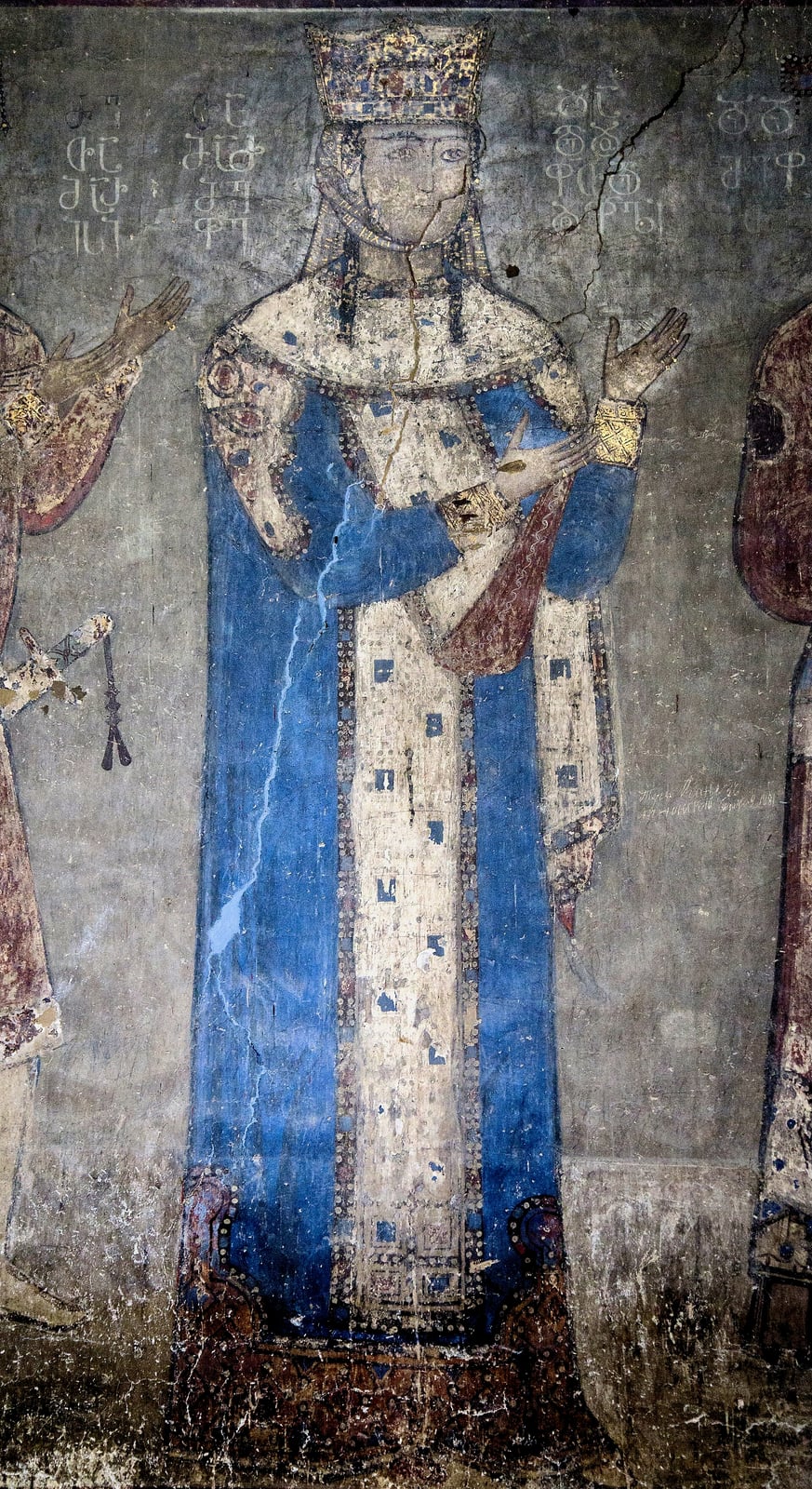
Image: Georgian Anonymous (Greek artist) Unknown author Patriarch Domenti IV (Georgian, died 1741)