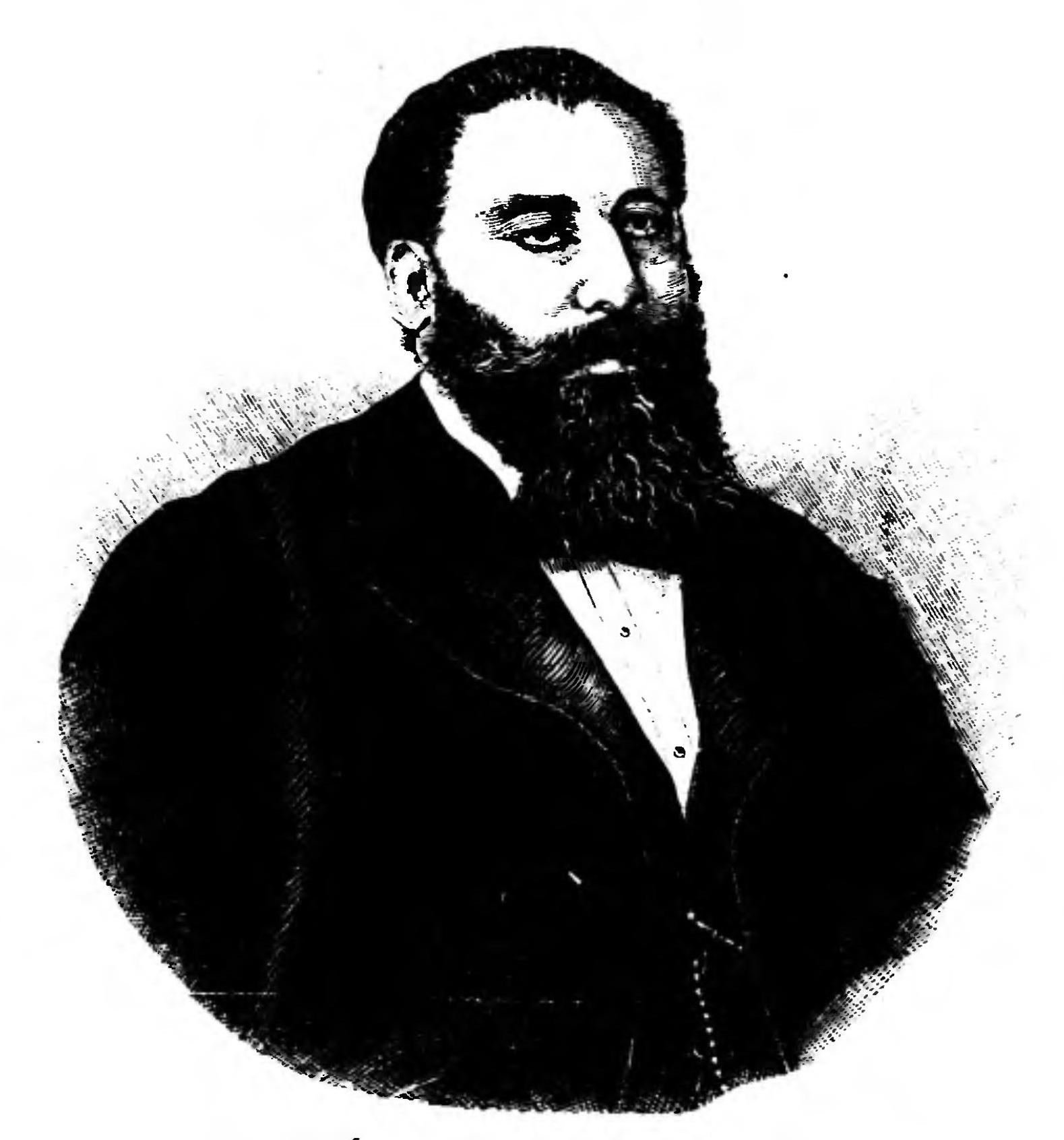
Martín Fierro Gives a Gaucho a Political Voice
A verse narrative turned conscription, rural displacement and frontier violence into a lasting national argument.
In 1872, the Argentine writer José Hernández published El Gaucho Martín Fierro, an epic verse work confronting the compulsory military recruitment and frontier hardships endured by rural laborers. Gauchos had played an acknowledged part in Argentina's historical struggles for independence from Spain, but the subsequent decades of state consolidation brought severe pressures to the pampas. Drawing upon his own background serving alongside gauchos in regular army brigades during civil conflicts and frontier campaigns, Hernández crafted a 2,316-line poem that linked these historical sacrifices with contemporary social grievances.
The narrative opens with Martín Fierro being forcibly drafted into an army border fort to defend against indigenous populations. Experiencing severe mistreatment rather than romantic adventure, Fierro eventually deserts, only to discover that his homestead, farm, and family have vanished during his absence. This devastation drives him toward outlawry. In an encounter at a rural tavern, he deliberately provokes an affair of honor by insulting a Black woman, culminating in a fatal knife duel with her companion. As a fugitive pursued by state forces, he engages the police militia until Sergeant Cruz, stirred by Fierro's courage, defects to fight at his side, prompting both men to seek refuge beyond the frontier.

Keep reading in Yester
Coming soon to the App Store
Keep following the story
Sources
Image: José Hernández