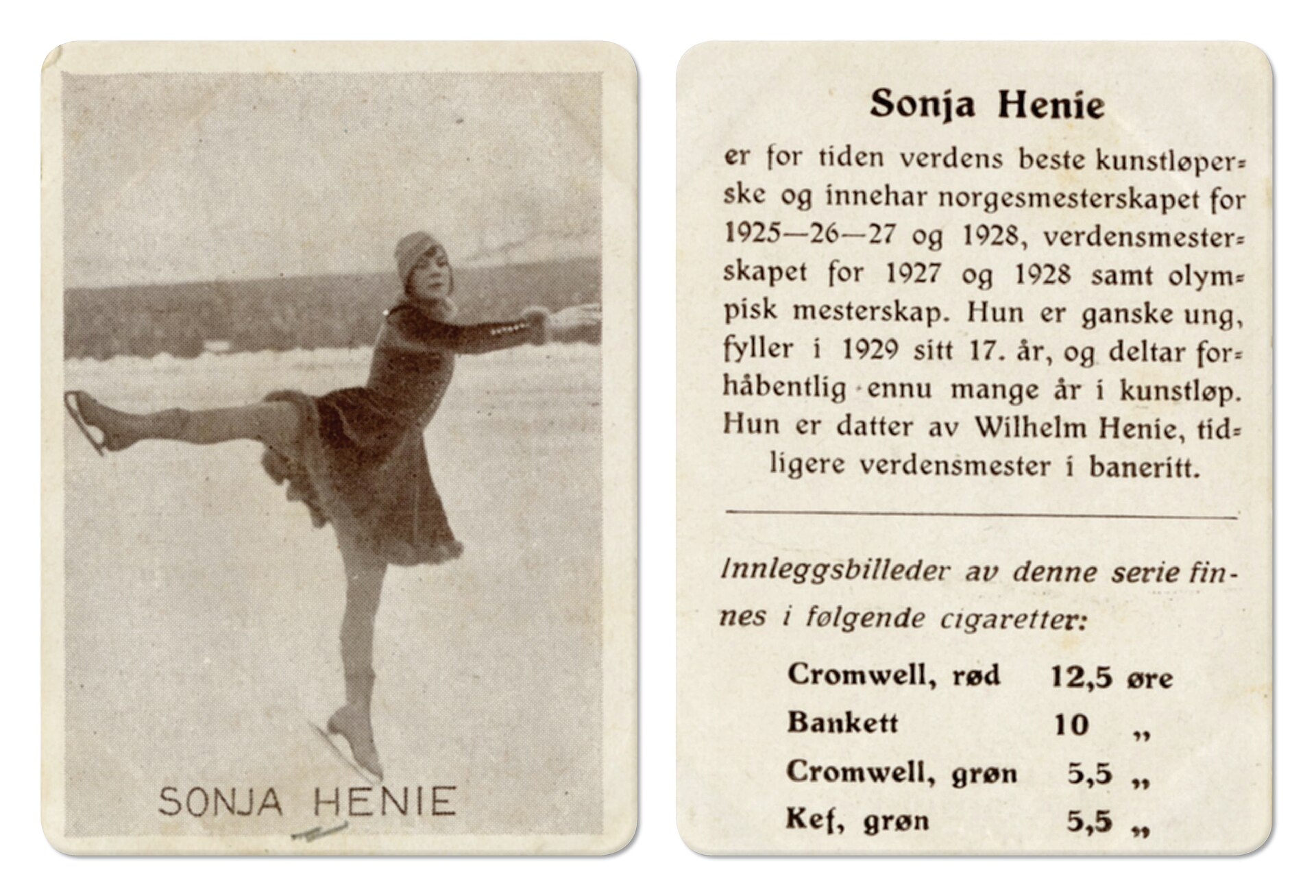
Sonja Henie Changes the Presentation of Figure Skating
Olympic success helped turn an athletic discipline toward new standards of choreography, costume and spectacle.
In February 1928, at the Winter Games held in St. Moritz, fifteen-year-old Norwegian skater Sonja Henie secured her first Olympic gold medal in ladies' singles figure skating. Her triumph followed an eleventh-place debut at the 1924 Games and her first World Championship victory in 1927. The 1928 victory established Henie as one of the youngest champions in the history of the event, launching an unprecedented era of competitive dominance that reshaped how figure skating was staged, perceived, and commercialized internationally.
Henie's family background provided crucial resources for her competitive trajectory. Born in Kristiania to a wealthy furrier and former world cycling champion, she ended her formal schooling early to focus entirely on athletics under private tutors. Her father hired prominent international instructors, including Russian ballerina Tamara Karsavina, to develop her technique and public presence. Drawing inspiration from ballet dancer Anna Pavlova, Henie introduced dance choreography into her routines, matching the placement of spins and jumps to the emotional rhythm of the music.

Keep reading in Yester
Coming soon to the App Store
Keep following the story
Sources
Image: Municipal Archives of Trondheim from Trondheim, Norway