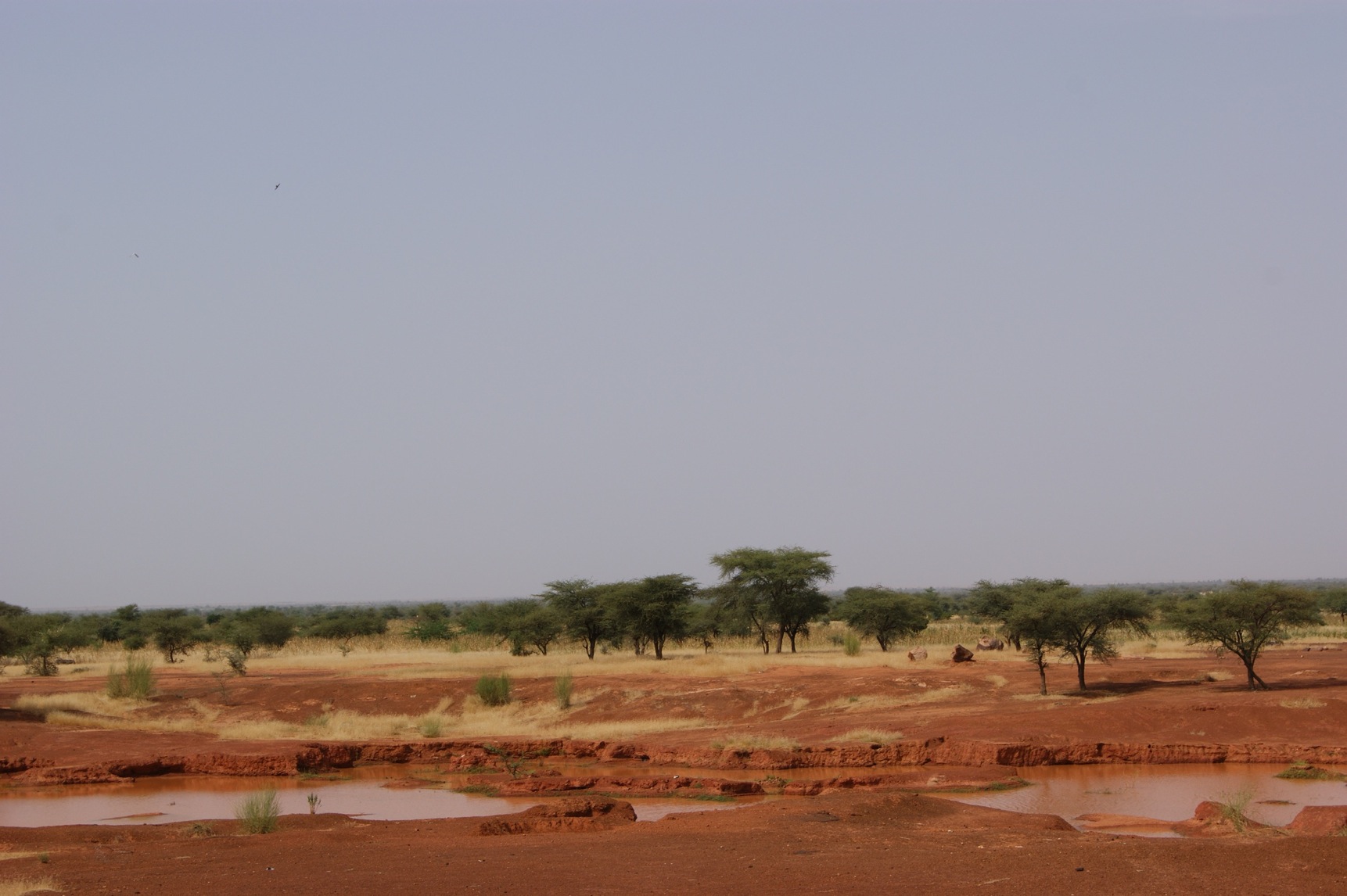
Africa Launches a Great Green Wall Against the Desert
The African Union backed a belt of restored land meant to stretch across the Sahel.
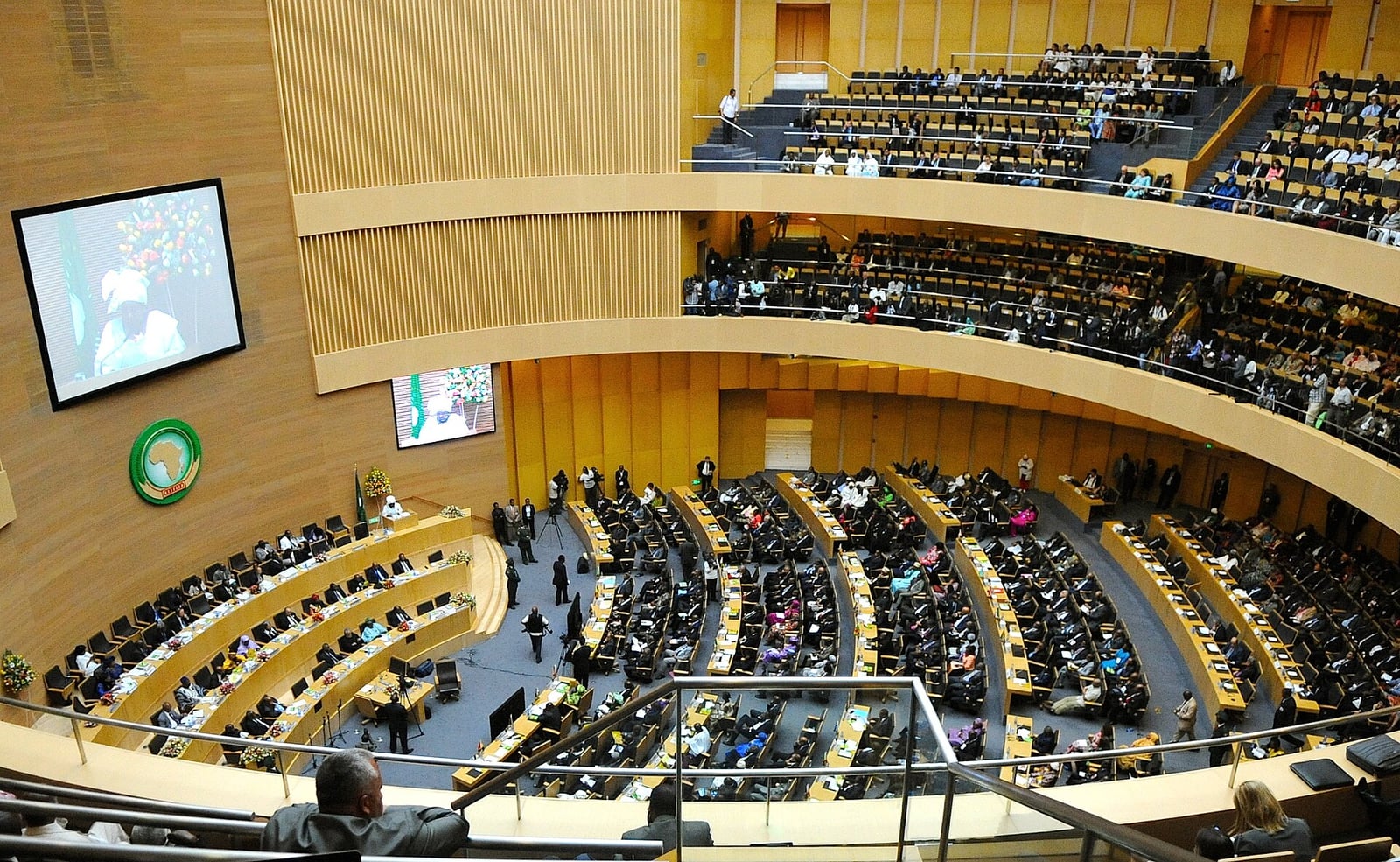
In 2007, heads of state gathering under the auspices of the African Union formally endorsed an ambitious environmental undertaking known as the Great Green Wall for the Sahara and the Sahel Initiative. The concept had roots reaching back several decades, including a 1950s proposal by British forester Richard St. Barbe Baker for a tree buffer across the desert fringe. The idea resurfaced at regional summits in the early 2000s and gained institutional backing from the Community of Sahel-Saharan States before the wider pan-African body embraced it. As originally envisioned, the initiative sought to erect a contiguous botanical barrier stretching over seven thousand kilometres from Dakar on the Atlantic coast to Djibouti City on the Red Sea, measuring fifteen kilometres in width.
The underlying motivation was to counter severe desertification, land degradation, and recurring drought that threatened the rural economies of the Sahel. Over time, planners adjusted the initial scheme of a simple linear wall of planted trees. Drawing insights from earlier afforestation programs such as the Algerian Green Dam and the Green Wall of China, organizers broadened the project into a multifaceted rural development framework. Instead of a uniform forest belt, the design shifted toward an interconnected mosaic of productive lands, water harvesting infrastructure, the protection of existing vegetation, and the revitalisation of traditional land-management systems across North and West Africa.

Keep reading in Yester
Coming soon to the App Store
Keep following the story

Sources
Image: Annabel Symington