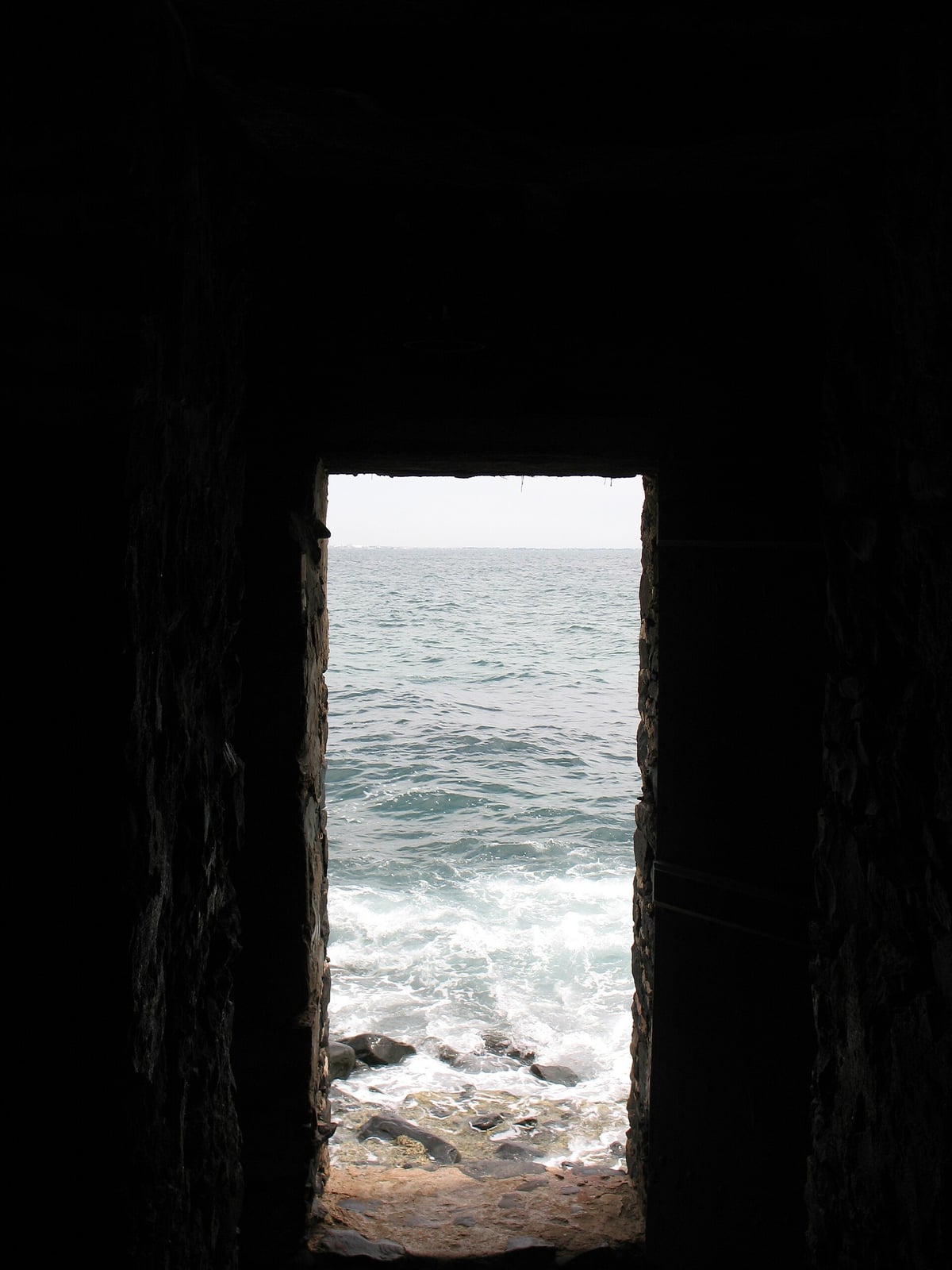
Gorée Island Becomes a Symbol of the Atlantic Slave Trade
A small island off Dakar is now a memorial to the trade in captives.
Sheltered by the Cap-Vert peninsula off the coast of Senegal, Gorée is a small island lying about three and a half kilometres from Dakar that became one of the earliest West African contact points for European maritime commerce. Pre-colonial archaeological deposits show that while the landmass saw seasonal or ritual use marked by decorated pottery and abundant fish remains, it lacked permanent inhabitants and fresh water prior to European arrival. Portuguese sailors reached the island in the fifteenth century and used it as a stopover. By the seventeenth century, European powers contested the tiny outpost for its sheltered roadstead, which provided a strategic transshipment base giving access to rivers and coastal markets to the south.
Control of the island shifted repeatedly among rival maritime empires. After Portuguese dominance waned, the Dutch West India Company occupied Gorée in the early seventeenth century, building fortifications to secure their regional commerce. The French navy seized the island in 1677 during the Franco-Dutch War, establishing an administrative connection to Saint-Louis to the north. Although British forces captured Gorée during the Seven Years' War, held it again from 1779 to 1783, and occupied it once more during the Napoleonic conflicts, the post remained predominantly under French authority until Senegalese independence in the twentieth century.

Keep reading in Yester
Coming soon to the App Store
Keep following the story
Sources
- Island of Gorée, World Heritage List (UNESCO World Heritage Centre)
- Island of Goree (Royal Museums Greenwich)
- Old Slave Trade to Americas May Not Have Started Here (Christian Science Monitor, 1997)
- The Myth of Goree Island, reprinting John Murphy, Baltimore Sun, 2004 (History News Network)
- Capture and Captives (Slavery and Remembrance, Colonial Williamsburg Foundation and UNESCO)
- Secrets of the deep: Senegal's slave shipwreck detective (AFP via The Citizen, 2017)
- Gorée
Image: Manuel FLURY