The First Vaccine Against Cervical Cancer Is Approved
A vaccine against human papillomavirus aimed to prevent a common cancer.
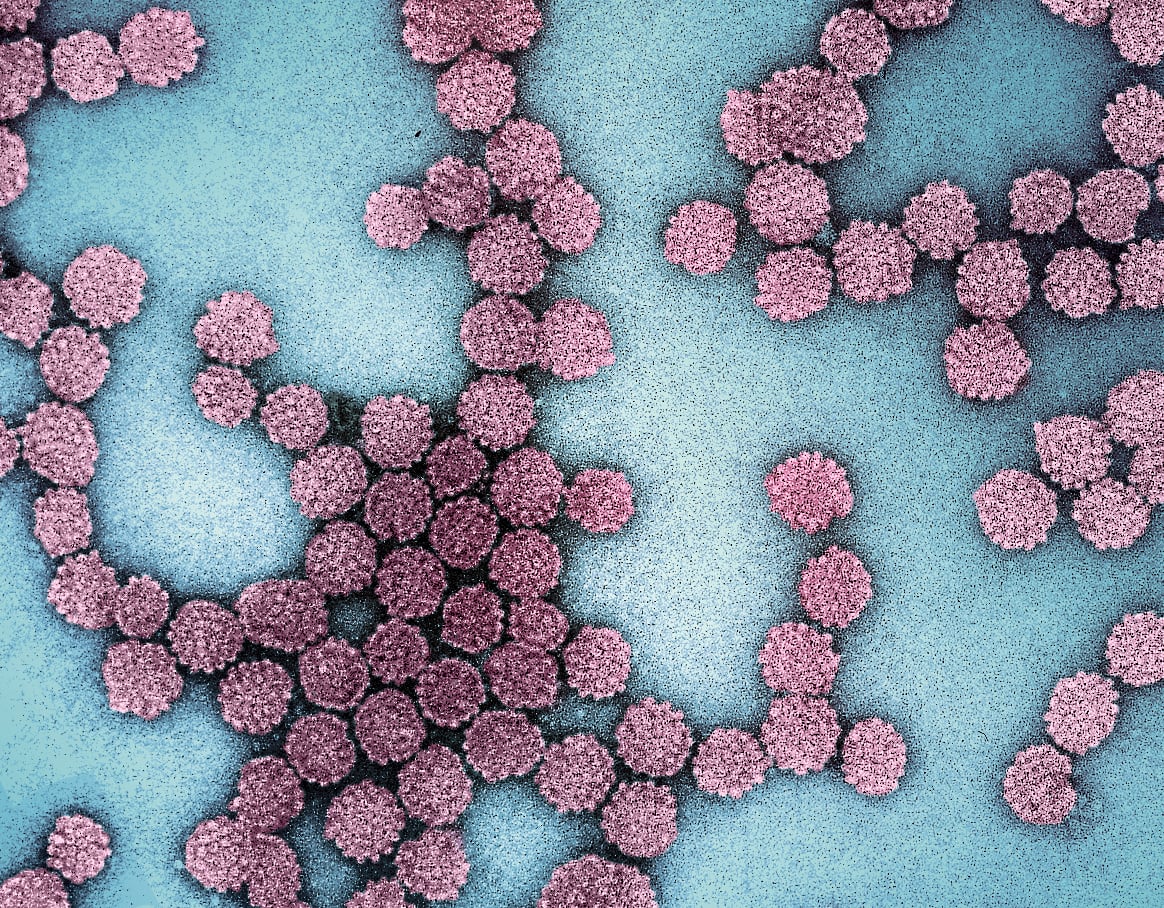
In 2006, the first preventive vaccine targeting human papillomavirus became commercially available, marking a milestone in oncology and public health. Designed to generate acquired immunity against specific strains of the virus, the vaccine targeted the primary viral triggers of cervical cancer. About 95 percent of cervical cancers are caused by persistent HPV infections, with viral types 16 and 18 together responsible for approximately 70 percent of cases worldwide. By employing hollow virus-like particles assembled from recombinant viral coat proteins, the formulations trained the immune system without using live viral genetic material.
The initial product, a quadrivalent vaccine sold as Gardasil, protected against high-risk types 16 and 18, along with types 6 and 11, which cause anogenital warts. A bivalent vaccine known as Cervarix joined the field shortly thereafter, focusing strictly on types 16 and 18, while a later nonavalent version, Gardasil 9, expanded protection to five additional high-risk types: 31, 33, 45, 52, and 58. Clinical trials demonstrated high efficacy in preventing precancerous lesions, and the quadrivalent and nonavalent formulations offered virtually complete defense against genital warts caused by their targeted strains.

Keep reading in Yester
Coming soon to the App Store
Keep following the story
Sources
- Cervical cancer fact sheet (World Health Organization)
- Human papillomavirus and cancer fact sheet (World Health Organization)
- HPV Vaccine fact sheet (National Cancer Institute)
- IZ Express Issue 604: FDA approves Gardasil (Immunize.org, reprinting FDA release of 8 June 2006)
- One-dose HPV vaccine offers solid protection against cervical cancer (World Health Organization)
- Immunization coverage fact sheet (World Health Organization)
- Global estimates of incidence and mortality of cervical cancer in 2020, Singh et al., Lancet Global Health (PMC)
- HPV vaccine
Image: NIAID