Black Loyalists Sail from Nova Scotia to Found Freetown
About 1,200 people freed during the American Revolution settled in Sierra Leone.
During the American Revolutionary War, thousands of enslaved people escaped to British lines to secure their freedom. Following the British defeat, the Crown relocated many of these Black Loyalists to Nova Scotia. Life in British North America proved difficult, marked by harsh winters, pervasive racial discrimination, and land grants that arrived slowly or not at all. Seeking relief, Thomas Peters, a former member of the Black Pioneers, traveled to London to present the community's grievances. There he learned that the Sierra Leone Company was eager to sponsor a new settlement in West Africa, prompting British abolitionist Lieutenant John Clarkson to travel to Nova Scotia and organize volunteers for the voyage.
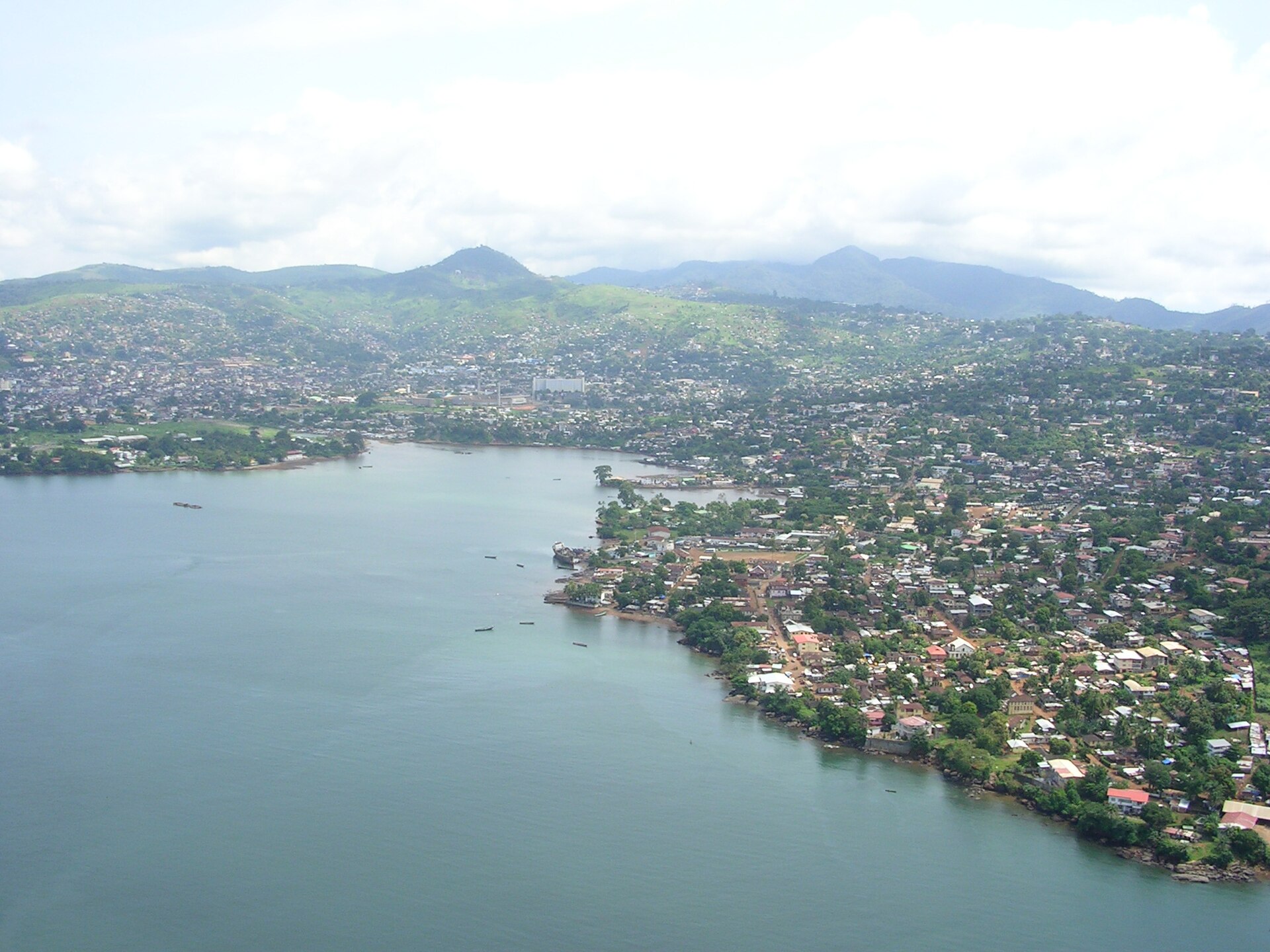
More than 1,100 formerly enslaved people chose to leave North America, embarking across the Atlantic in a convoy of fifteen ships. The journey was hazardous, claiming some sixty or more lives, and Clarkson fell gravely ill during the crossing. Between late February and March 9, 1792, the fleet reached St. George Bay on the Sierra Leone estuary. An earlier settlement established nearby in 1787 had collapsed and burned in 1789, leaving the waterfront overgrown with thick vegetation. Clarkson and several appointed leaders from among the settlers went ashore first to begin clearing a path through the undergrowth for the landing party.

Keep reading in Yester
Coming soon to the App Store
Keep following the story
Sources
Image: David Hond