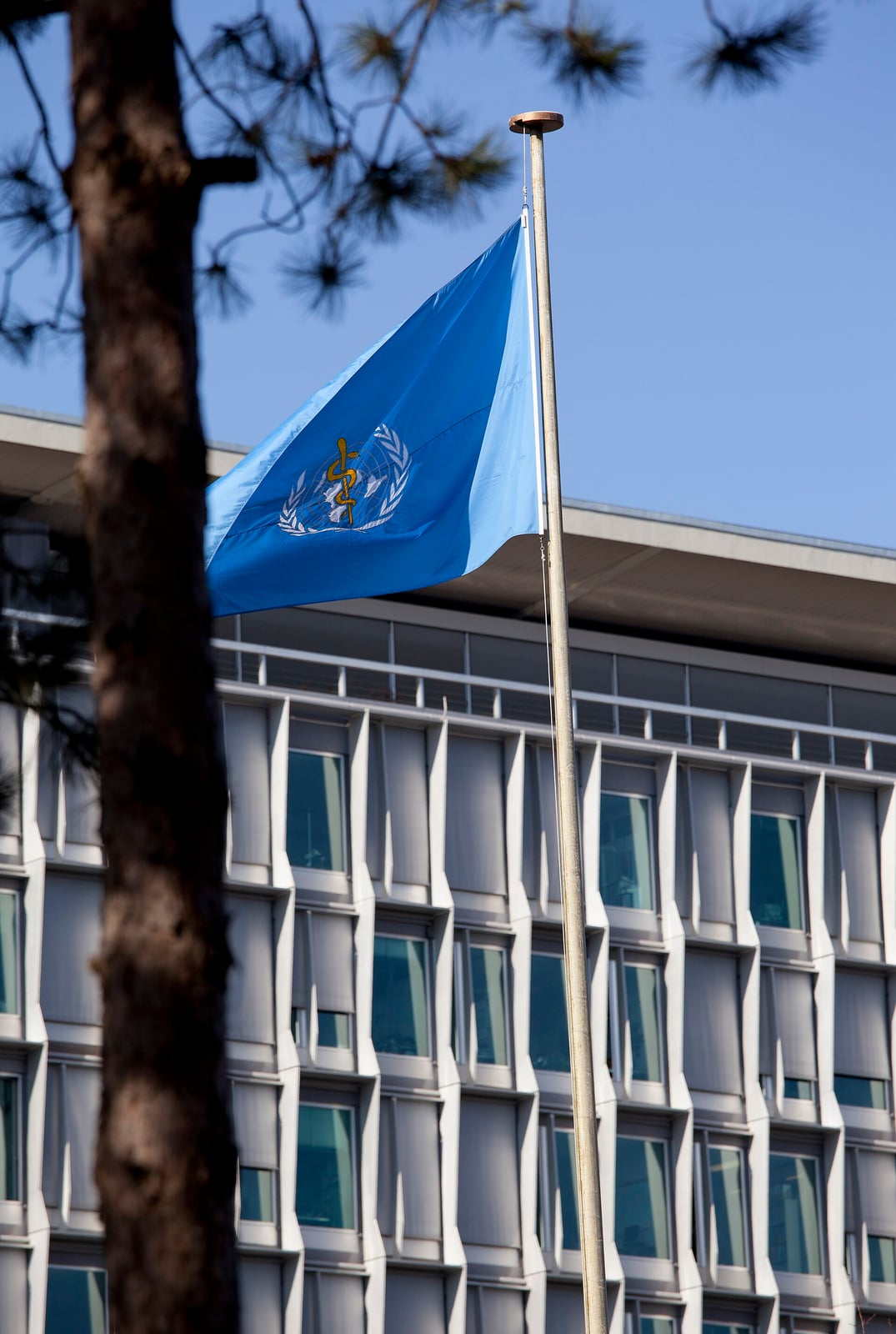
The First Global Health Treaty Takes Aim at Tobacco
Nations agreed to curb tobacco advertising, warn on packs and protect people from second-hand smoke.
On February 27, 2005, the World Health Organization Framework Convention on Tobacco Control officially entered into force, becoming the first international treaty negotiated under the auspices of the World Health Organization. Originally adopted by the fifty-sixth World Health Assembly in Geneva in May 2003 under Article 19 of the constitution of the World Health Organization, the treaty quickly drew broad global support. It established a universal baseline of standards governing tobacco taxation, advertising, distribution, and mandatory packaging warnings, obligating ratifying countries to enact strict domestic controls against the leading cause of preventable death worldwide.
The initiative grew out of earlier, non-binding health advocacy. During the 1980s and 1990s, legal scholars and public health figures such as Ruth Roemer, Allyn Taylor, and Judith Mackay urged the World Health Organization to use its formal treaty-making authority rather than relying on voluntary recommendations. While conventional international health efforts had focused almost exclusively on contagious illnesses, the cross-border nature of tobacco commerce demanded coordinated legal mechanisms. At the 1994 World Conference on Tobacco or Health in Paris, a formal framework convention proposal gained momentum, leading the World Health Assembly to request a feasibility study in 1995.

Keep reading in Yester
Coming soon to the App Store
Keep following the story


Sources
Image: United States Mission Geneva