A Satellite Finds an Invisible Earth
America’s first satellite did more than answer Sputnik. A puzzling instrument reading helped reveal the radiation belts surrounding Earth.
When Explorer 1 reached orbit on January 31, 1958, the United States finally had a satellite circling Earth. Sputnik had crossed that threshold for the Soviet Union four months earlier. The American launch answered an urgent political question about capability. But the small instrument traveling aboard Explorer would produce a discovery more lasting than the immediate contest over which country had managed to launch what.
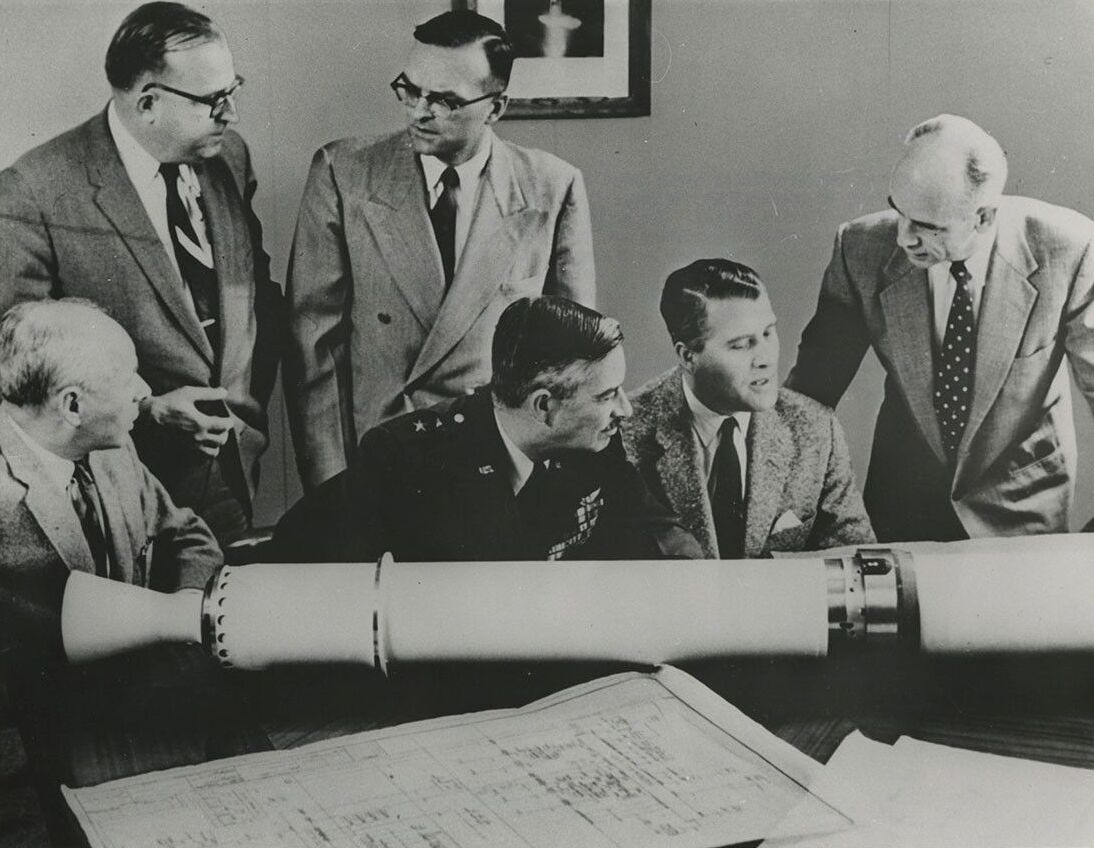
The satellite was carried by a Juno I rocket from Cape Canaveral. The Army Ballistic Missile Agency, the Jet Propulsion Laboratory and scientists led by James Van Allen contributed different pieces of the project. The spacecraft was narrow and relatively small. With little room for equipment, every instrument had to justify the space and mass it occupied. A detector for energetic particles became its most consequential passenger.

Keep reading in Yester
Coming soon to the App Store
Keep following the story
Sources
Image: James A. Van Allen Papers (RG 99.0142), University Archives, The University of Iowa Libraries