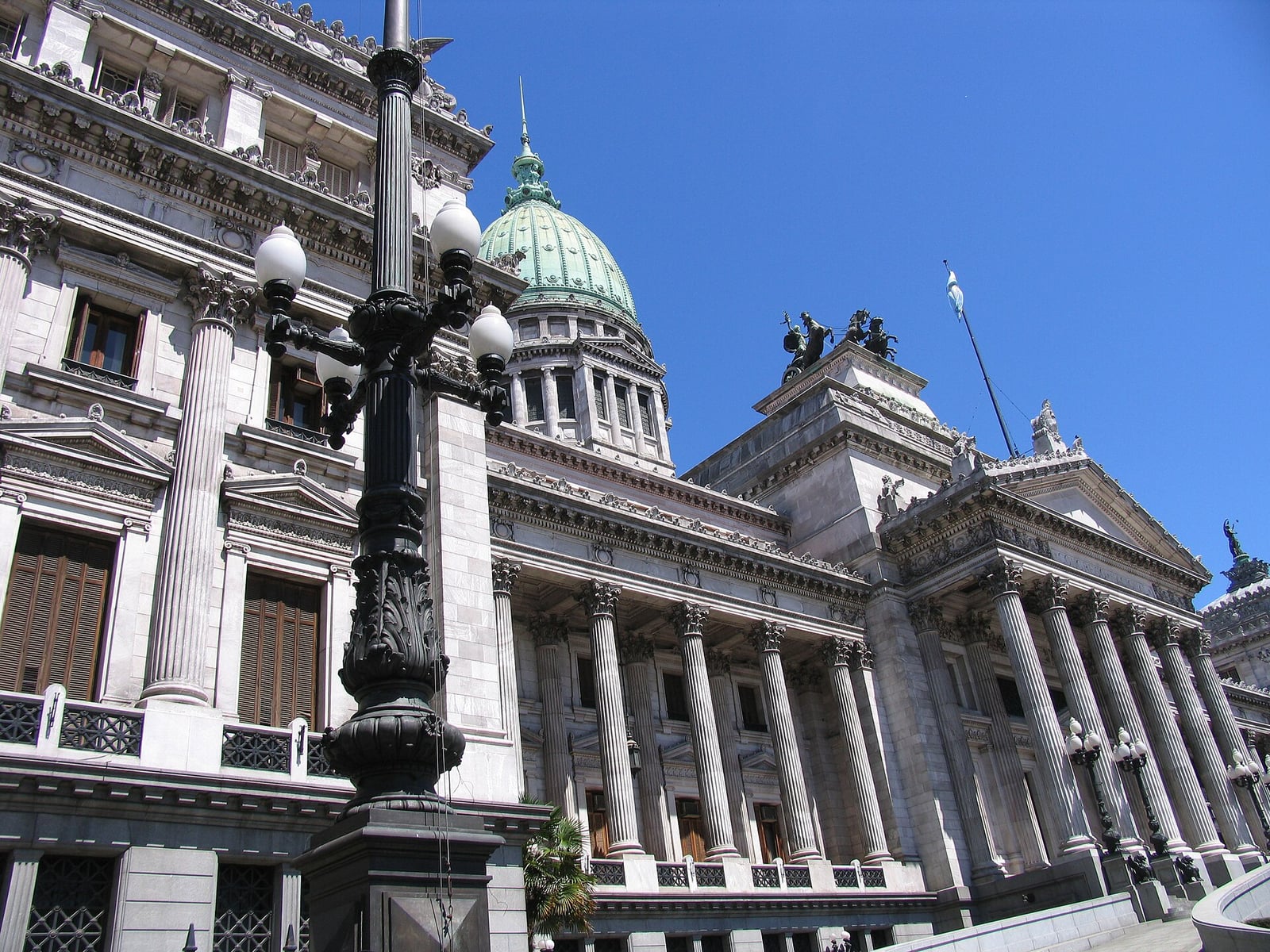
Argentine Women Win the Vote
Eva Perón campaigned for the law that let women vote in national elections.
In 1946, Juan Domingo Peron was elected president of Argentina with fifty-four percent of the vote, inaugurating an era that transformed Argentine political life. Beside him stood his wife, Eva Duarte de Peron, who had emerged from rural hardship in the Pampas and a successful career as a radio and stage performer to become one of the most visible public figures in South America. Among the central causes that defined her early years as first lady was the drive for women's suffrage, leading directly to the passage of national voting rights for Argentine women in 1947.
Eva had arrived in Buenos Aires in 1935 as a teenager, gradually gaining recognition across theatrical circuits and commercial radio broadcasts. By 1943, she was earning five to six thousand pesos a month with Radio Belgrano, where she portrayed prominent historical women. That period also saw her initial entry into public organizing as a co-founder of the Argentine Radio Syndicate. Her life shifted decisively in January 1944 when she attended a relief gala at Luna Park Stadium organized for the victims of the San Juan earthquake, where she first met Juan Peron, then serving as secretary of labor.

Keep reading in Yester
Coming soon to the App Store
Keep following the story

Sources
- Peron, Eva, by Maria Seoane (Portal de America Latina, Universidade de Sao Paulo)
- Eva Peron, del polvo al mito (El Espectador)
- Proyecto de ley 0911-D-2024, Dia de los Derechos de las Mujeres (Honorable Camara de Diputados de la Nacion Argentina)
- Proyecto de declaracion 3635-D-2021, aniversario de la Ley 13.010 (Honorable Camara de Diputados de la Nacion Argentina)
- Eva Perón
Image: Aastrup