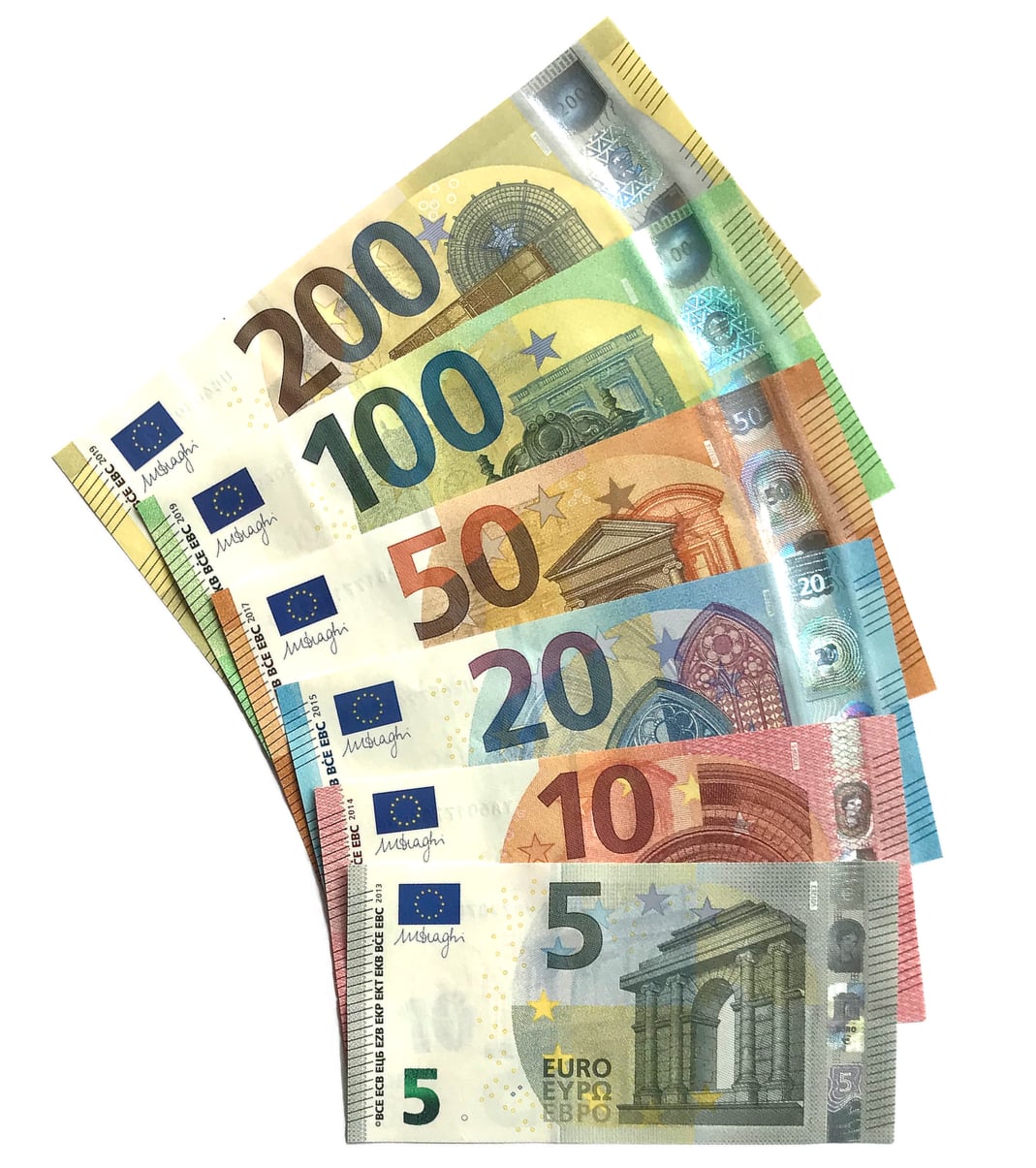
Euro Notes and Coins Enter Circulation
Twelve countries replaced their national currencies with a shared one.
On 1 January 2002, euro banknotes and coins entered physical circulation across twelve European Union member states. The currency itself had been launched three years earlier, on 1 January 1999. Between 1999 and 2002, however, the euro had operated strictly as a non-physical currency, restricted to electronic transfers, banking operations, and accounting balances. The introduction of tangible paper notes and metallic coins brought the project directly into ordinary daily commerce, initiating a rapid withdrawal of long-established national currencies.
The initial issuance of banknotes, designated as the first series or ES1, comprised seven denominations ranging from 5 euros up to 500 euros. Unlike the accompanying coinage, which allotted one face to national imagery determined by the issuing state, the banknotes carried a uniform appearance across every participating nation. The Council of the European Monetary Institute had selected the visual template in December 1996 through a design competition won by Robert Kalina of the Oesterreichische Nationalbank. The competition rules required the designs to avoid national bias, and the notes depict no actual existing monuments or bridges.

Keep reading in Yester
Coming soon to the App Store
Keep following the story


Sources
- Our money (European Central Bank)
- Opening of the Euro Banknote Design Exhibition, speech of 11 August 2004 (European Central Bank)
- Design elements (European Central Bank)
- Quick guide to the security features of euro banknotes (European Central Bank)
- ECB ends production and issuance of 500 euro banknote (European Central Bank)
- Euro banknotes
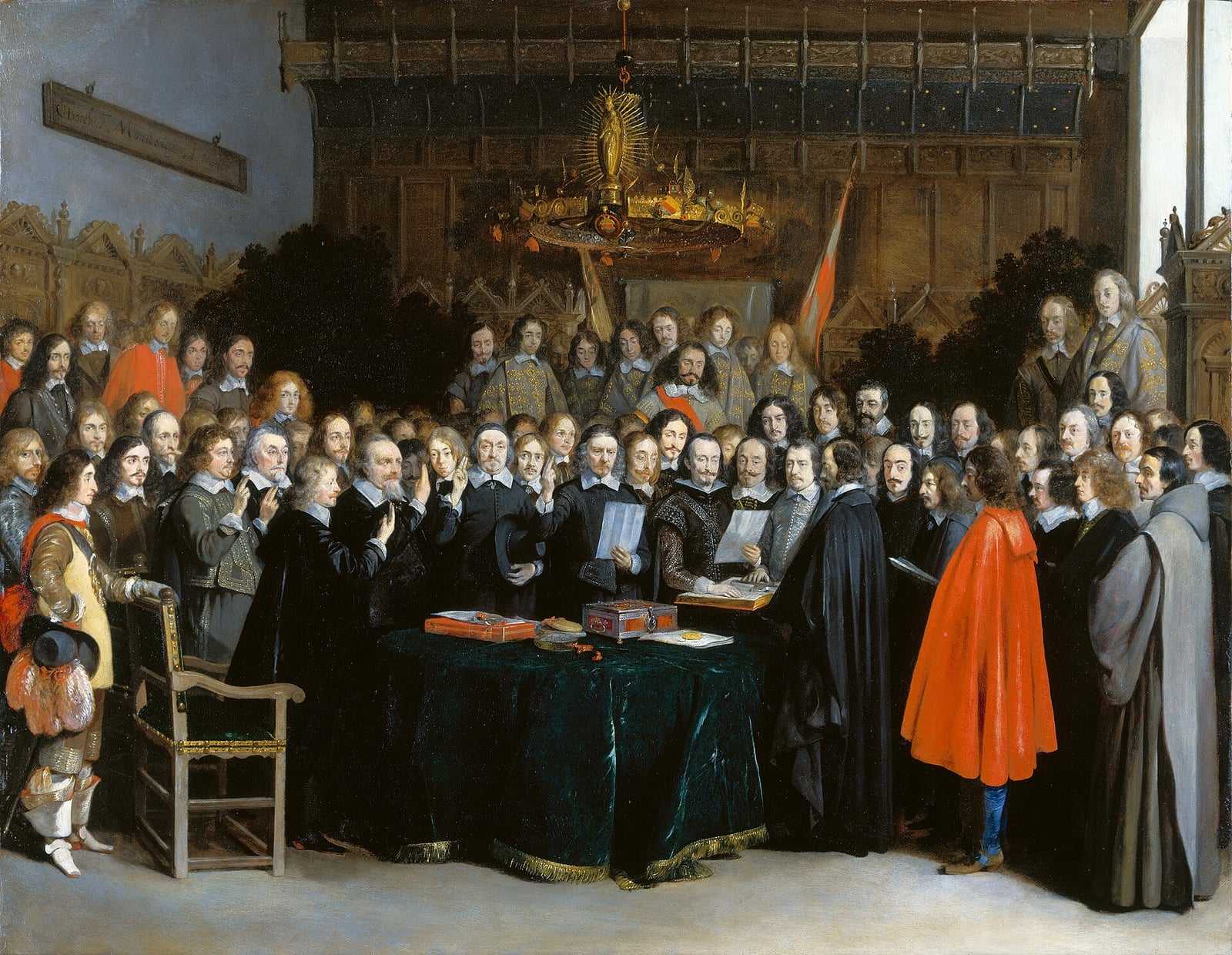
Image: Bericht