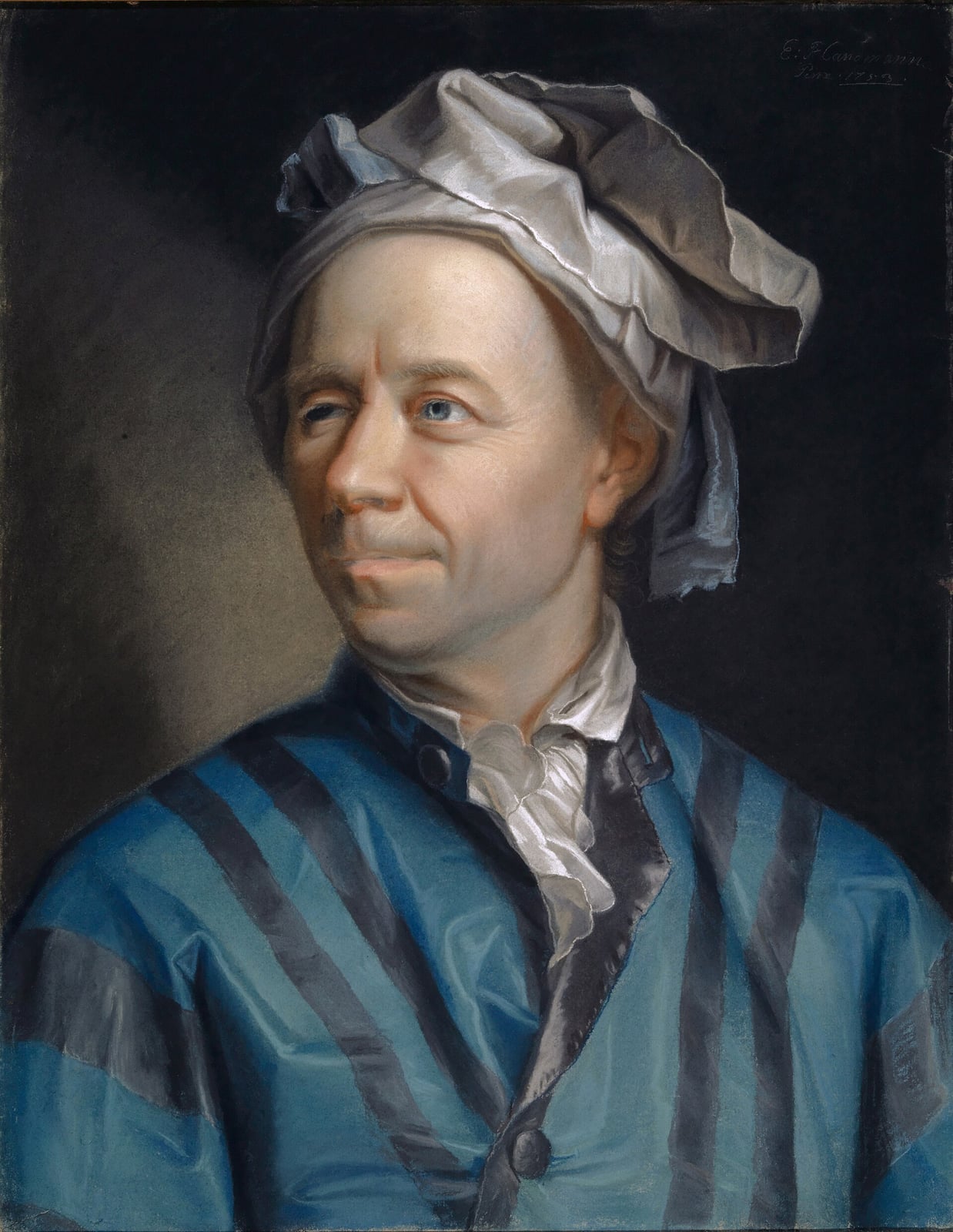
Euler Solves the Seven Bridges of Königsberg
A puzzle about a city’s bridges gave rise to graph theory.
During his first period in Saint Petersburg, Leonhard Euler directed his attention toward a practical dilemma that arose from the geography of Prussia. The city of Königsberg, situated along the Pregel River, encompassed two substantial islands linked to each other and to the opposite mainland banks by seven structures. Local residents had long questioned whether a traveler could plot a single uninterrupted walking route that crossed each bridge exactly once without retracing any crossing. The problem appeared straightforward, yet empirical attempts repeatedly failed to produce a valid sequence.
Euler approached the challenge not by measuring distances, calculating transit times, or drafting detailed maps, but by stripping away all physical dimensions. He understood that neither the size of the islands nor the actual lengths of the bridges had any bearing on the puzzle. Instead, the only essential information lay in the connections between distinct landmasses. By isolating the relative links between land zones, Euler transformed a local urban conundrum into an inquiry about geometric structure.

Keep reading in Yester
Coming soon to the App Store
Keep following the story
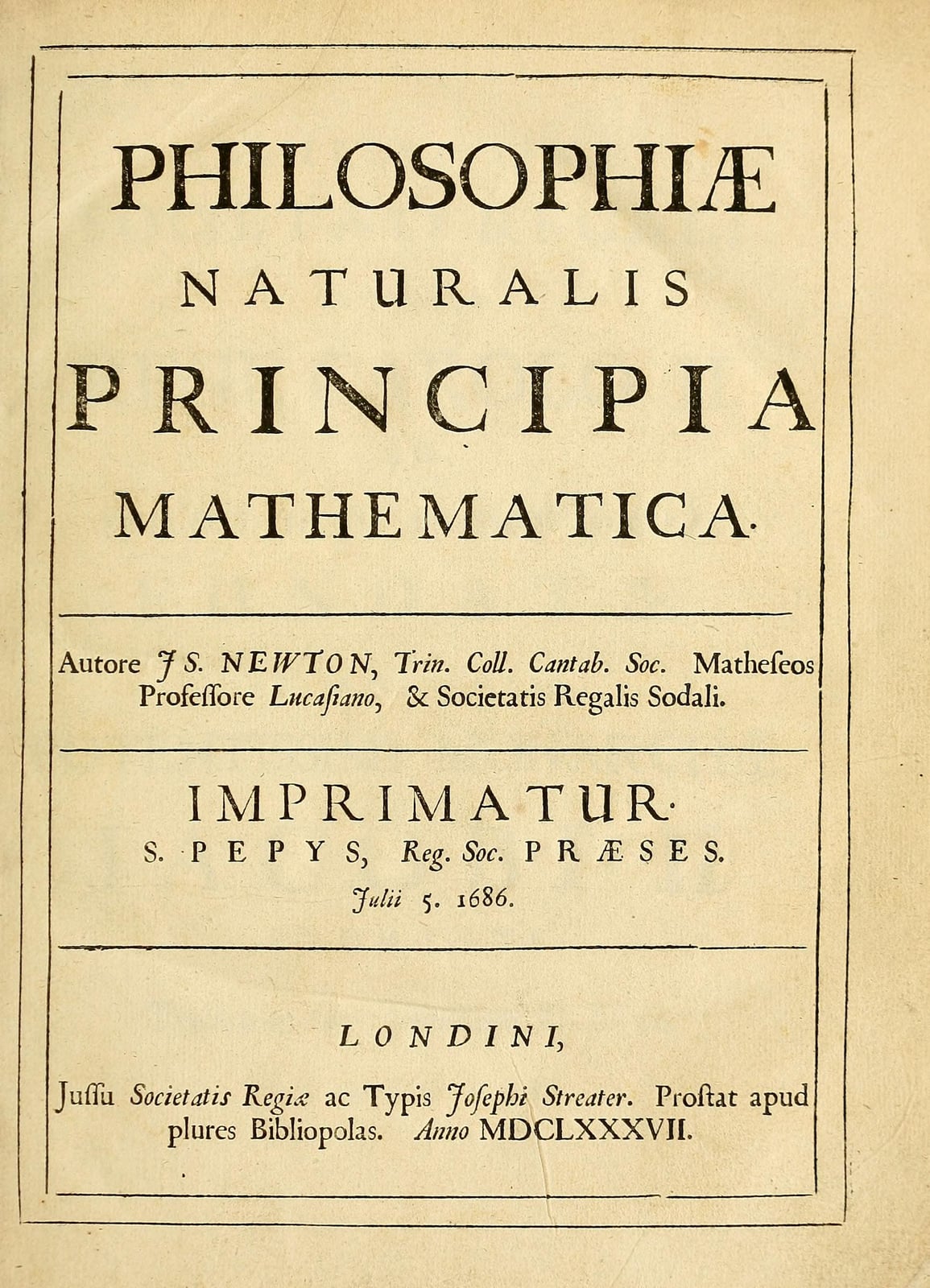
Sources
Image: Jakob Emanuel Handmann