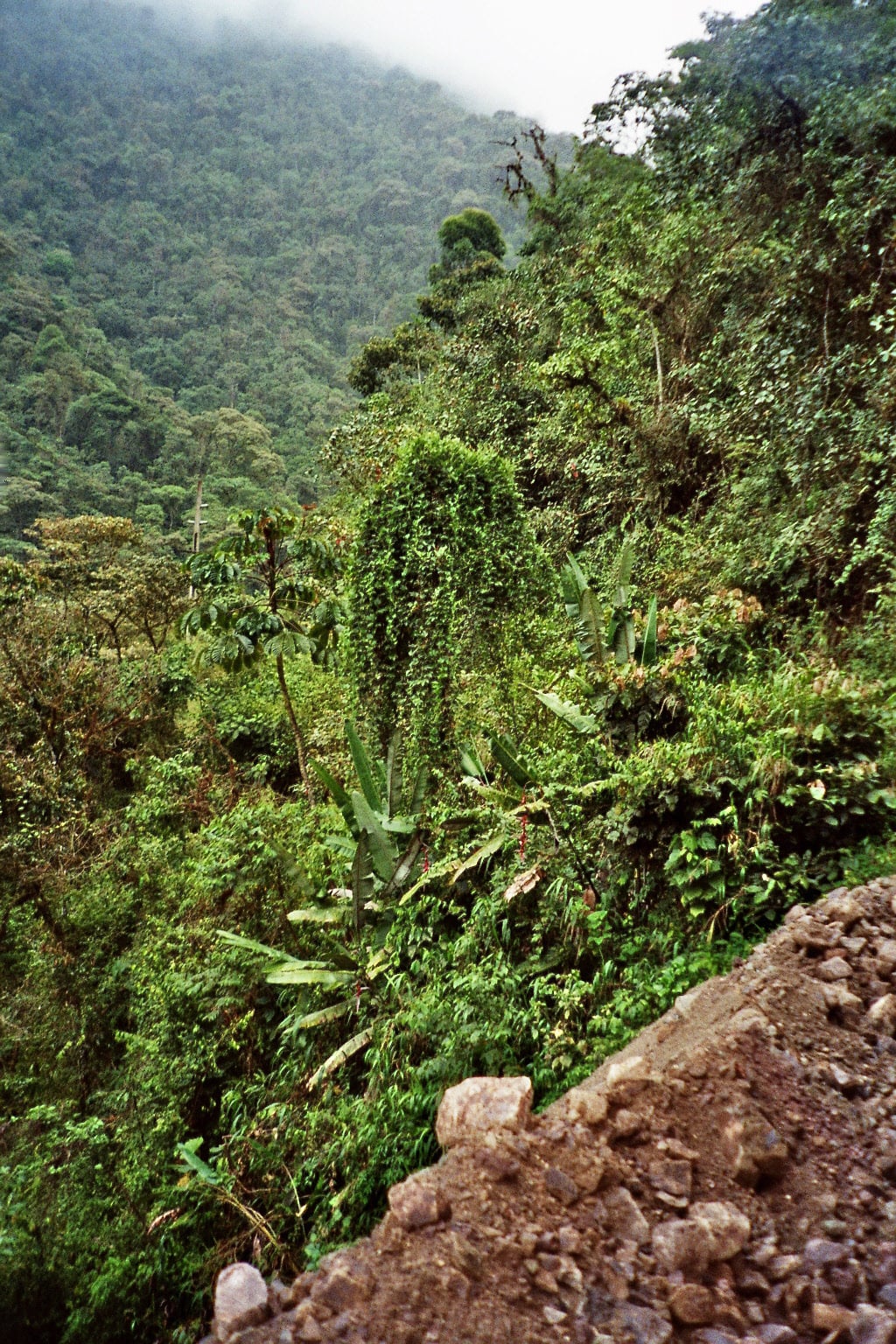
Ecuador Writes the Rights of Nature into Its Constitution
Voters approved a charter giving nature, or Pacha Mama, rights that can be defended in court.
In 2008, Ecuadorian voters approved a new constitution, drafted at Montecristi, that recognized the rights of nature, marking a prominent constitutional development for the legal theory known as Earth rights. The change responded to growing arguments that existing legal frameworks treated the natural world merely as property or an economic resource to be owned, exploited, and degraded. Rather than treating ecosystems as fragmented commodities, the newly adopted charter affirmed respect for Pachamama, an Indigenous Andean term embodying both the physical and spiritual aspects of the natural realm.
The intellectual roots of Earth rights combine contemporary scientific theory with older philosophical traditions. Early statutory frameworks from the 1960s and 1970s generally reflected a reductionist perspective, managing air, water, and wildlife in isolated pieces. During the 1970s and 1980s, the emergence of the Gaia hypothesis and holistic ecological science began describing the natural world as an interconnected, self-regulating system. Legal advocates argued that statutory law should reflect this scientific reality by treating the Earth not as a collection of objects, but as a community of rights-bearing subjects.

Keep reading in Yester
Coming soon to the App Store
Keep following the story


Sources
Image: Ayacop