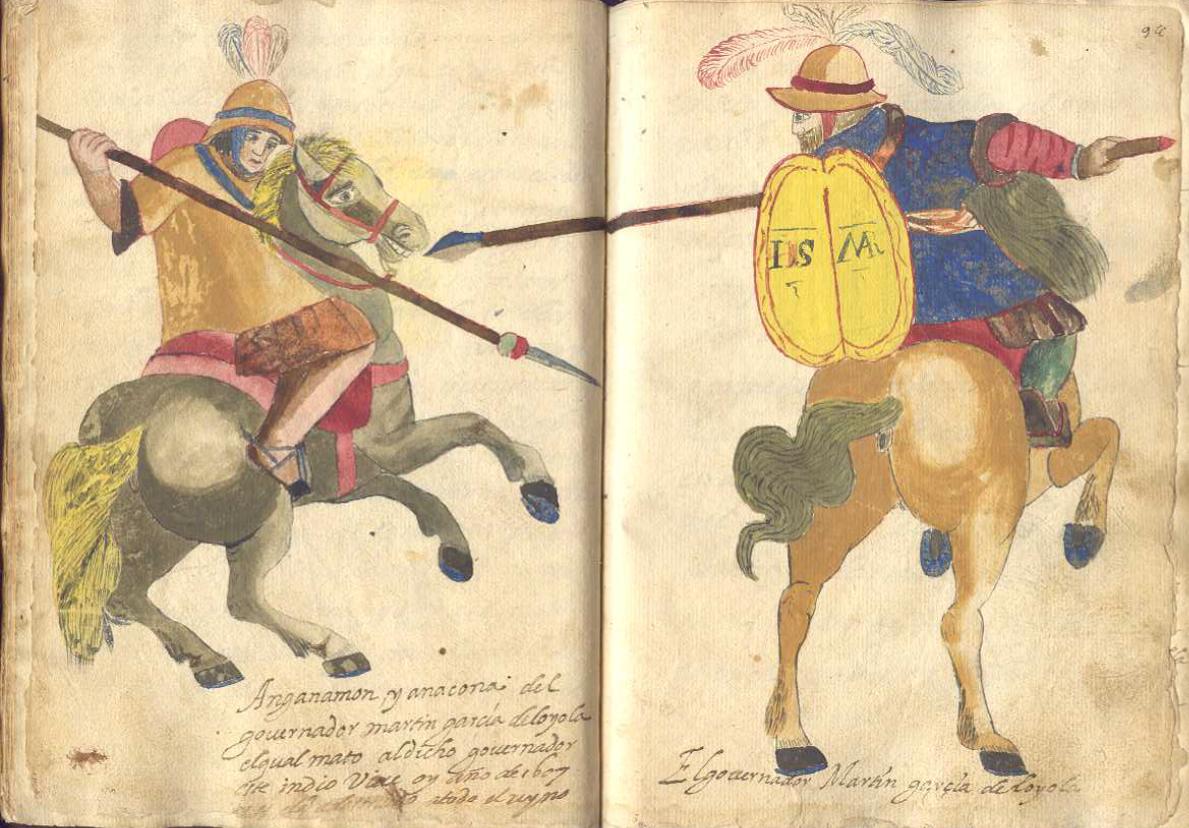
Mapuche Forces Win at Curalaba
A victory halted Spanish expansion south of the Biobío.
In 1598, an armed encounter at Curalaba in southern Chile dramatically altered the balance of power between the Spanish Empire and the indigenous Mapuche population. The confrontation took place in the context of the Arauco War, a long conflict whose most intense phase historians date from about 1550 to 1656. For decades, the Spanish had attempted to expand their administrative control southward, establishing settlements and military outposts across the region. However, their advance encountered sustained resistance, and rapid expansion had largely stalled as early as the 1550s.
The prolonged conflict placed heavy demands on both sides. Introduced European diseases, forced labor and the disruption of traditional ways of life drastically reduced indigenous numbers across Chile, which Chile's National Library puts at around one million people before the conquest. Heavy military engagements, including the Battle of Andalién in 1550, demonstrated the steep costs of confronting Spanish forces through pitched, conventional warfare.

Keep reading in Yester
Coming soon to the App Store
Keep following the story
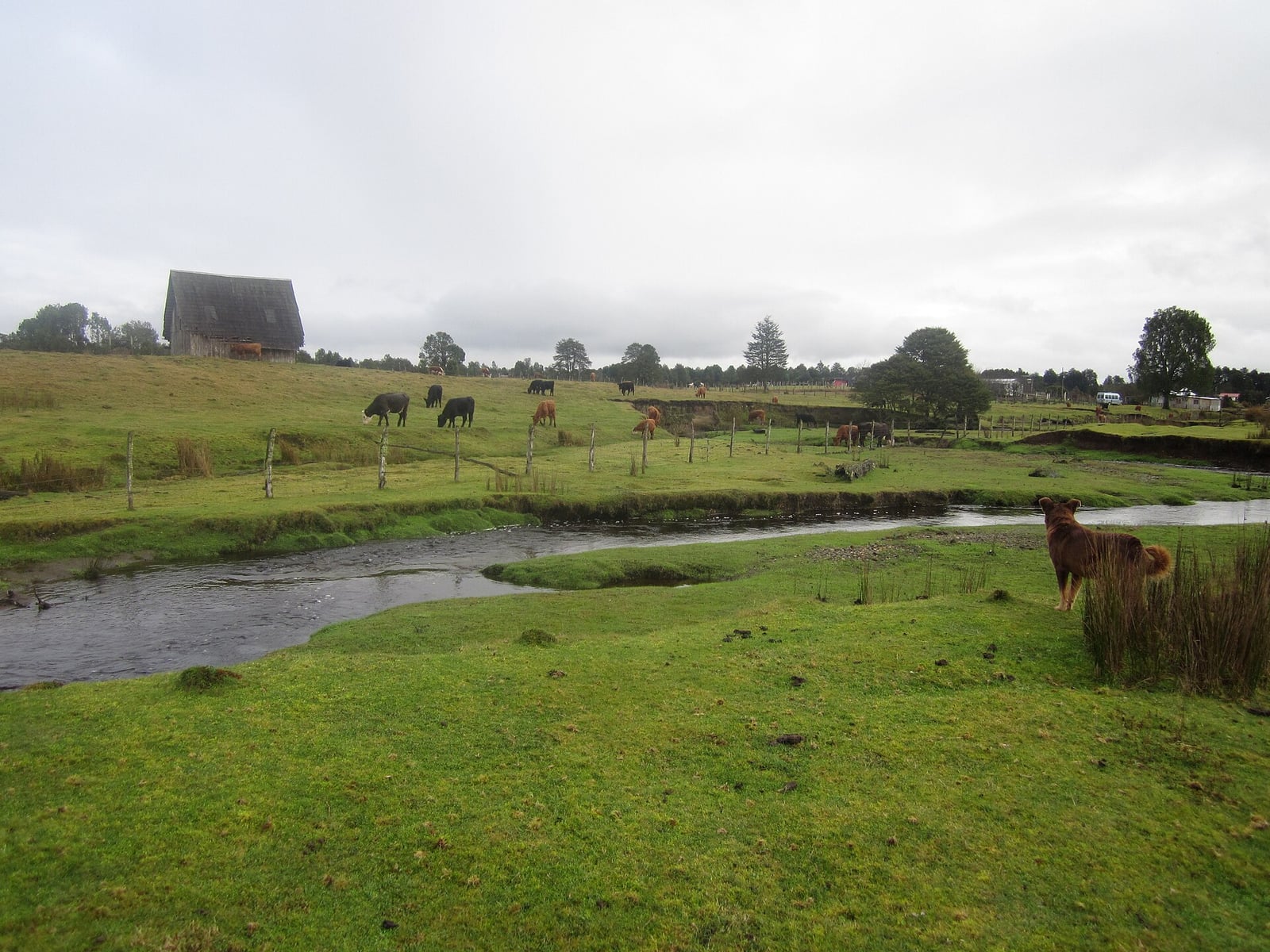
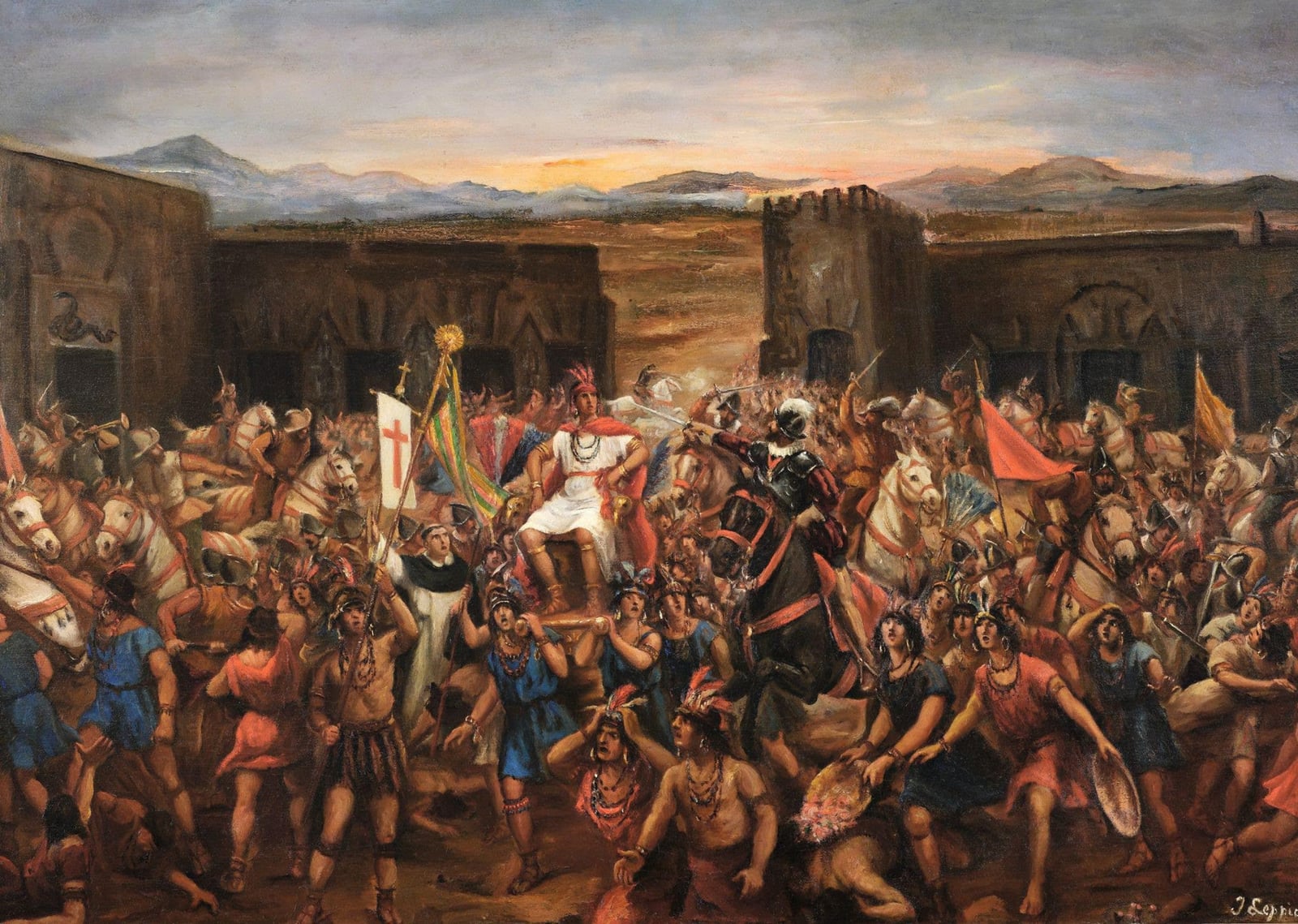
Sources
- La Guerra de Arauco (1550-1656) (Memoria Chilena, Biblioteca Nacional de Chile)
- Comunicando un desastre: un mapa, diversos mensajeros y las noticias imperiales de una sublevación indígena (Arauco, 1598-1610) (Redalyc, peer-reviewed journal article)
- La población durante el período colonial (Memoria Chilena, Biblioteca Nacional de Chile)
- Angol y Temuco (Memoria Chilena, Biblioteca Nacional de Chile)
- Ocupación militar y colonización de la Araucanía (1851-1883) (Memoria Chilena, Biblioteca Nacional de Chile)
- Guerra Defensiva (Memoria Chilena, Biblioteca Nacional de Chile)
- Battle of Curalaba
Image: Diego de Ocaña