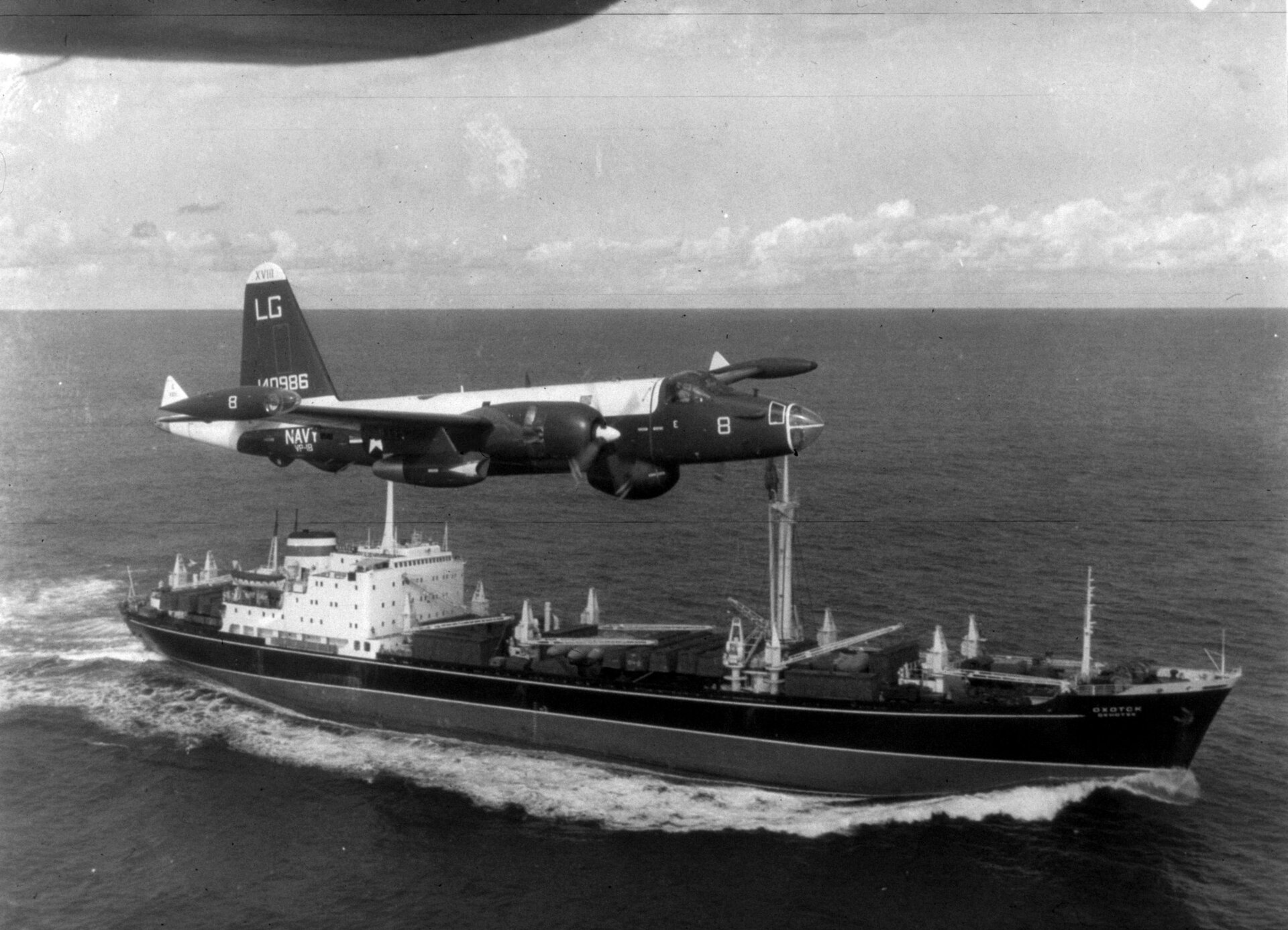
The Cuban Missile Crisis Brings the World to the Brink
Thirteen days of confrontation ended with the removal of Soviet missiles.
In October 1962, high-altitude surveillance flights over Cuba revealed the secret installation of Soviet nuclear launch sites, precipitating a thirteen-day standoff widely regarded as the closest the Cold War came to global nuclear conflict. The confrontation stemmed from years of mutual strategic escalations. The United States had previously stationed nuclear-armed Thor missiles in Great Britain and Jupiter missiles in Italy and Turkey, placing Moscow within rapid strike range. Meanwhile, the Soviet Union faced a steep disadvantage in intercontinental ballistic missiles, possessing only a modest fraction of the American inventory alongside unreliable long-range delivery systems.
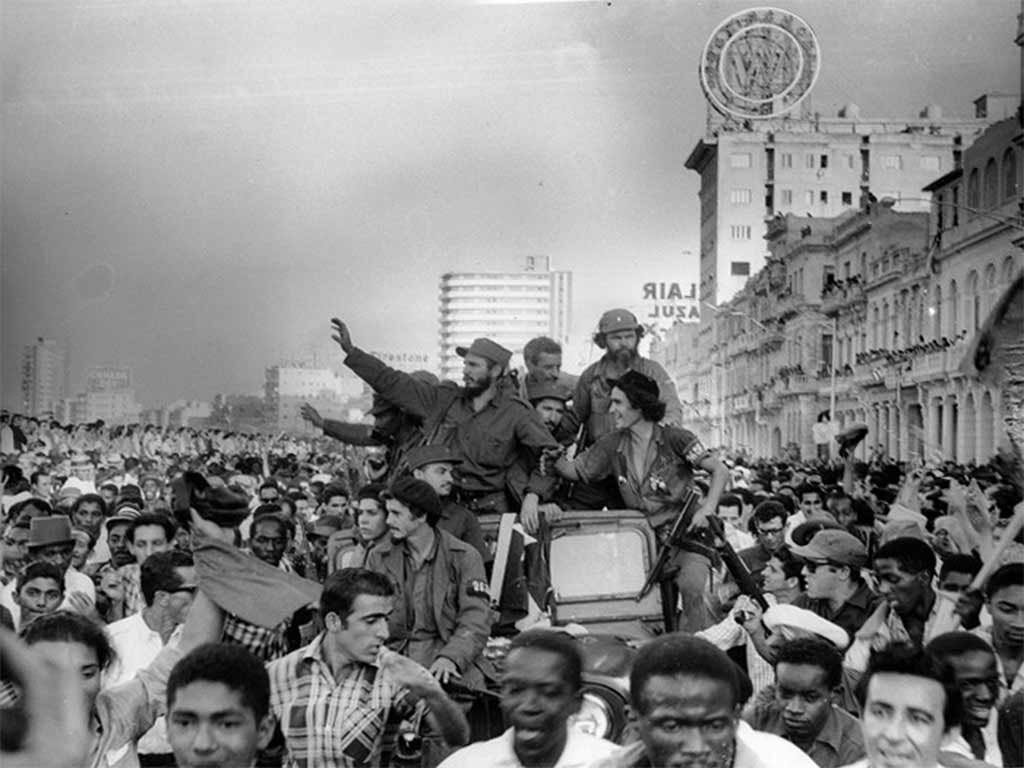
Tensions surrounding the island had already mounted steeply following the Cuban Revolution of 1959. American authorities had backed a failed amphibious assault by Cuban expatriates at the Bay of Pigs in April 1961, followed by a covert campaign of sabotage, economic sanctions, and maritime exercises known as the Cuban Project. Cuban leaders interpreted these operations as clear precursors to a full-scale invasion. Simultaneously, Soviet First Secretary Nikita Khrushchev sought to deter American aggression, secure West Berlin within the Soviet sphere, and prevent Havana from drifting toward Beijing, prompting an agreement between Khrushchev and Fidel Castro in mid-1962 to station intermediate and medium-range ballistic weapons on Cuban soil.

Keep reading in Yester
Coming soon to the App Store
Keep following the story
Sources
- The Cuban Missile Crisis, October 1962 (U.S. Department of State, Office of the Historian)
- The Cuban Missile Crisis (John F. Kennedy Presidential Library and Museum)
- Cuban Missile Crisis: Soviet Nuclear Weapons Deployment, Electronic Briefing Book No. 449 (National Security Archive, George Washington University)
- Cuban Missile Crisis
Image: USN