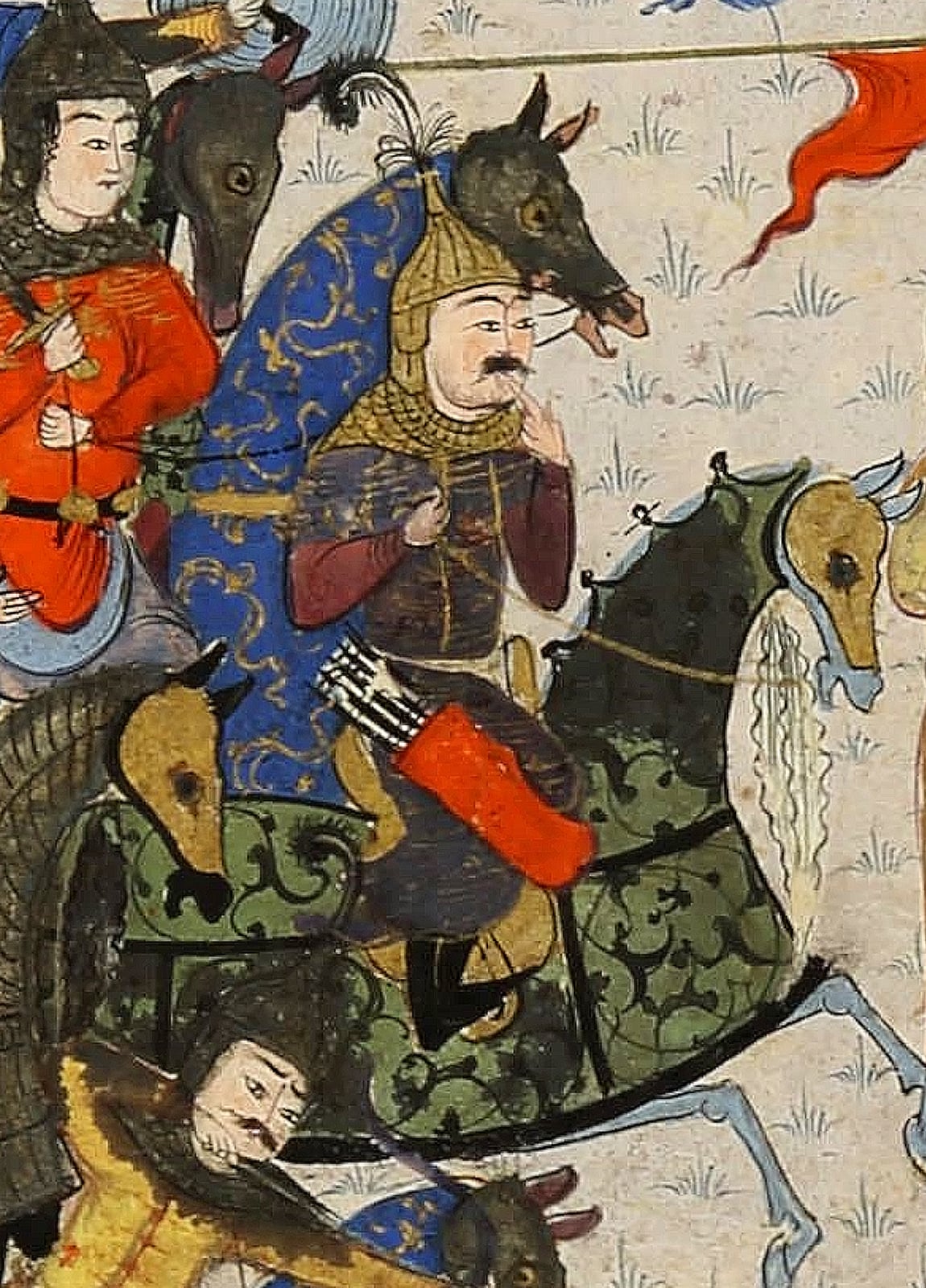
Ottoman Guns Defeat the Safavids at Chaldiran
Cannon and muskets broke Shah Ismail’s cavalry and shaped a long Ottoman–Persian frontier.
On 23 August 1514, the imperial armies of Sultan Selim I and Shah Ismail I clashed on the plain of Chaldiran, in what is now northwestern Iran. The confrontation represented the culmination of years of escalating political, territorial, and ideological friction across Anatolia. Ismail had expanded Safavid power across Iran and established authority over regional tribes, attracting devoted followers among the Qizilbash dervish warriors who viewed him as an infallible spiritual guide. Viewing these pro-Safavid sympathizers in Ottoman lands as an intolerable internal threat to his sovereignty, Selim secured a legal opinion from religious jurists condemning Ismail and had large numbers of suspected Qizilbash in Anatolia killed before embarking on his eastern campaign; chroniclers give a figure of 40,000, which historians treat as a conventional number.
The Ottoman march into the rugged Armenian highlands faced considerable logistical obstacles. Confronted by an invasion from the Khanate of Bukhara in the east, Ismail adopted a scorched-earth strategy in the west to deprive the advancing Ottomans of sustenance. Extended supply lines, demanding terrain, and reluctance to fight against fellow Muslims caused widespread unrest within the Ottoman ranks, leading mutinous Janissaries to fire muskets at Selim's imperial tent. Seeking to suppress dissent and force a swift resolution, the Ottoman sultan pressed forward rapidly to confront the Safavid forces assembling at Chaldiran.

Keep reading in Yester
Coming soon to the App Store
Keep following the story
Sources
Image: 1524 artist