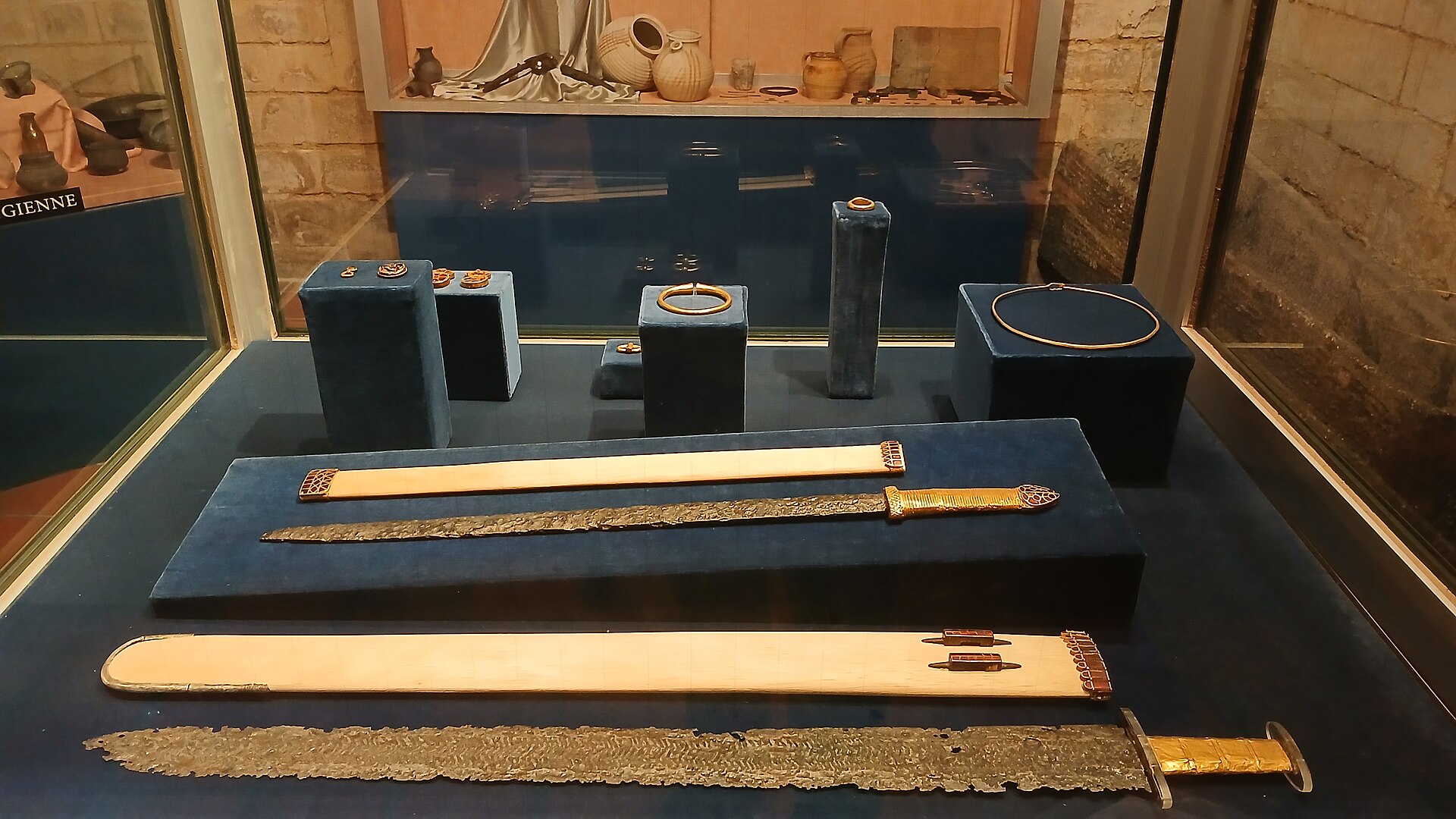
Rome and the Visigoths Halt Attila
An alliance of Romans and Goths fought the Huns to a standstill in Gaul.
In the spring of 451, Attila led a vast confederation of Huns and subject peoples across the Rhine into Gaul. Western Roman authority had steadily declined beyond Italy, leaving large tracts under the administration of settled federate tribes. Attila sought to exploit these internal fractures, using a succession dispute among the Franks and an appeal from Justa Grata Honoria, sister of the Western emperor Valentinian III, as pretexts to advance. Ancient accounts portrayed his march as a trail of widespread destruction, though modern scholars observe that major population centers lacked archaeological destruction layers from this year, suggesting that his forces moved along established military roads toward the central interior.
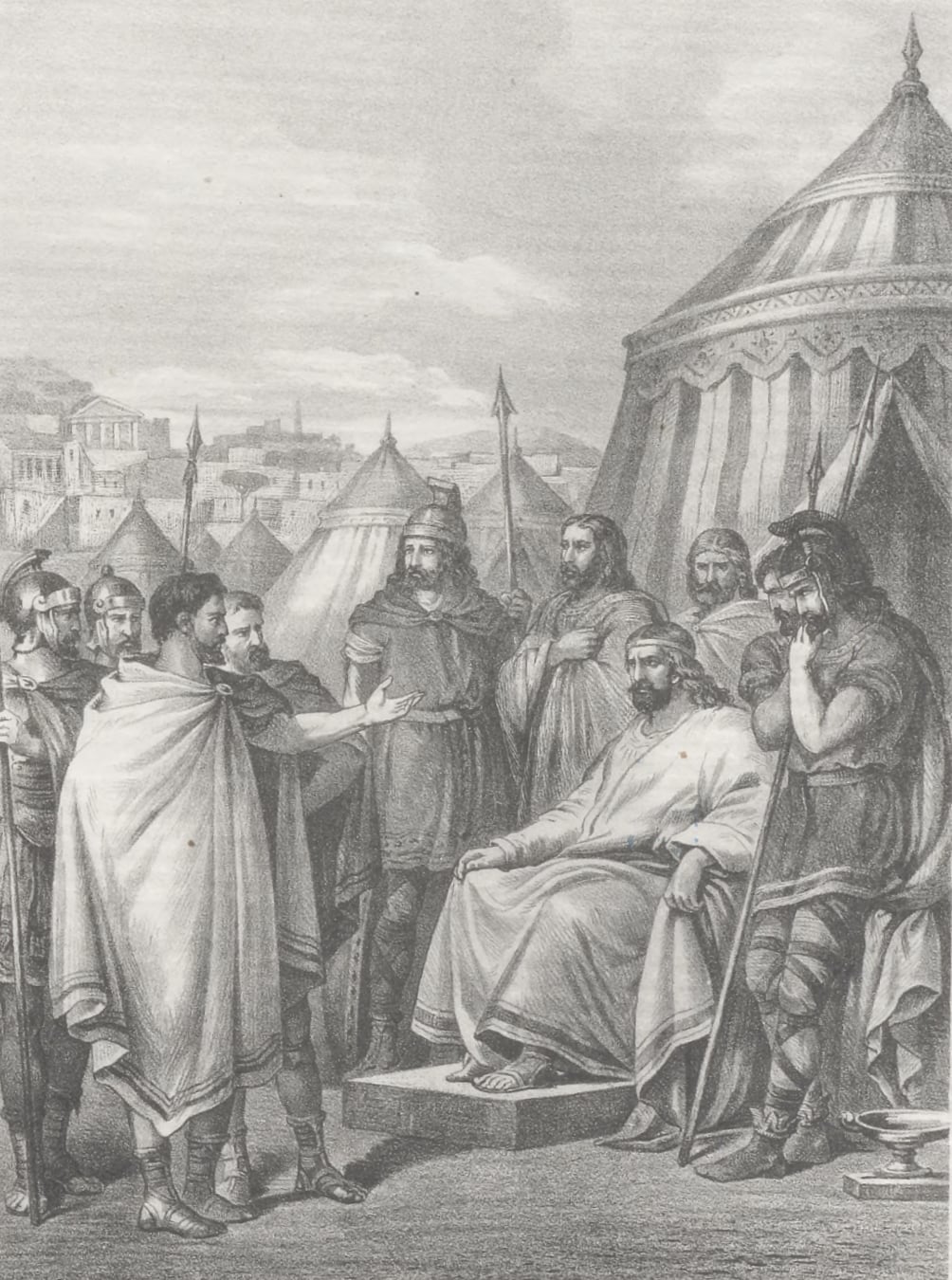
The campaign reached its turning point at Aurelianum, modern Orleans. Attila's forces battered the walls of the city, where the Alan king Sangiban was settled, but broke off the assault when a relieving army approached. Jordanes claims Sangiban had secretly promised to hand the city to Attila. Recognizing that Roman forces alone could not withstand the invasion, the Roman general Flavius Aetius had negotiated a critical alliance with Theodoric I, king of the Visigoths. Supported by Alan units and smaller contingents of Franks and Burgundians, the combined coalition forced Attila to abandon the siege and withdraw eastward to Champagne. Rather than a spontaneous encounter, the subsequent engagement developed from an organized allied pursuit of the retreating Hunnic column.

Keep reading in Yester
Coming soon to the App Store
Keep following the story
Sources
Image: Arnopabo