Granada Holds a Contest to Save Deep Song
Lorca and Falla organized a festival for the oldest flamenco singing.
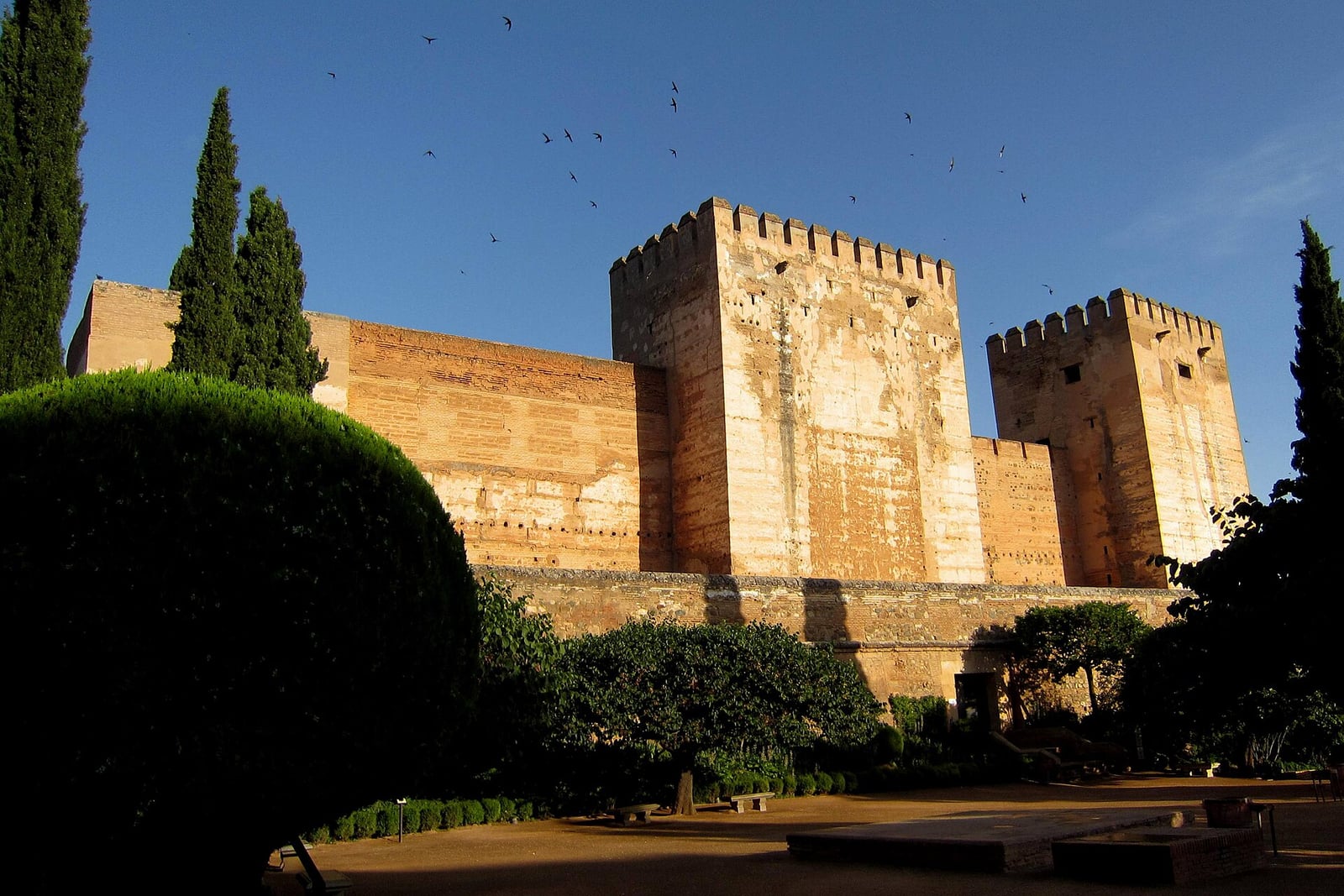
In June 1922, the Spanish composer Manuel de Falla and his circle staged the Concurso de Cante Jondo in Granada, aiming to revitalize the traditional vocal forms of flamenco. Deeply influenced by folk idioms in his own classical compositions, Falla believed that authentic cante jondo, or "deep song," was suffering from commercial degeneration and neglect. The project sought to counter the antiflamenco sentiments then common among members of the Generation of '98, intellectuals who viewed popular flamenco spectacles as vulgar distractions hindering national modernization. Falla sought to elevate the genre as a profound musical tradition worthy of serious artistic consideration.
A formidable cultural network rallied to support the enterprise. The young poet Federico Garcia Lorca became one of its most energetic advocates, publishing essays and delivering public lectures to spark interest in the history and austere drama of the style. The local Centro Artistico backed the project, and public financing was eventually secured from the municipal government of Granada, though not without controversy regarding public funding for flamenco. Intellectuals and artists across Europe sent endorsements or took part, including painter Ignacio Zuloaga, classical guitarist Andres Segovia, and poet Juan Ramon Jimenez.

Keep reading in Yester
Coming soon to the App Store
Keep following the story
Sources
- El Concurso de Cante Jondo (El Debate)
- Quand Lorca et de Falla celebraient le chant flamenco (Equinox magazine)
- El Concurso y Fiesta del Cante Jondo: papel de los interpretes profesionales, bases, premios, facturas y pagos (Universidad Internacional de La Rioja)
- Culture commemorates the Flamenco Singing Contest of 1922 (Patronato de la Alhambra y Generalife)
- Even after five years (Expoflamenco, Manuel Bohorquez)
- El Tenazas (Biografias y Vidas)
- Concurso de Cante Jondo
Image: Martin Furtschegger