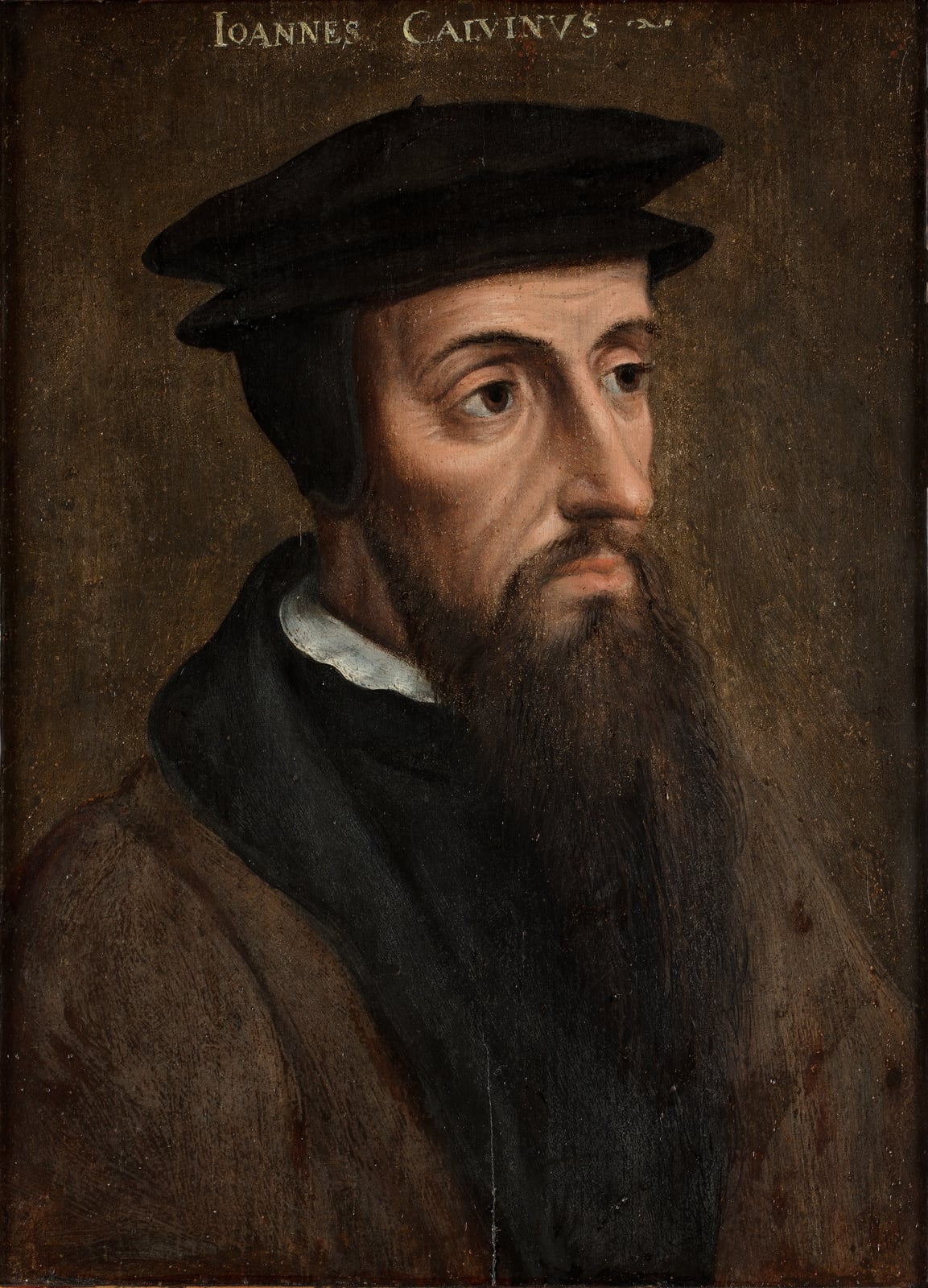
Calvin Returns to Reform Geneva
A French reformer shaped a church and a city.
In September 1541, the French theologian John Calvin re-entered Geneva in a wagon provided by the city government, escorted by an official guard. Three years earlier, magistrates had banished him after an escalating quarrel over church authority and sacramental practice. In the intervening years, the city had struggled with dwindling church attendance and unstable foreign relations, leading officials to invite him back from his pastoral work in Strasbourg. Reluctant to leave his congregation of French refugees, Calvin ultimately consented to return on loan, setting in motion a sweeping reorganisation of civic and religious life.
Within months of his arrival, the Genevan council ratified Calvin's Ecclesiastical Ordinances on 20 November 1541. This legislation established four distinct offices within the church: pastors to preach and administer sacraments, doctors to teach scripture, elders to oversee community conduct, and deacons to manage aid for the impoverished. The ordinances also brought into being the Consistory, an ecclesiastical court uniting pastors and elders to regulate Christian discipline. Civil penalties remained reserved for the city government, and the Consistory's right to excommunicate was disputed with the magistrates until 1555, but the court maintained intense oversight of urban manners.

Keep reading in Yester
Coming soon to the App Store
Keep following the story
Sources
Image: Anonymous ( France ) Unknown author