The Buena Vista Social Club Revives Cuban Son
An album recorded in Havana brought veteran musicians world fame.
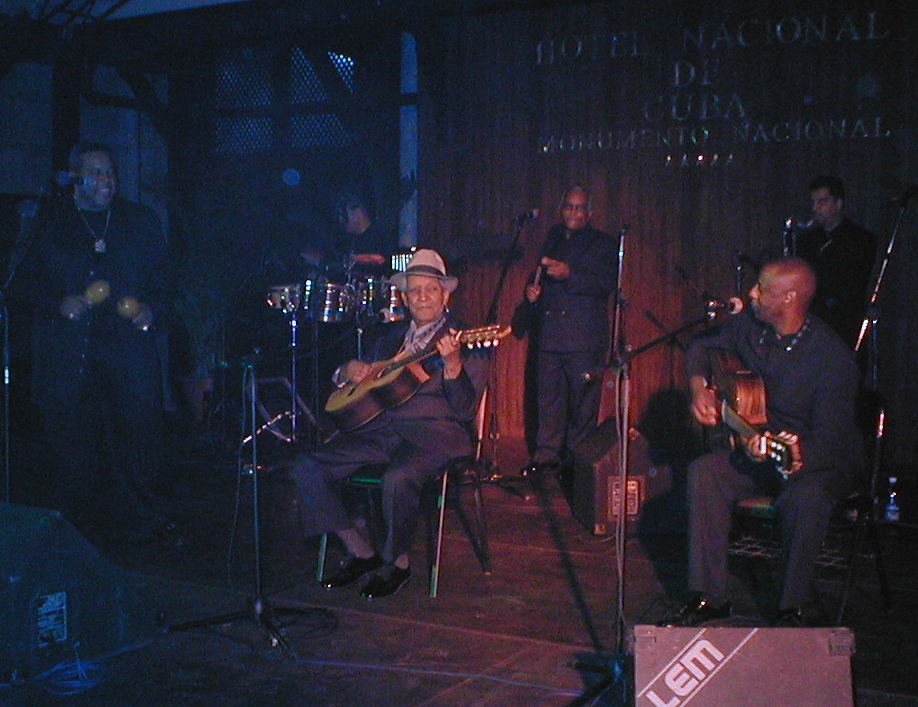
In March 1996, American guitarist Ry Cooder arrived in Havana to participate in a recording session conceived by British executive Nick Gold of World Circuit Records. The original plan aimed to unite musicians from Mali with Cuban players, but the African instrumentalists were unable to secure visas. Faced with the sudden cancellation, Gold and Cooder pivoted to record an album of traditional Cuban styles with local performers. Guided by Cuban musical director Juan de Marcos González, they assembled a group of veteran musicians, many of whom had been retired or overlooked for decades, gathering them at Havana's EGREM Studios.
The ensemble derived its name from the Buenavista Social Club, a popular members-only venue founded in Havana during the 1930s. In the era of institutional segregation before the Cuban Revolution of 1959, the club had served as an Afro-Cuban recreational society where patrons gathered to dance, play games, and listen to vibrant conjuntos and charangas. Like other private mutual-aid societies, the original venue closed during the social reorganizations that followed the revolution, as cultural policy turned toward state-sponsored forms and newer musical trends. By the 1990s, the precise location of the former club was largely forgotten by local residents.

Keep reading in Yester
Coming soon to the App Store
Keep following the story
Sources
- 20 Years On, That Buena Vista Social Club Magic Endures (NPR)
- Buena Vista's Ruben Gonzalez Dies at 84 (NPR)
- Cuban Pianist Ruben Gonzalez Dies (Billboard)
- Late Bloomer Compay Segundo Dies (CBS News / Associated Press)
- Buena Vista Social Club (Wim Wenders Stiftung)
- Ry Cooder and mambo politics (The Globe and Mail)
- Hispanidad: Buena Vista, RIP (UPI)
- Buena Vista Social Club
Image: David Shankbone