The First Bitcoin Block Is Mined
A digital currency without a central bank began with a single block of transactions.
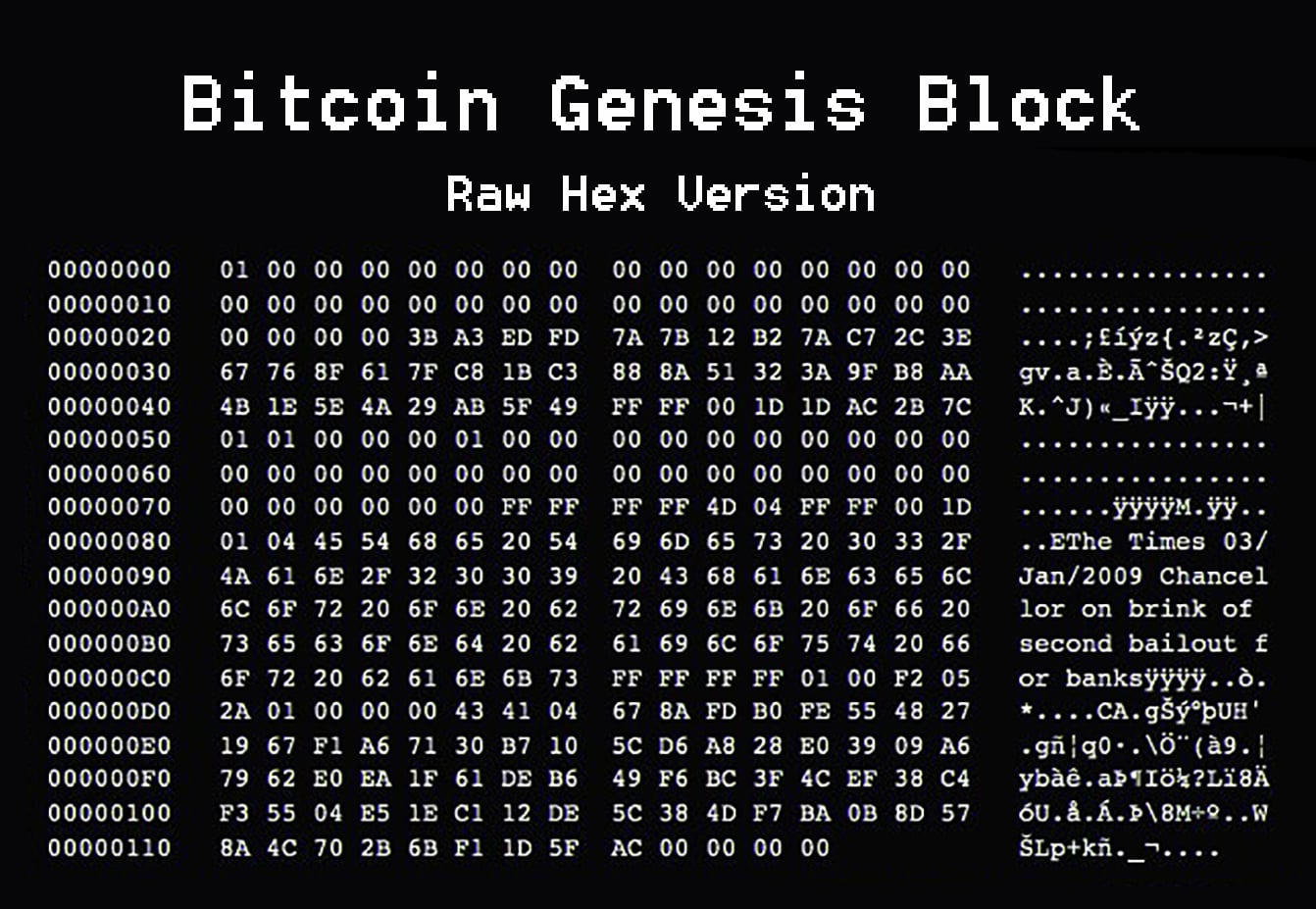
On 3 January 2009, an unknown programmer or group operating under the pseudonym Satoshi Nakamoto created the bitcoin network by mining its first entry, known as the genesis block. Embedded directly inside this foundational record was the text "The Times 03/Jan/2009 Chancellor on brink of second bailout for banks", referencing the date and headline of a British newspaper. Nakamoto had outlined the concept only months earlier, on 31 October 2008, by posting a link to a white paper titled "Bitcoin: A Peer-to-Peer Electronic Cash System" to a cryptography mailing list. Initially ignored by academic specialists who believed such a model could not function, the design presented an open-source framework intended to operate entirely free of central banks and governmental administrators.
The core problem solved by the new system was reaching agreement among scattered participants without relying on a central authority. Earlier efforts toward digital cash had encountered persistent obstacles: David Chaum's ecash relied on traditional financial institutions, Adam Back's Hashcash lacked protection against double-spending, and proposals like b-money and bit gold offered no clear way to resolve disagreements over the ledger. Computer scientists Arvind Narayanan and Jeremy Clark later traced many of the mechanisms chosen by Nakamoto to earlier academic research, while noting that the white paper as a whole was more novel than most academic work.

Keep reading in Yester
Coming soon to the App Store
Keep following the story


Sources
- Celebrating Bitcoin's 16th Birthday: A Look at Achievements in the Crypto Space (CME Group)
- Bitcoin's Academic Pedigree, by Arvind Narayanan and Jeremy Clark (ACM Queue)
- First Bitcoin transaction (Guinness World Records)
- The Man Who Really Built Bitcoin (MIT Technology Review)
- El Salvador Alters Bitcoin Policy (Global Finance)
- Bitcoin
Image: Satoshi Nakamoto