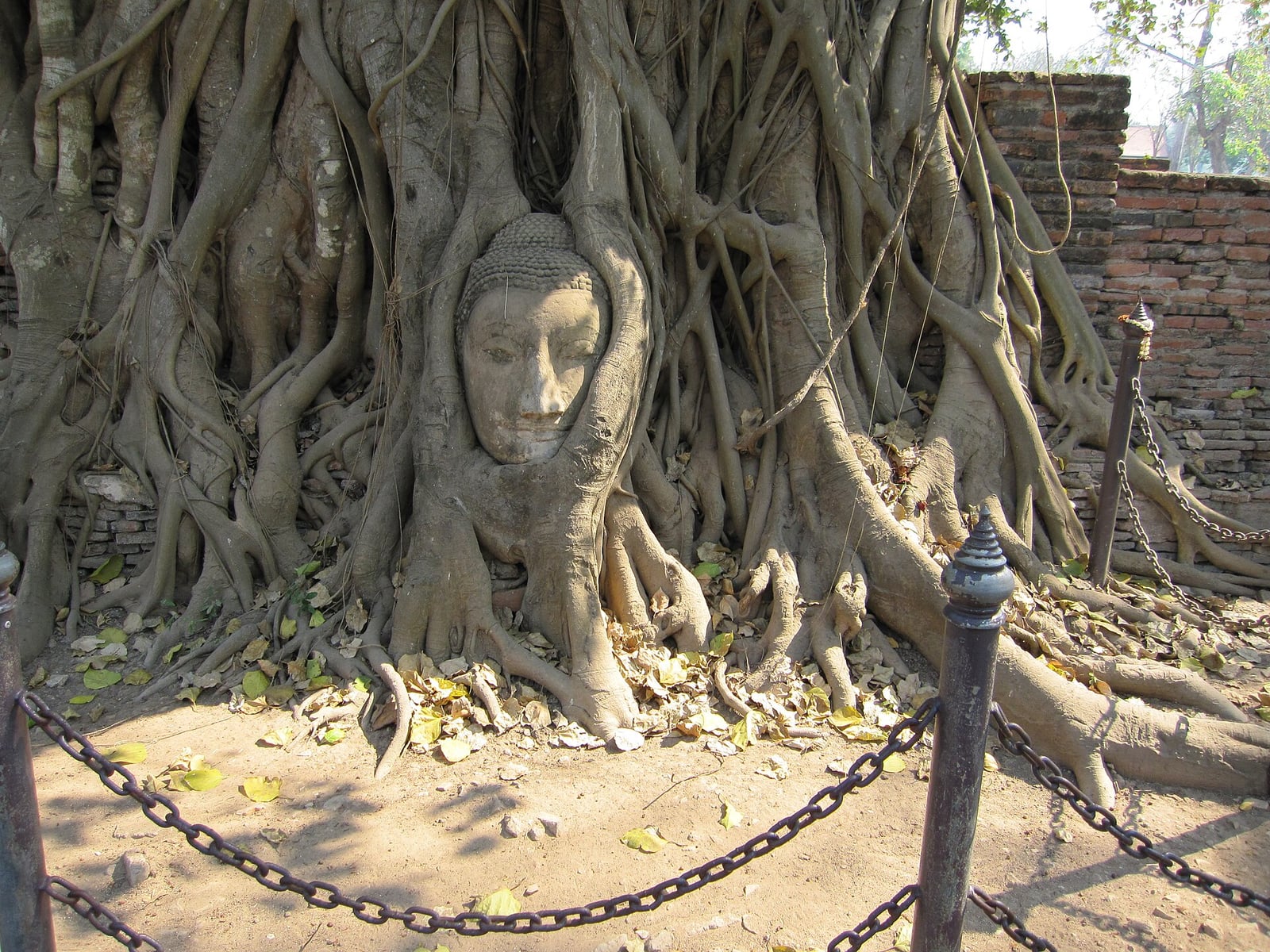
Burmese Armies Sack Ayutthaya
The capital of Siam was destroyed after a long siege.
In the early months of 1766, two columns of Burmese troops converged on the outskirts of Ayutthaya, setting in motion a siege that ended the Ayutthaya kingdom after more than four centuries. The Konbaung dynasty of Burma, consolidated only a decade earlier under King Alaungpaya, sought to finish an aborted conquest from 1760. Alaungpaya had withdrawn after falling severely ill, dying during the retreat, but his son King Hsinbyushin renewed the war in 1765. The Burmese army applied lessons from the previous campaign, coordinating a two-pronged offensive under generals Ne Myo Thihapate and Maha Nawrahta to isolate the Siamese kingdom from both the north and the west.
Ayutthaya entered the conflict poorly prepared. Decades of internal stability and growing rice exports to Qing China had eroded the traditional conscription system, as commoners increasingly evaded military service through taxes or commercial opportunities. The court had also reduced the authority of provincial governors to prevent regional rebellions, leaving the outer towns ill-equipped to defend themselves. When the Burmese advanced, the central government recalled provincial forces to protect the royal capital alone, effectively abandoning the outer territories and allowing the invaders to conscript local manpower as they progressed.

Keep reading in Yester
Coming soon to the App Store
Keep following the story
Sources
Image: Horiuchi