The Olympics Begin Again
Athens turned an ancient name into a modern international competition. The first Games revealed both the possibilities and the exclusions of the Olympic project.
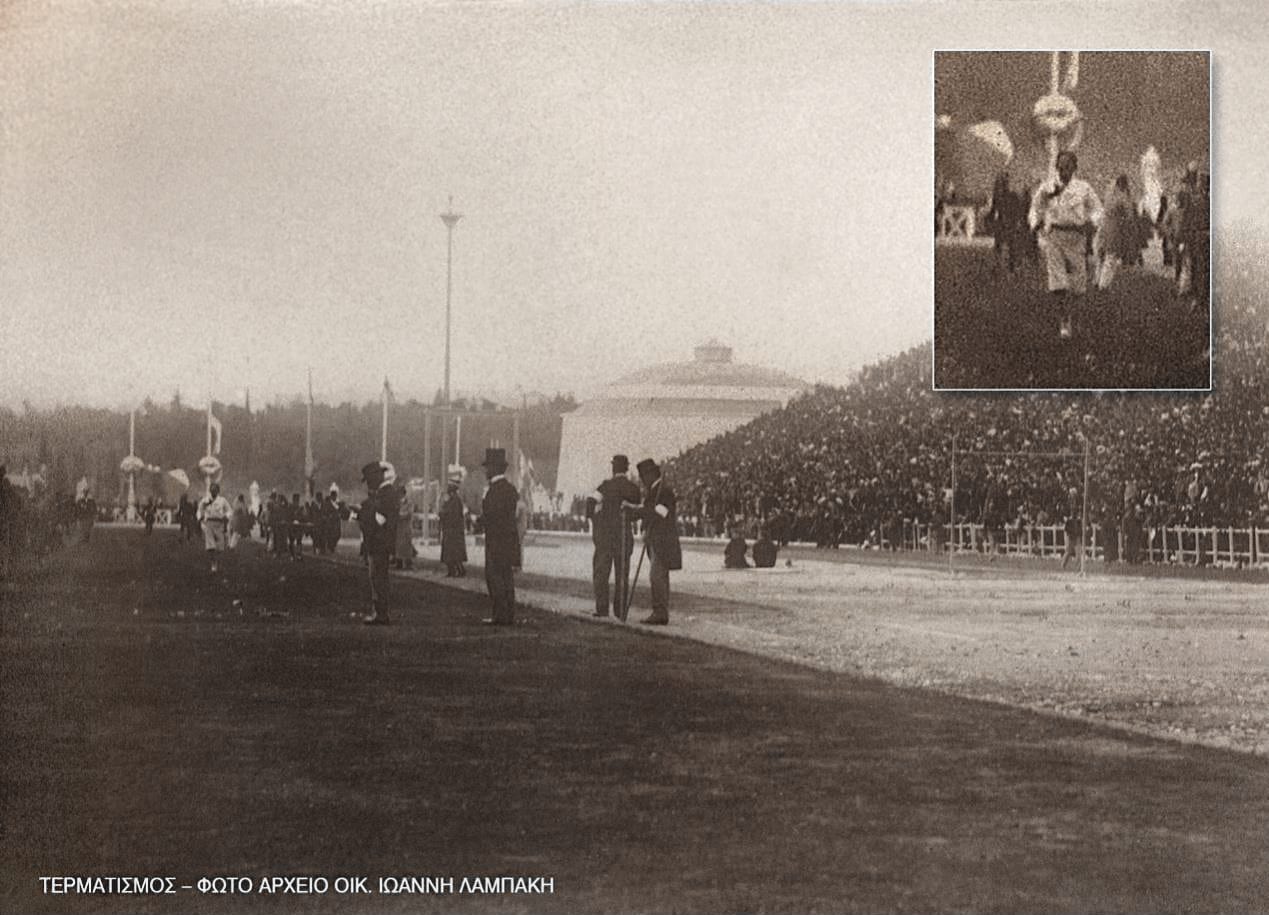
In April 1896, athletes entered a marble stadium in Athens for a competition that called itself ancient and modern at once. The Olympic Games had not quietly continued through the intervening centuries. Their revival was a deliberate construction: organizers borrowed the authority of Greek antiquity while assembling sports, rules and an international movement suited to their own time. The result was smaller and less standardized than the Olympics familiar today, but it made an ambitious idea visible.
Pierre de Coubertin became the revival’s best-known advocate, yet the story did not begin or end with him. Greek efforts to revive athletic festivals preceded the international congress of 1894, where Athens was chosen to host the first modern Games. Demetrios Vikelas helped secure that choice and became the first president of the International Olympic Committee. Hosting the event in Greece gave the new institution a powerful setting, while Greek organizers, supporters and spectators made its practical realization possible.

Keep reading in Yester
Coming soon to the App Store
Keep following the story
Sources
Image: Photographer: Ioannis Lampakis (1848–1916) [1]