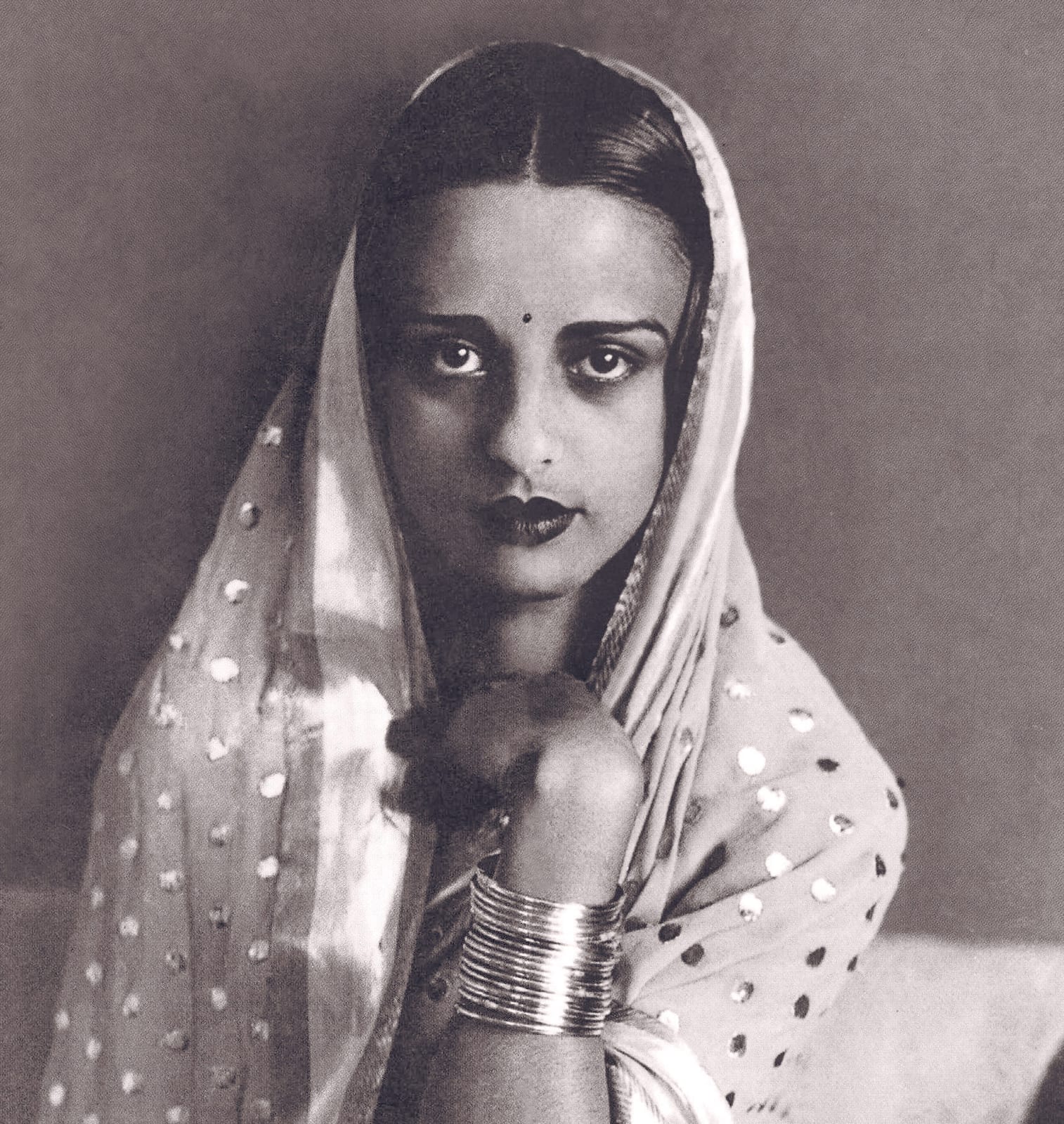
Amrita Sher-Gil Reworks Modern Painting in India
A painter moved between artistic traditions to develop representations that resisted easy divisions between European and Indian art.
Amrita Sher-Gil arrived back in India in late 1934 after completing rigorous academic training in Paris. Born in Budapest to a Sikh scholar and a Hungarian singer, she spent her formative years between Europe and the family residence in Shimla. Her time in the French capital had included study at the Academie de la Grande Chaumiere and the Ecole des Beaux-Arts, where she absorbed European post-impressionist techniques and gained early acclaim for works such as her 1932 canvas Young Girls. Yet despite receiving election as an associate of the Grand Salon, Sher-Gil felt compelled to direct her technical practice toward Indian subjects, motivated by a belief that her painterly voice belonged in the East.
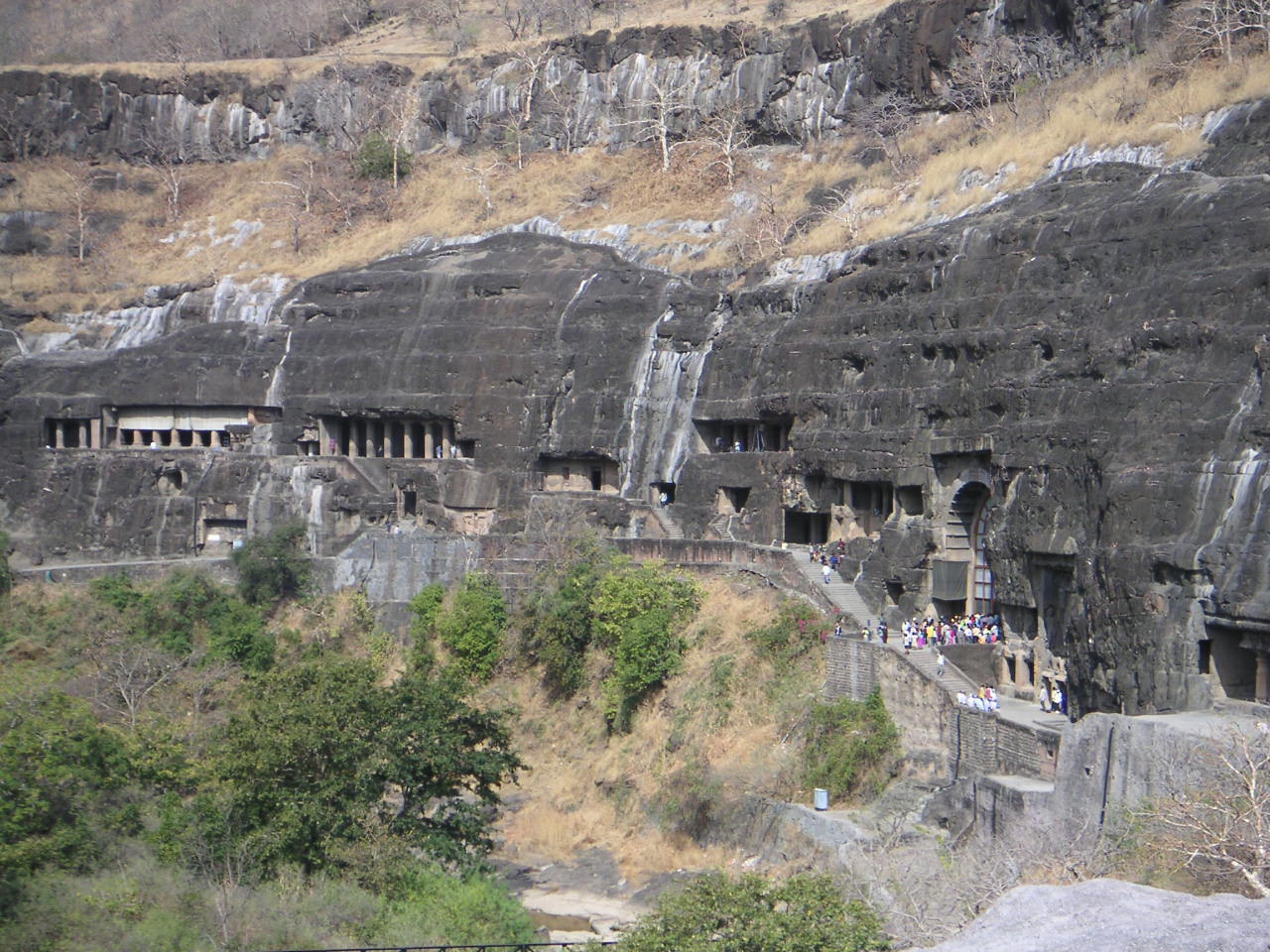
Settling into the family home at Summer Hill in 1935, Sher-Gil began exploring local compositions while moving within colonial and nationalist intellectual circles. During that year she met English journalist Malcolm Muggeridge and painted his portrait. A growing interest in Indian miniature painting soon led to extensive travels. On a journey south she stopped in Bombay, where the miniature collection of art critic Karl Khandalavala, who became a close friend, captivated her. She went on to study the classical murals of the Ajanta and Ellora caves alongside Mughal, Rajput, and Pahari miniature traditions.

Keep reading in Yester
Coming soon to the App Store
Keep following the story
Sources
Image: Unknown author Unknown author probably Umrao Singh Sher-Gil (1870–1954)