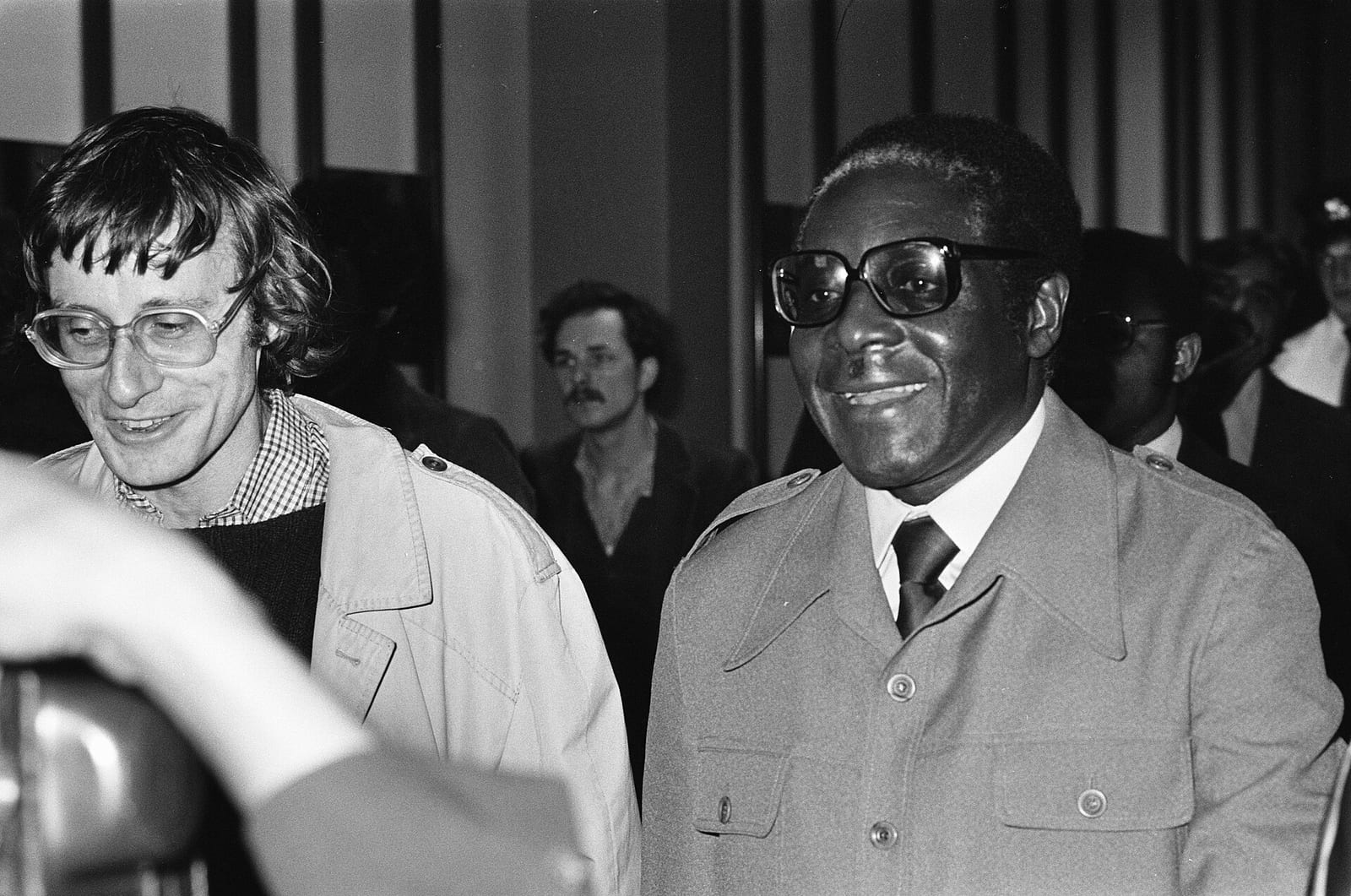
Independence of Zimbabwe
Negotiations, a ceasefire and elections brought internationally recognized independence to Zimbabwe in 1980. The transition ended minority rule through a settlement shaped by years of war.
Zimbabwe became independent on April 18, 1980, after a war and a difficult negotiated transition. The new state emerged from Southern Rhodesia, where the white-minority government’s 1965 declaration of independence had not gained international recognition.
After elections held in April 1979 under an internal political settlement, Abel Muzorewa became prime minister of a government called Zimbabwe Rhodesia. It did not end the fighting or secure broad international acceptance. Nationalist movements led by Robert Mugabe and Joshua Nkomo remained central to any agreement that could stop the war.

Keep reading in Yester
Coming soon to the App Store
Keep following the story
Sources
- Zimbabwe: A Guide to the United States' History of Recognition, Diplomatic, and Consular Relations (U.S. Department of State, Office of the Historian)
- The Lancaster House Agreement forty years on (FCDO Historians, GOV.UK History blog)
- Rhodesia: Constitutional Conference papers, 1979 (Senate House Library, University of London)
- ZANU-PF under Robert Mugabe wins first free elections (South African History Online)
- Lancaster House Agreement
- Southern Rhodesia
- 1980
- 1980 in music
Image: Koen Suyk / Anefo