
Asia Hosts Its First World Cup
Japan and South Korea shared the tournament, and Korea’s run to the semifinals filled Seoul’s streets.
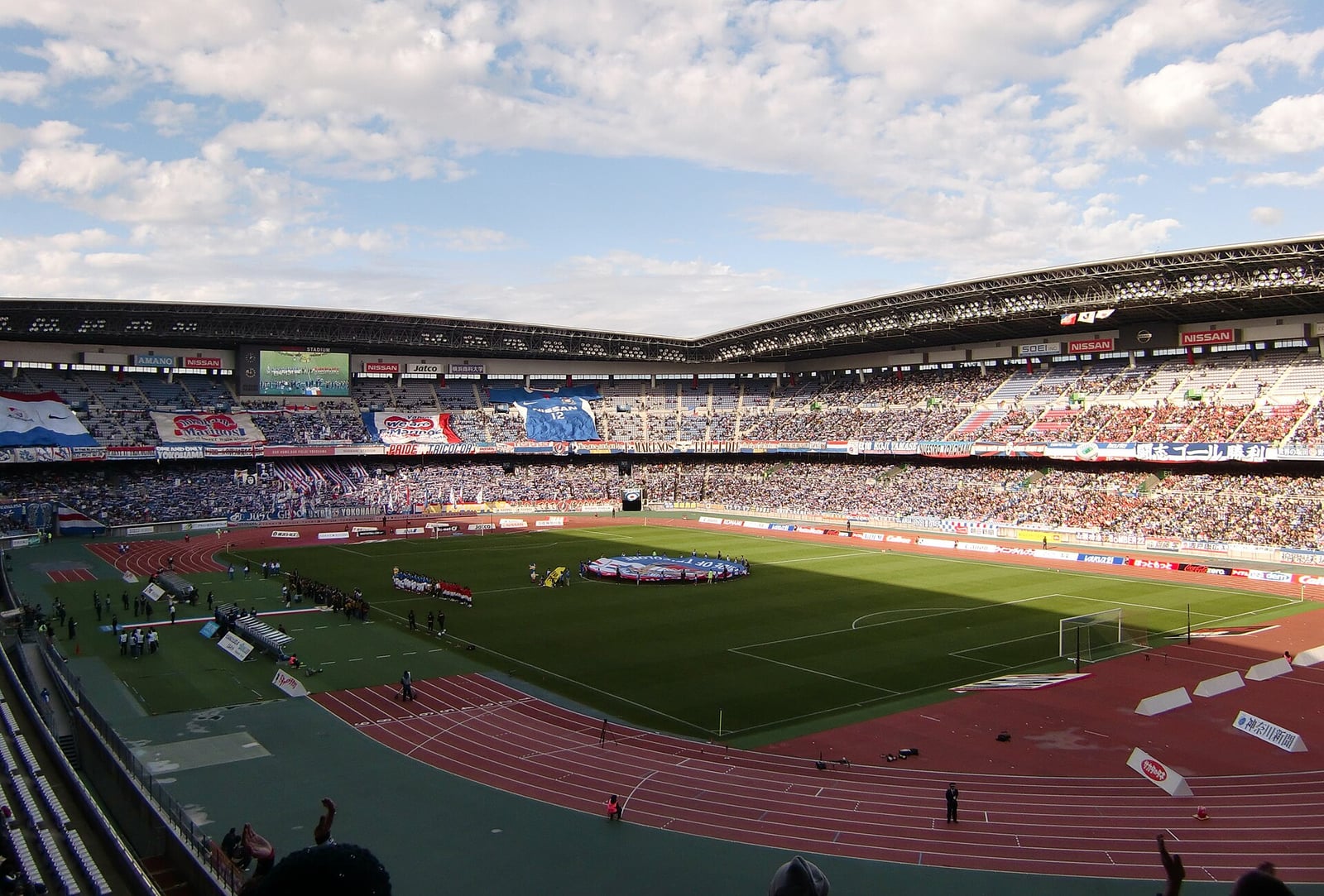
On 31 May 1996, FIFA took the unprecedented step of choosing two nations, South Korea and Japan, to co-host the seventeenth men's World Cup. The decision followed intense lobbying after both countries mounted competing bids alongside Mexico. Faced with a divided governing body and fierce political rivalry between the two Asian associations, officials proposed a joint tournament. It marked the first time the competition would take place in Asia, the first time it occurred outside Europe and the Americas, and the first time multiple sovereign countries shared hosting duties. Organizers prepared twenty stadiums split equally across both territories, with the majority built specifically for the event.
The 2002 finals featured thirty-two teams selected from an initial field of 199 qualifying participants. Defending champions France and the two host nations entered automatically. Notably, this proved to be the final edition where reigning titleholders avoided qualification matches and the last tournament to employ the golden goal rule in extra time. Four nations made their debuts on the global stage: China, Ecuador, Senegal, and Slovenia. The group stage swiftly generated significant surprises. Defending champions France finished bottom of their section without scoring a single goal, while tournament contenders Argentina were also eliminated before reaching the knockout phase.

Keep reading in Yester
Coming soon to the App Store
Keep following the story

Sources
Image: Photo and Share CC