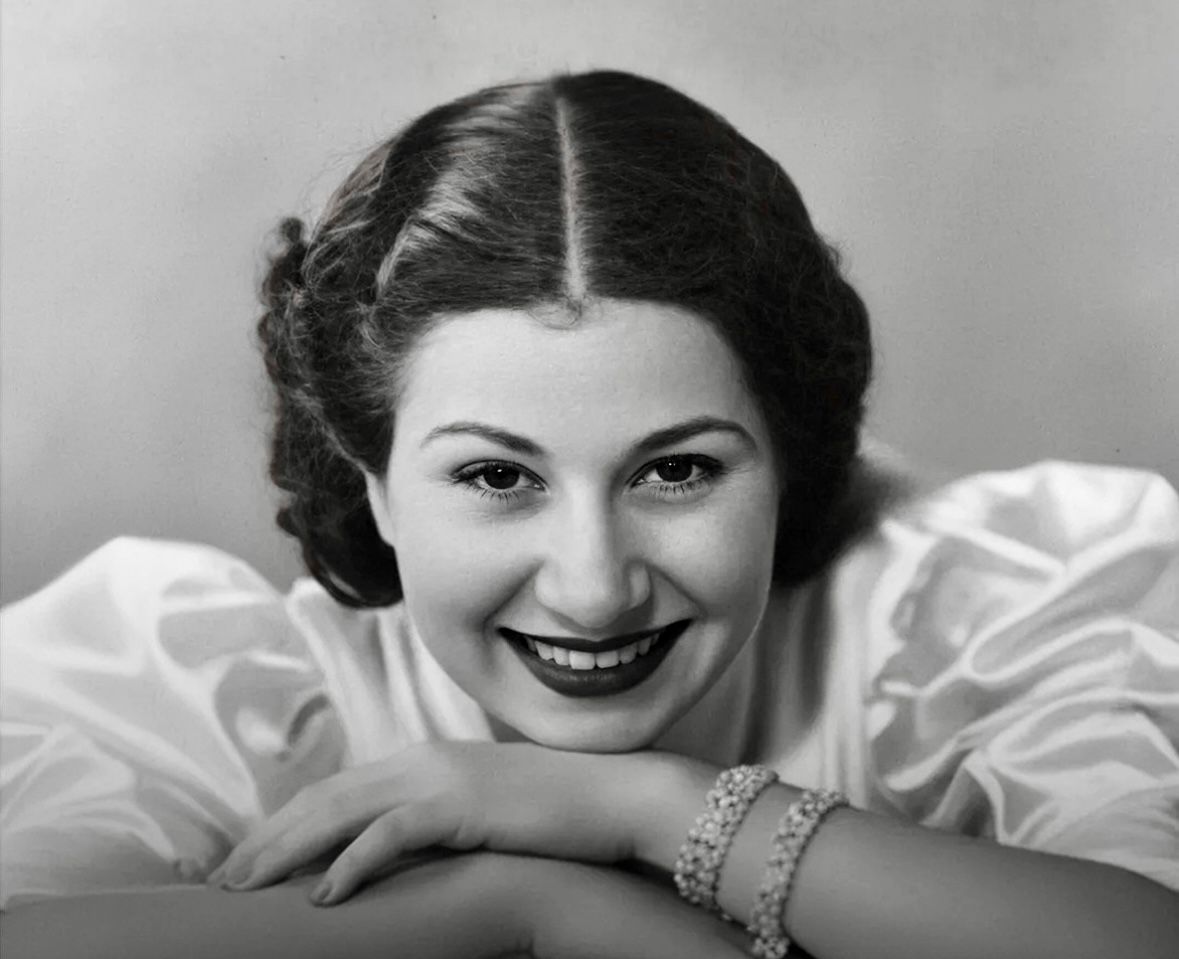
Umm Kulthum Makes a Concert Travel Across the Arab World
A voice shaped in live performance found a vast new audience through radio. Listeners could share a concert across borders without hearing exactly the same thing in it.
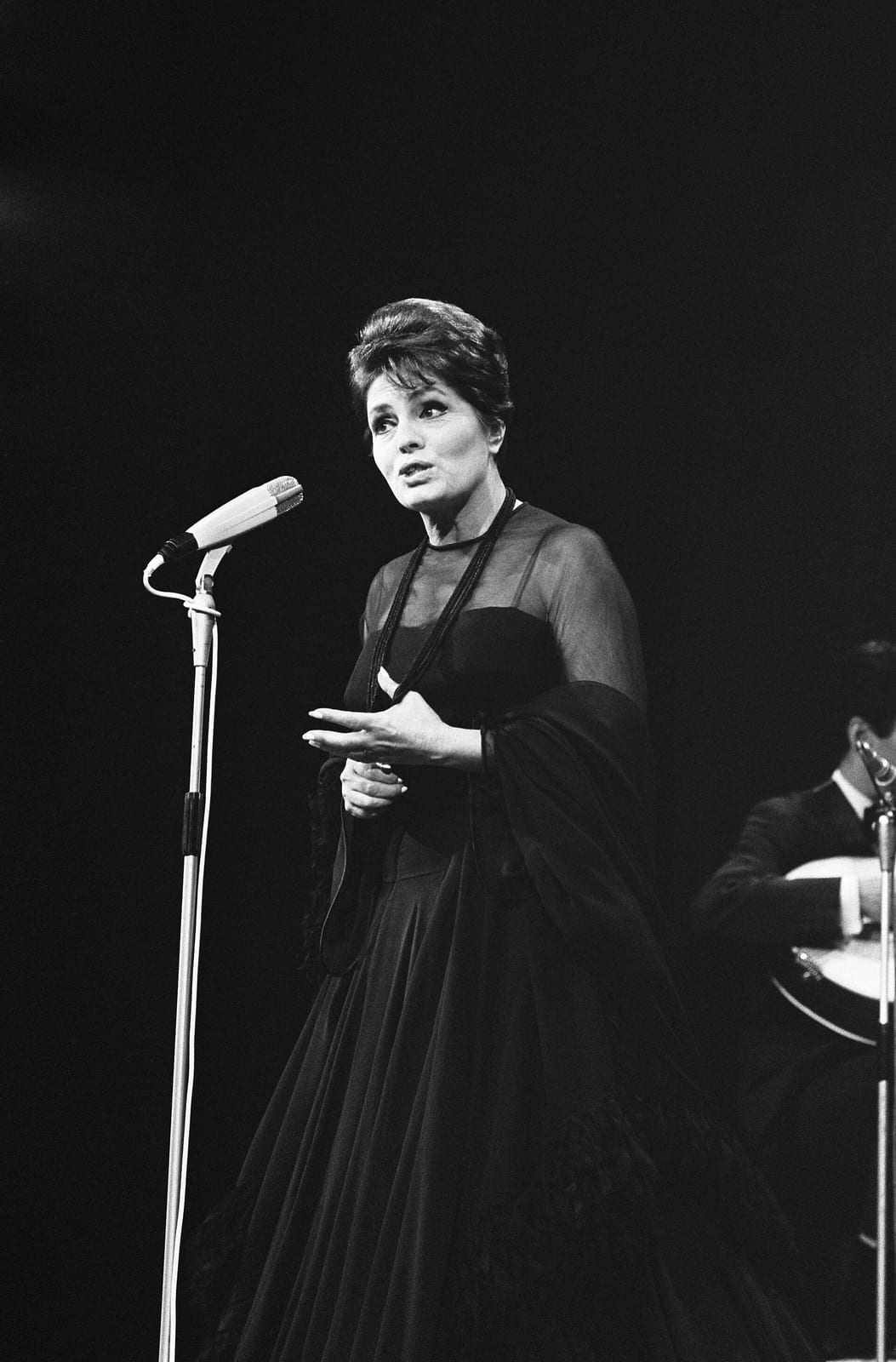
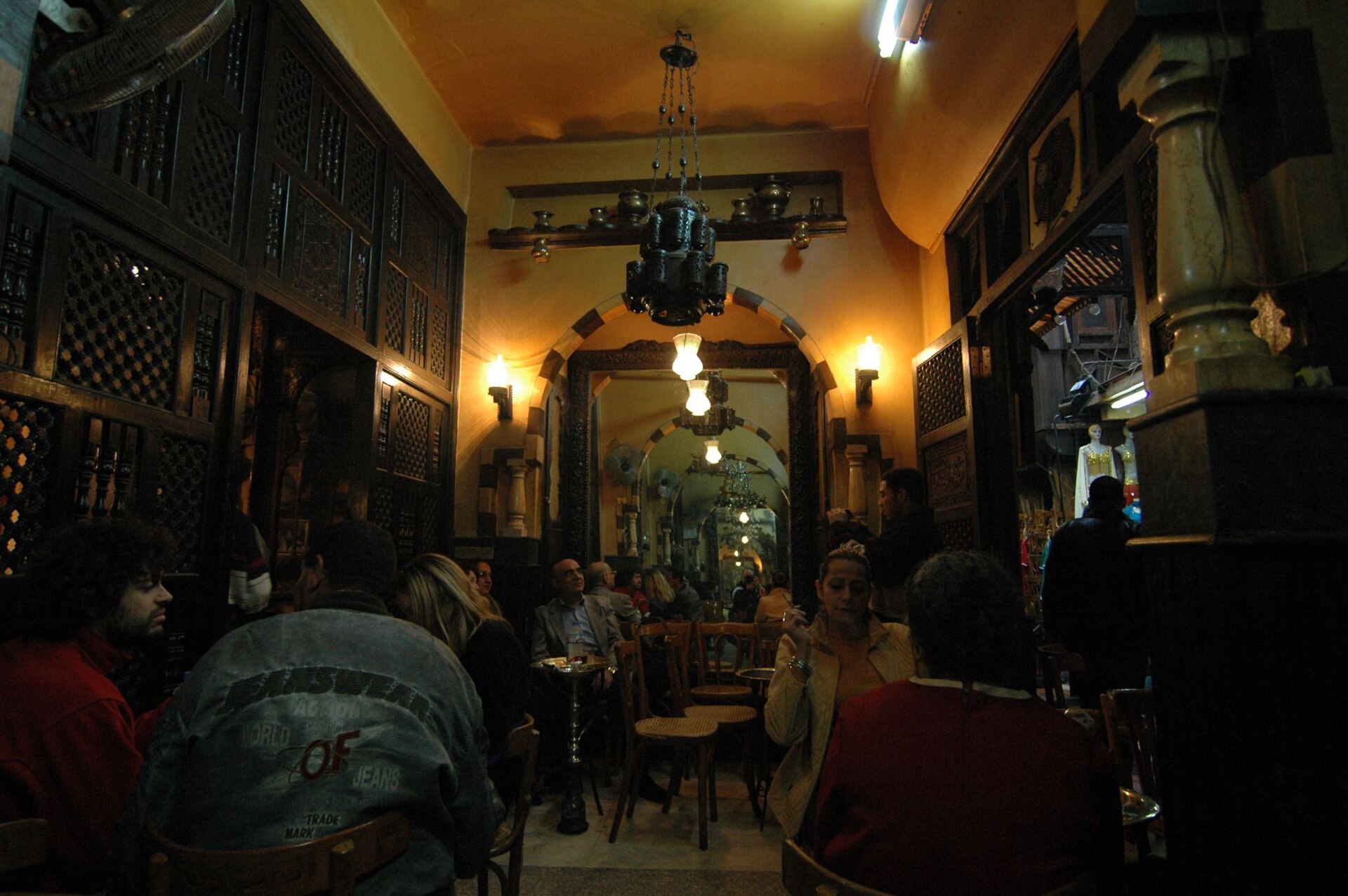
A radio could turn an ordinary room into part of a concert audience. For listeners across the Arabic-speaking world, Umm Kulthum’s broadcasts made that experience familiar. Her voice had been shaped through religious recitation and live singing before broadcasting gave it a much wider reach. The beginning of Egyptian state radio in 1934 belongs to this transformation. A performance rooted in a particular voice and place could now arrive in homes and cafés far beyond the hall.
Umm Kulthum had moved from a rural Egyptian setting into Cairo’s competitive musical life. Becoming a major performer required learning how to work with composers, poets, instrumentalists and audiences, as well as developing extraordinary vocal control. The resulting songs were not simply folk material preserved unchanged. They combined literary texts, composition and performance decisions in a professional musical world. Her authority grew partly from the ability to make those collaborations sound unmistakably her own, without making the collaborators disappear from the music.

Keep reading in Yester
Coming soon to the App Store
Keep following the story

Sources
Image: Unknown author Unknown author