The Bicycle Race Built to Sell a Newspaper
The first Tour de France sent sixty riders into a punishing journey. Behind the sporting experiment was a newspaper looking for readers and a country becoming an audience.
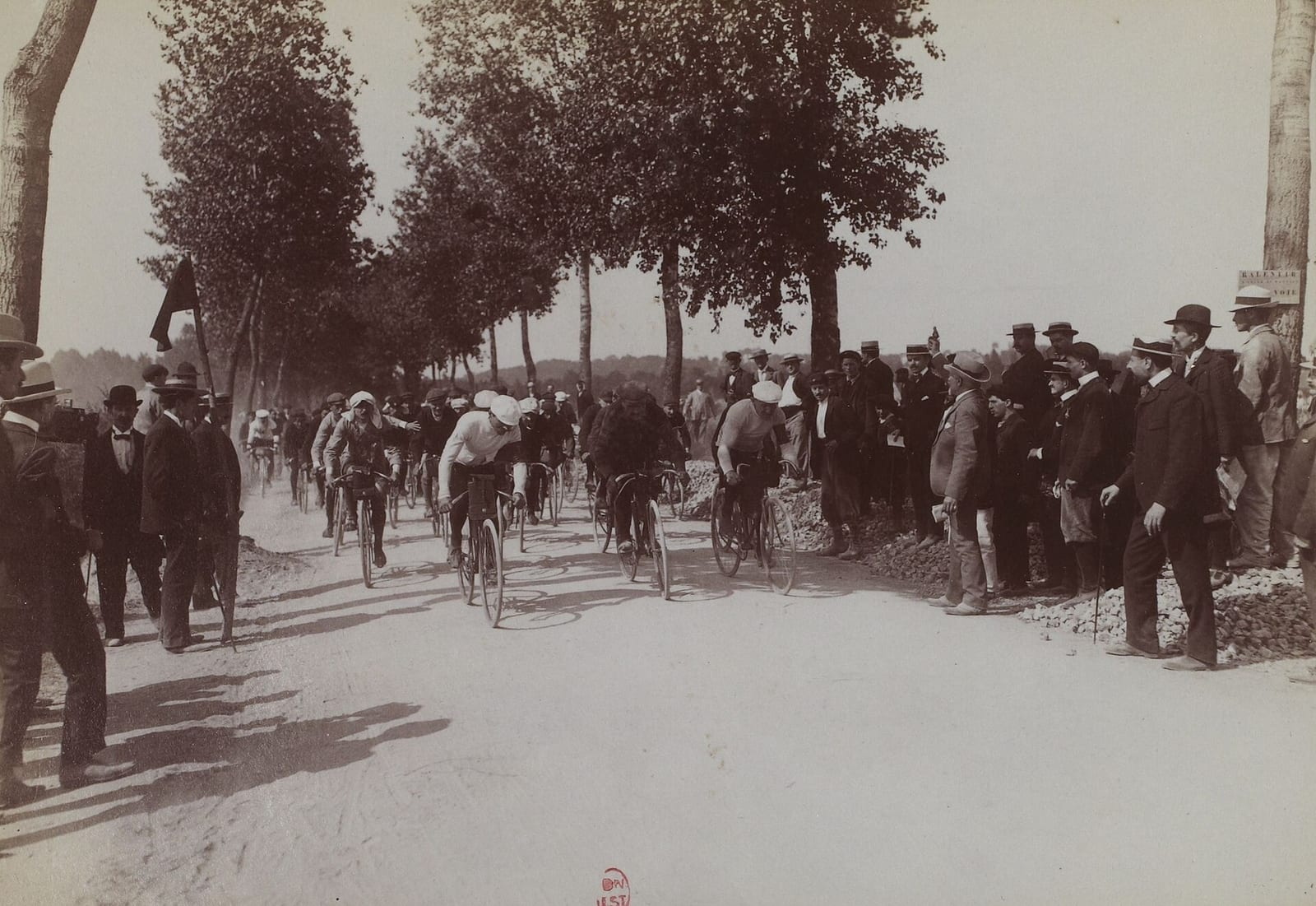
On July 1, 1903, sixty cyclists set off from Montgeron, outside Paris, on a race whose commercial purpose was almost as important as its sporting one. The newspaper L’Auto needed readers. Its editor, Henri Desgrange, accepted a proposal from journalist Géo Lefèvre for a competition that would carry the paper’s name across France. Instead of reporting only on events someone else had arranged, the newspaper would create an event that people had to keep following.
The first Tour consisted of six enormous stages over a route of roughly 2,428 kilometers. That structure was very different from the succession of shorter daily stages familiar in later editions. The opening journey to Lyon alone covered 467 kilometers. Riders had to manage effort across distances that made darkness, mechanical trouble and exhaustion part of the contest. A fast burst was not enough. Remaining in the race required a capacity to continue when the excitement of the start had long disappeared.

Keep reading in Yester
Coming soon to the App Store
Keep following the story
Sources
Image: Jules Beau