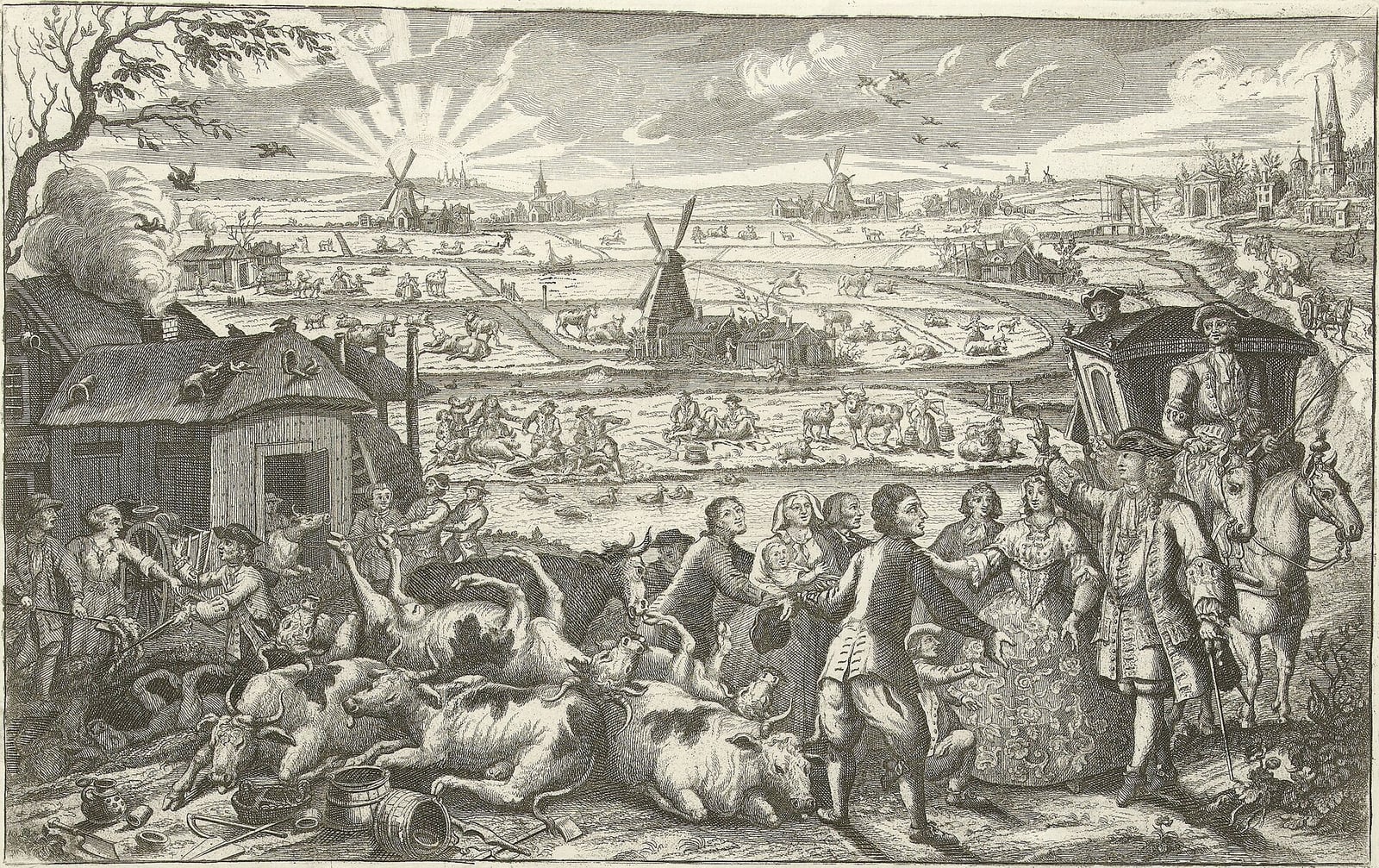
Rinderpest Becomes the Second Disease Ever Eradicated
A cattle plague that once wiped out herds across Africa and Asia was declared gone from the Earth.
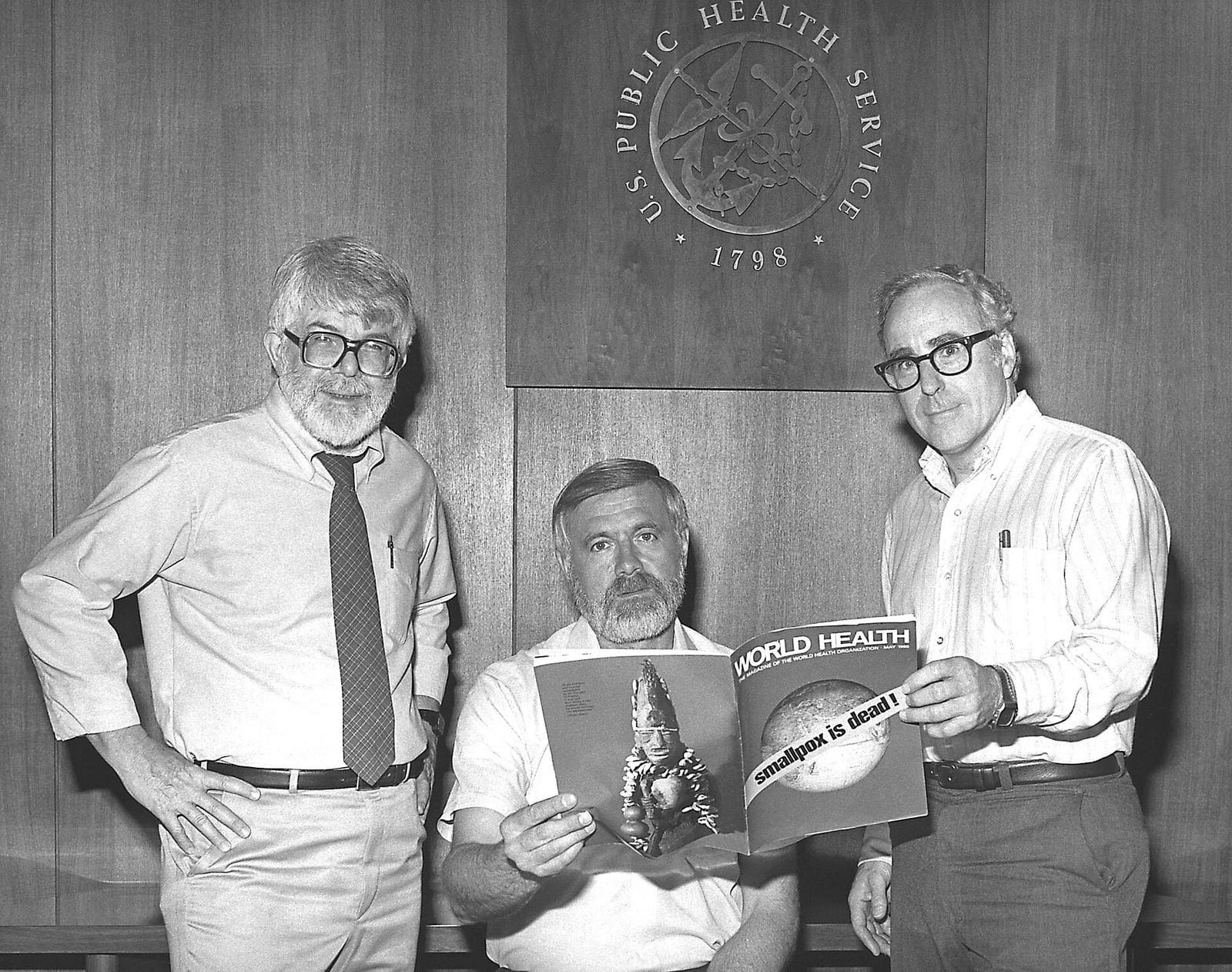
On June 28, 2011, the Food and Agriculture Organization of the United Nations gathered in Rome to formally declare the global eradication of rinderpest. The declaration closed the chapter on a devastating viral pathogen of domestic cattle, water buffalo, and wild even-toed ungulates. First confirmed in ancient records and believed to have originated in Asia, the morbillivirus produced severe fever, oral lesions, debilitating diarrhea, and mortality rates that approached one hundred percent in unexposed herds. Its defeat marked only the second time in human history that an infectious disease was entirely eliminated from the wild, following the victory over smallpox several decades earlier.
For centuries, the disease disrupted rural economies and transformed landscapes. During the eighteenth century, recurring outbreaks swept across Europe, forcing authorities to experiment with quarantines, compensation models, and the mass slaughter of infected animals. Early attempts at inoculation revealed aspects of maternal immunity, yet early methods often spread the contagion further. When rinderpest struck sub-Saharan Africa during the 1890s, the catastrophe proved immense. The virus killed between eighty and ninety percent of domestic herds across eastern and southern Africa, resulting in catastrophic famines that struck pastoral communities in Ethiopia and among the Maasai with particular severity.

Keep reading in Yester
Coming soon to the App Store
Keep following the story
Sources
Image: Jan Smit (II)