Nepal’s Peace Accord Ends a Ten-Year War
The deal brought Maoist rebels into politics and opened the way to ending the monarchy.
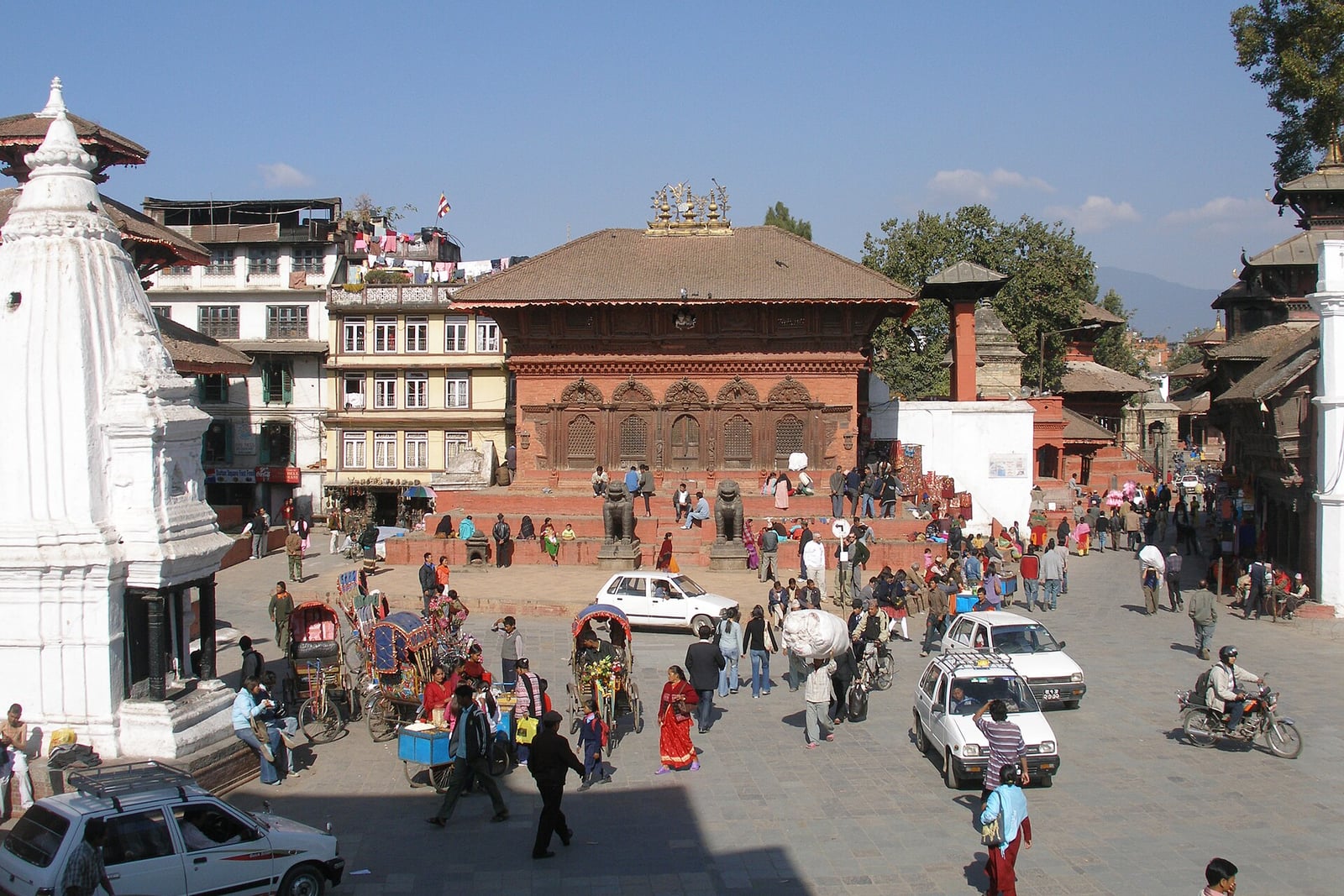
On 21 November 2006, the government of Nepal and the Communist Party of Nepal (Maoist) signed the Comprehensive Peace Accord in Kathmandu. Concluded between Prime Minister Girija Prasad Koirala and insurgent leader Pushpa Kamal Dahal, known as Prachanda, the pact formally brought a close to a decade of armed conflict. The agreement committed the Maoists to end their guerrilla campaign, place their weapons under United Nations monitoring, and integrate their movement into the country's regular political system.
The accord was made public at a large gathering of politicians, diplomats and civil society leaders in Kathmandu, where the government's chief negotiator, Krishna Sitaula, declared that the war was over and that the ceasefire both sides had observed for more than six months had become permanent. Under the deal, the Maoists were to join a transitional government and move into parliament, abandoning their guerrilla status, while their weapons would be monitored by the United Nations. Prachanda described the moment as the end of a feudal system that had lasted 238 years, and the 85-year-old Koirala said the agreement had ended the politics of killing and opened the door to peace. The United Nations welcomed the deal as another key step in the peace process.

Keep reading in Yester
Coming soon to the App Store
Keep following the story
Sources
Image: Vyacheslav Argenberg