Argentina Wins a World Cup Final That Refuses to Stay Settled
A contested tournament culminated in a dramatic final whose outcome depended on more than one celebrated player.
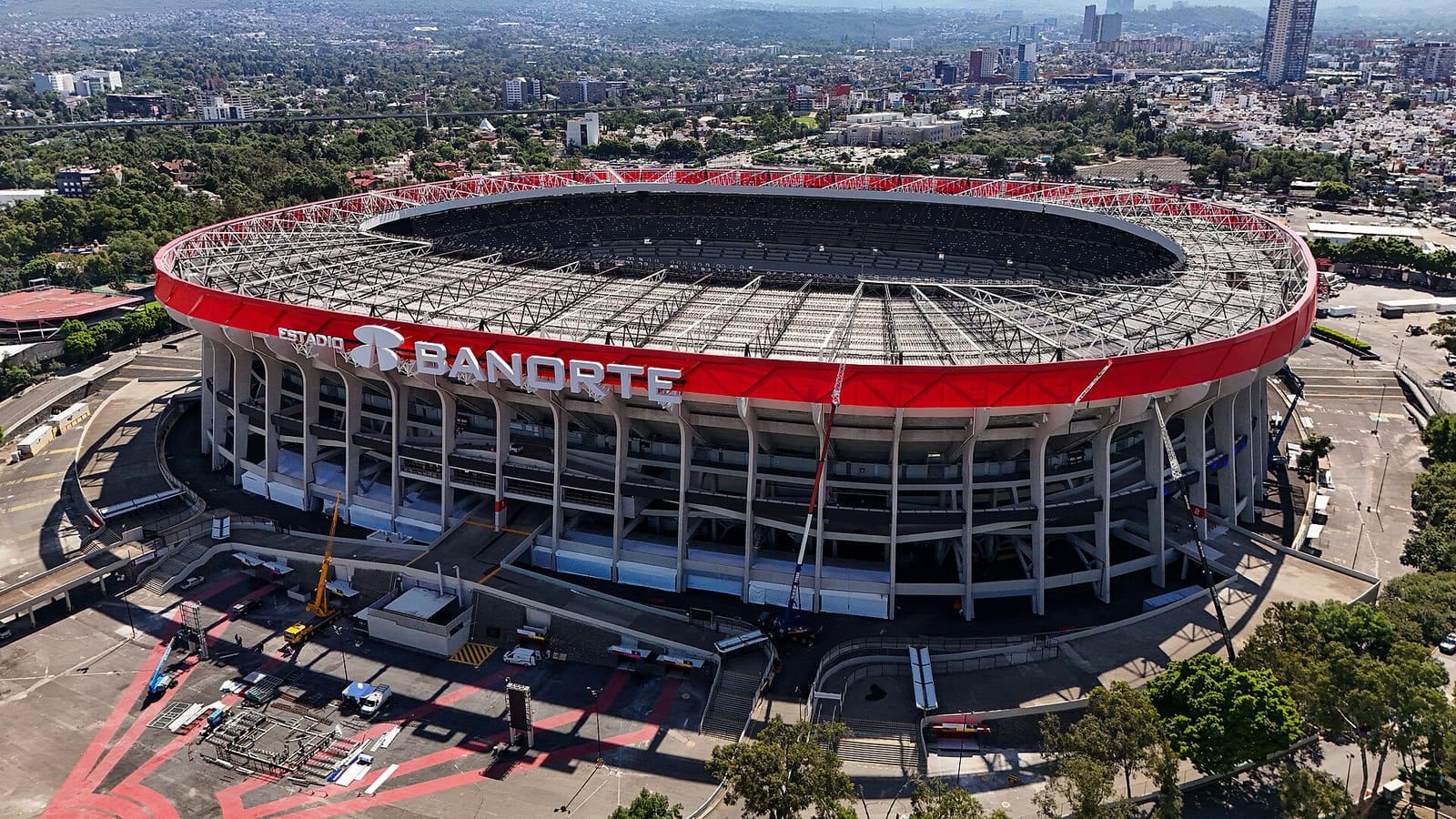
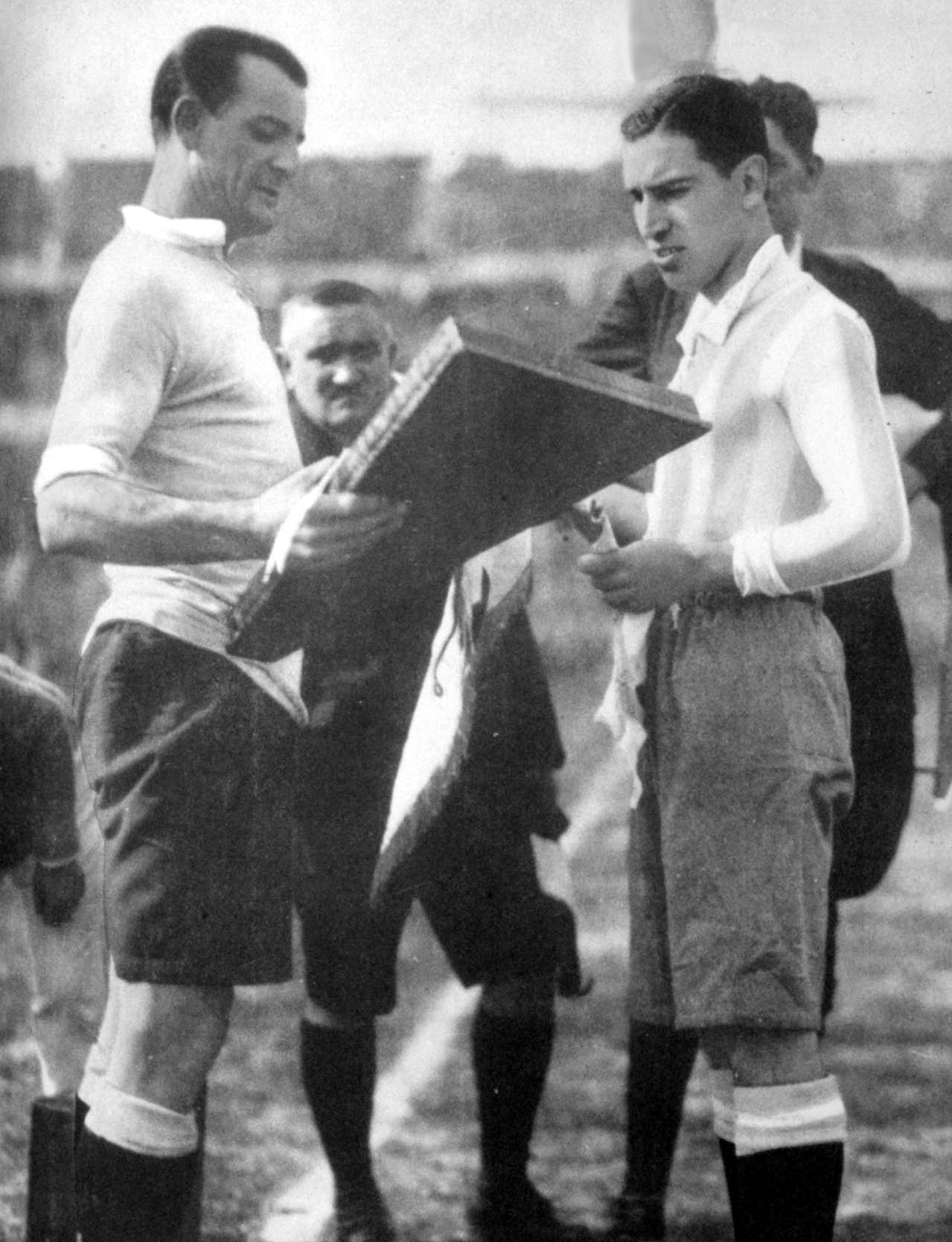
On 29 June 1986, Argentina and West Germany met at Estadio Azteca in Mexico City to decide the thirteenth FIFA World Cup. An attendance of 114,600 spectators gathered at the venue, which had previously staged Olympic matches in 1968 and the World Cup decider in 1970. Both squads entered the fixture as prior tournament champions with established traditions on football's highest stage. Argentina had claimed its inaugural victory as tournament hosts in 1978 and had finished as runners-up in the opening 1930 tournament against Uruguay, while West Germany had won titles in 1954 and 1974 alongside multiple second-place finishes.
Argentina's pathway to the decider showcased tactical collective play alongside prominent moments from Diego Maradona. After topping Group A with victories over South Korea and Bulgaria alongside a draw against Italy, the Argentine squad eliminated Uruguay with a solitary goal from Pedro Pasculli. A quarter-final against England brought heightened attention when Maradona directed a ball into the net with his hand, an infringement that the officials did not penalize. Minutes later, Maradona dribbled through five English players to score again, an effort later designated by FIFA as the Goal of the Century. A semi-final victory over Belgium through two additional Maradona goals confirmed Argentina's place in the final.

Keep reading in Yester
Coming soon to the App Store
Keep following the story
Sources
Image: ProtoplasmaKid