The Iranian Revolution Ends the Monarchy
Mass protests toppled the shah and founded an Islamic republic.
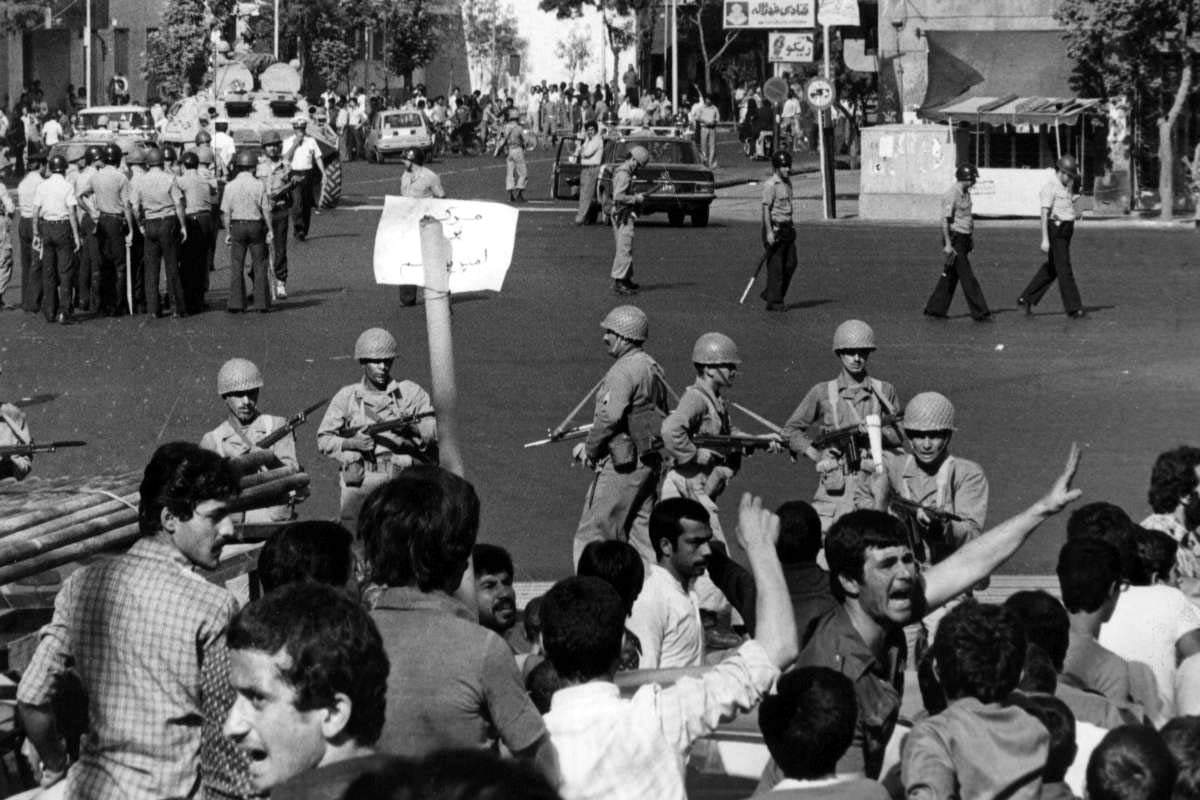
On 16 January 1979, Shah Mohammad Reza Pahlavi departed Iran for exile, never to return, and within a month Iran's centuries-old monarchy had collapsed. His departure followed more than a year of swelling civil resistance, general strikes, and mass street demonstrations that had paralyzed the nation. Two weeks later, on 1 February, the exiled cleric Ayatollah Ruhollah Khomeini landed in Tehran, greeted by several million supporters. By 11 February, armed combat between rebel groups and monarchist loyalists culminated in the total collapse of the imperial administration, setting the stage for a new political order.
The seeds of the uprising lay in decades of political repression and foreign entanglement. Following the 1953 coup d'etat backed by the United States and the United Kingdom, which toppled Prime Minister Mohammad Mosaddegh, the Shah ruled as an autocrat closely aligned with the West. During the 1960s, he launched the White Revolution, a modernization and land reform initiative aimed at transforming traditional society. While the program expanded industrial and educational sectors, it alienated conservative landowners, the Shia clergy, and newly displaced rural laborers who migrated into cities without reaping the promised rewards.

Keep reading in Yester
Coming soon to the App Store
Keep following the story
Sources
- 1979: Shah of Iran flees into exile (BBC On This Day)
- 1979: Exiled Ayatollah Khomeini returns to Iran (BBC On This Day)
- Iran (Islamic Republic of)'s Constitution of 1979 with Amendments through 1989 (Constitute Project)
- Hossein Takbalizadeh, Omid memorial (Abdorrahman Boroumand Center)
- Iranian Revolution
Image: Unknown author Unknown author