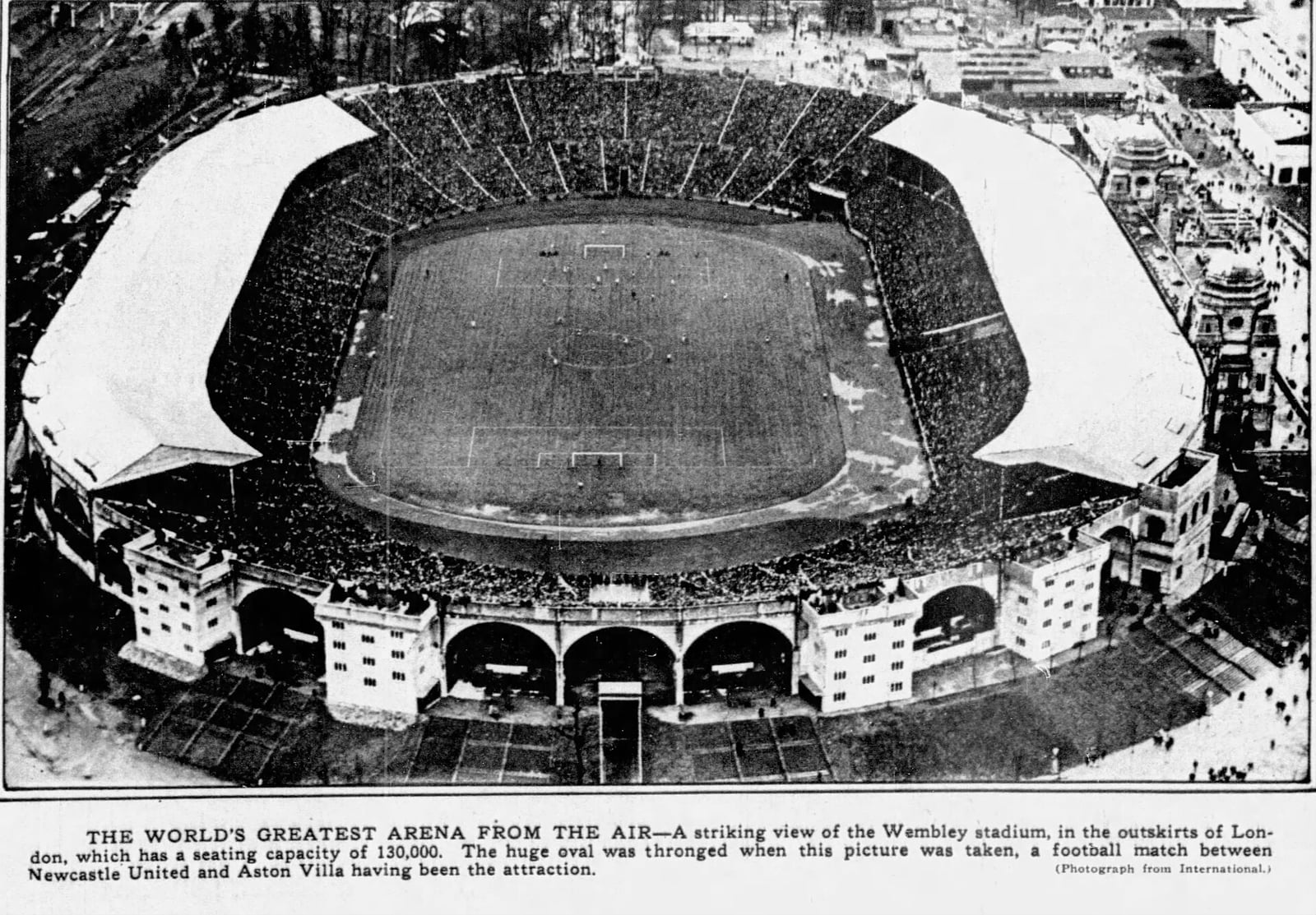
Hungary Beats England at Wembley
The Golden Team won 6–3 and changed how England saw football.
On 25 November 1953, a crowd of around 100,000 spectators gathered at Wembley Stadium to watch an international friendly between England and Hungary. The British press promoted the encounter as the Match of the Century, pairing the nation that had codified association football against an opponent that held the 1952 Olympic title and arrived on an unbeaten run spanning twenty-four matches since May 1950. English football administrators maintained an assumption of domestic superiority, having previously lost on home turf to foreign opposition only once, against an Irish selection in 1949. However, warning signs had surfaced just a month prior, when England relied on a last-minute penalty to secure a 4-4 draw against a visiting European XI.
The institutional structure of the English national team reflected an entrenched resistance to foreign tactical developments. Walter Winterbottom served as national manager without prior professional managerial experience, tasked with both managing the senior team and advancing coaching standards across the entire country. Winterbottom lacked authority over team selection, which remained the responsibility of a Football Association committee that showed little consistency in its squads. England continued to deploy the traditional, rigid WM formation, whereas foreign sides were experimenting with fluid movement and disciplined physical conditioning regimens.

Keep reading in Yester
Coming soon to the App Store
Keep following the story

Sources
- England v Hungary, 25 November 1953 (11v11 / AFS Enterprises)
- Match 284: England v Hungary, 25th November 1953 (EnglandStats.com)
- Match 282: England v Rest of Europe, October 1953 (EnglandStats.com)
- Men from Mars become Magical Magyars (UEFA)
- When Hungary taught the world to play football (Emerging Europe)
- England-Hungary matches 1908-2022 (RSSSF)
- Match of the Century (1953 England v Hungary football match)
Image: International News Service