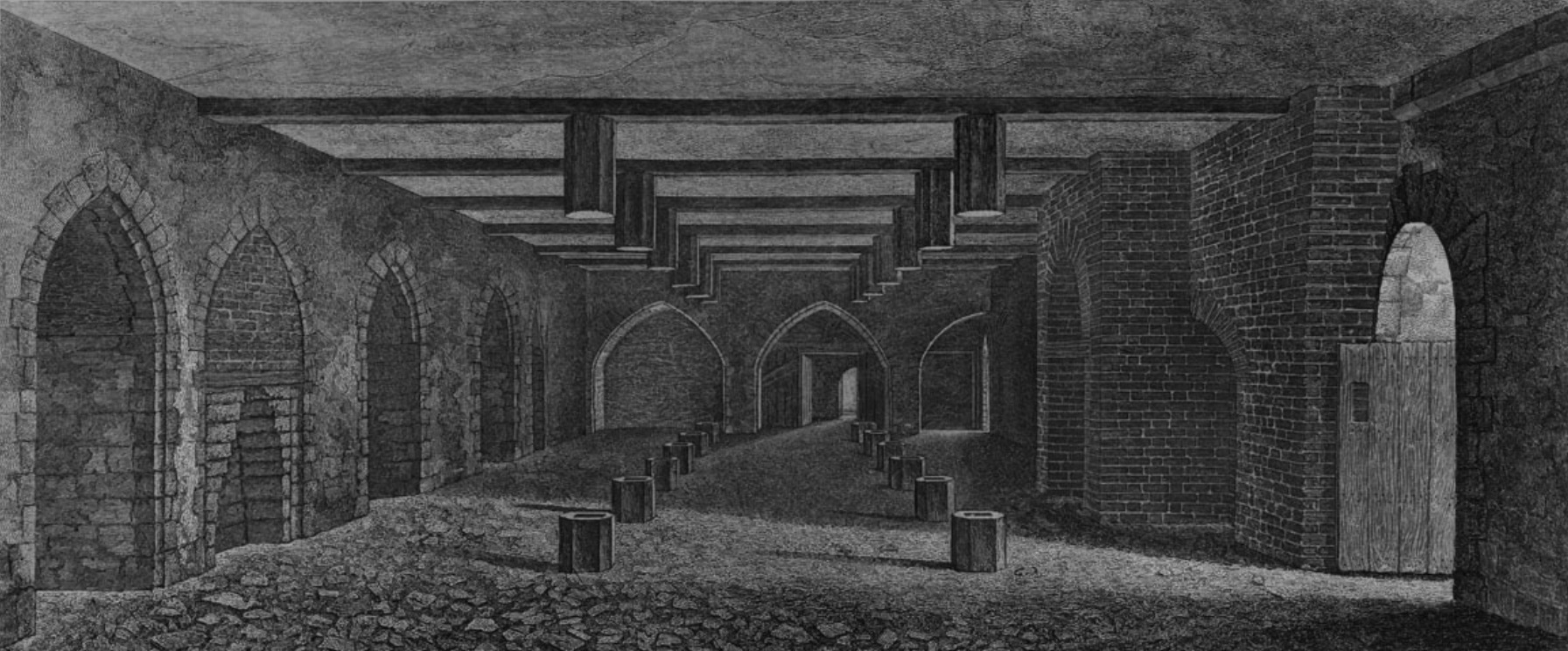
The Gunpowder Plot Is Discovered
Conspirators planned to blow up Parliament and the king.
Late on the night of 4 November 1605, authorities searched the Palace of Westminster and discovered a man posing as a servant, Guy Fawkes, standing guard over thirty-six barrels of gunpowder. The hidden explosives had been stockpiled inside a ground-floor undercroft situated directly below the House of Lords. Had the powder been ignited the following day during the State Opening of Parliament, it would have demolished the chamber, killing King James I, his family, the senior Protestant nobility, and leading figures of the English state and church.
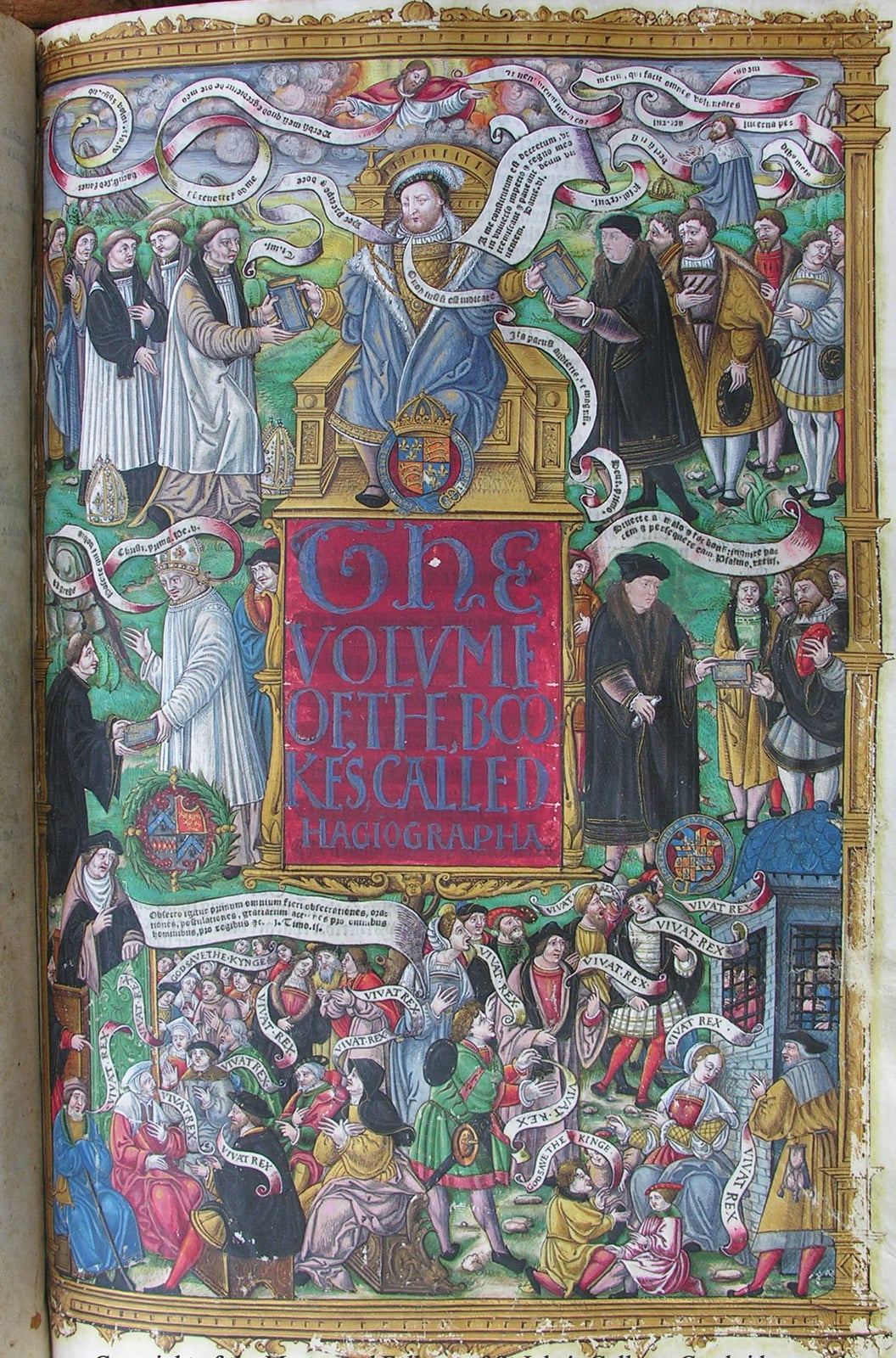
The conspiracy had taken shape over the preceding eighteen months under the leadership of Robert Catesby. Decades earlier, King Henry VIII had separated the Church of England from papal authority, initiating prolonged religious strife that deepened under Queen Elizabeth I. English Catholics faced steep recusancy fines, imprisonment, and execution for sheltering priests. When James I acceded to the throne in 1603, many Catholics initially anticipated greater tolerance. Those hopes soon collapsed after James denounced the Roman Church, ordered Catholic clergy to leave the kingdom, and strictly enforced anti-recusancy measures.

Keep reading in Yester
Coming soon to the App Store
Keep following the story
Sources
- Frequently Asked Questions: The Gunpowder Plot (UK Parliament)
- The Plot: conspiracy and deception (UK Parliament Living Heritage)
- Guy Fawkes (UK Parliament Living Heritage)
- The Gunpowder Plot (The National Archives)
- Gunpowder Plot: what is the history behind Bonfire Night? (Royal Museums Greenwich)
- Gunpowder Plot
Image: William Capon