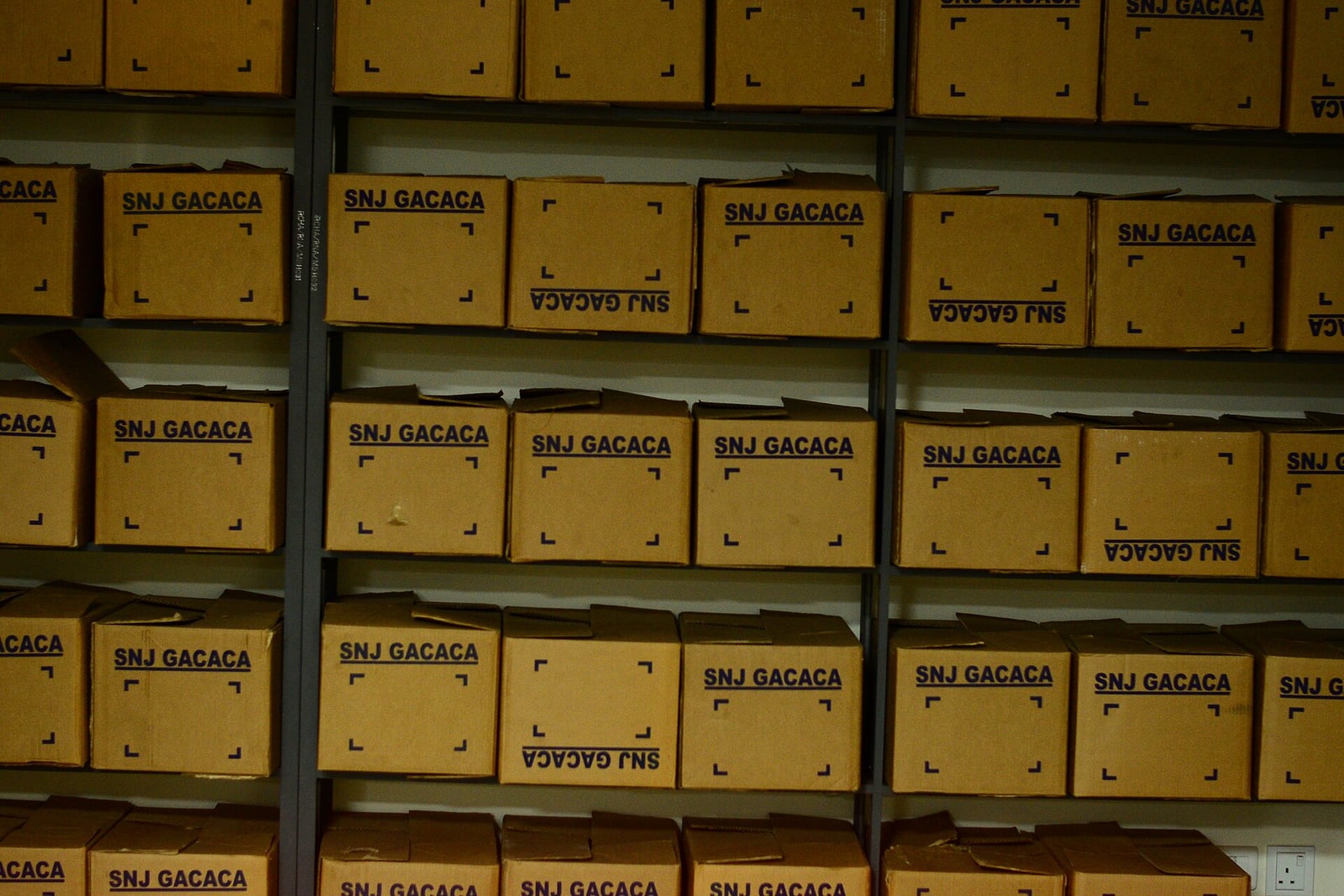
Rwanda Turns to Community Gacaca Courts
Village courts heard well over a million cases from the 1994 genocide in about a decade.
In 2002, communities across Rwanda began holding trials under an adapted form of traditional dispute resolution known as Gacaca. During the 1994 genocide against the Tutsi, hundreds of thousands of people were killed, with estimates ranging from more than half a million to more than one million, leaving behind roughly 130,000 suspects detained in severely overcrowded prisons. The conventional court system had ground to a halt during the violence, and the vast majority of trained legal professionals had been killed or displaced. While the United Nations created the International Criminal Tribunal for Rwanda to try senior leaders, local facilities lacked the capacity to process tens of thousands of pending cases without resorting to an alternative model.
The modern courts drew their title from a historical practice dating back to the precolonial era, where community elders met on communal grass, or umucaca, to resolve neighborhood disputes before appealing to the royal court. Although Western legal codes had largely displaced these informal sessions during European colonization, Rwandan officials revitalized the concept through legislation passed in 2001. Rather than adopting an international format or a truth commission model, the administration structured a grassroots judicial system to accelerate trials, deter revenge killings, and address local disputes using familiar customs.

Keep reading in Yester
Coming soon to the App Store
Keep following the story
Sources
Image: Adygrafix250