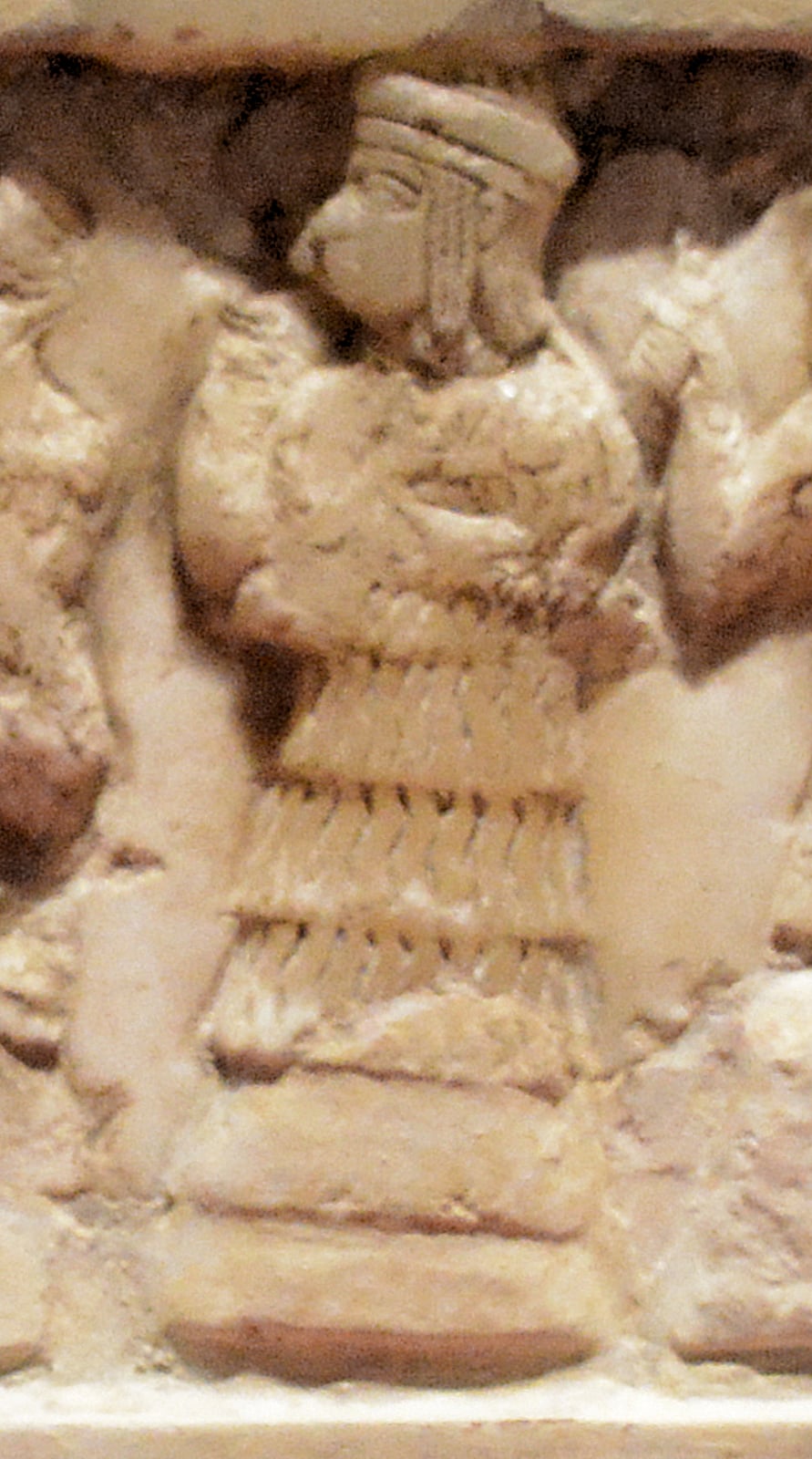
Enheduanna Writes Hymns at Ur
A high priestess at Ur is often called the earliest author known by name.
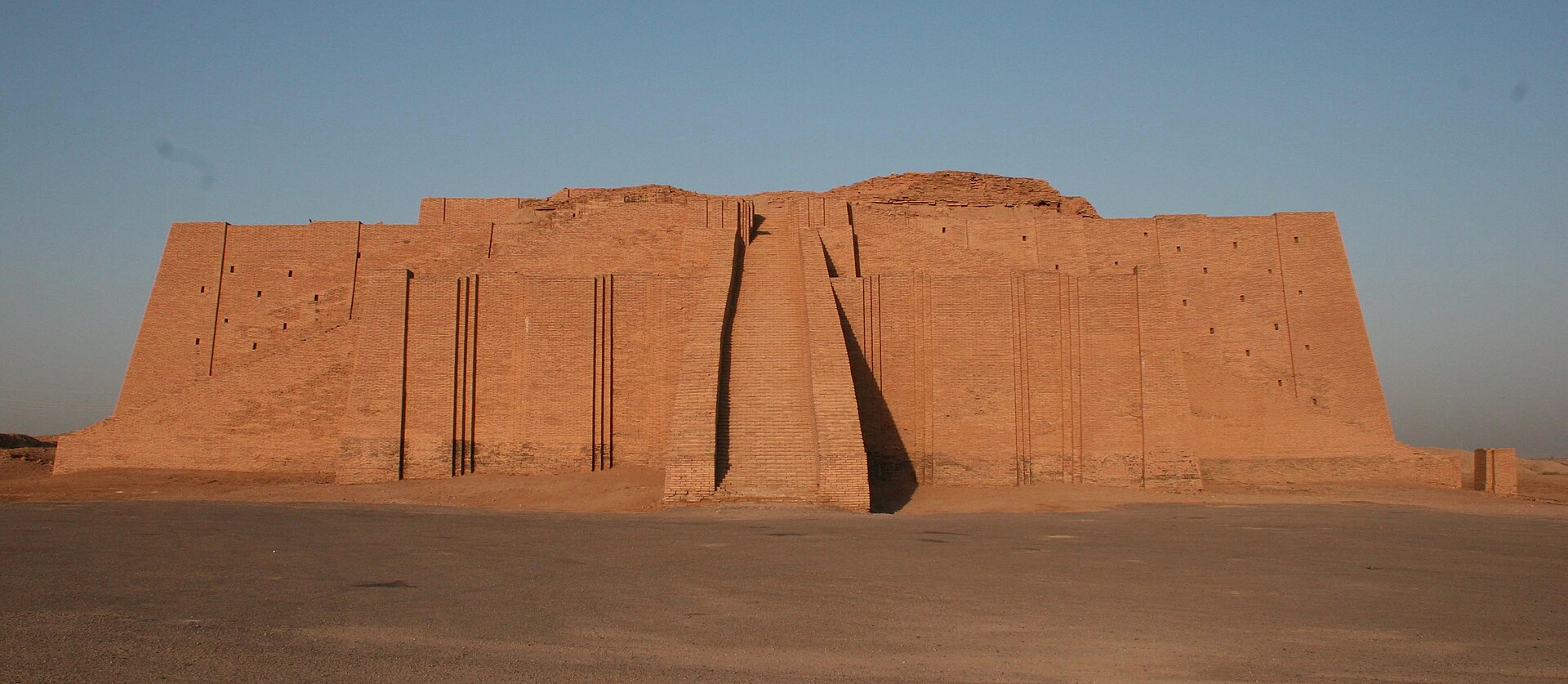
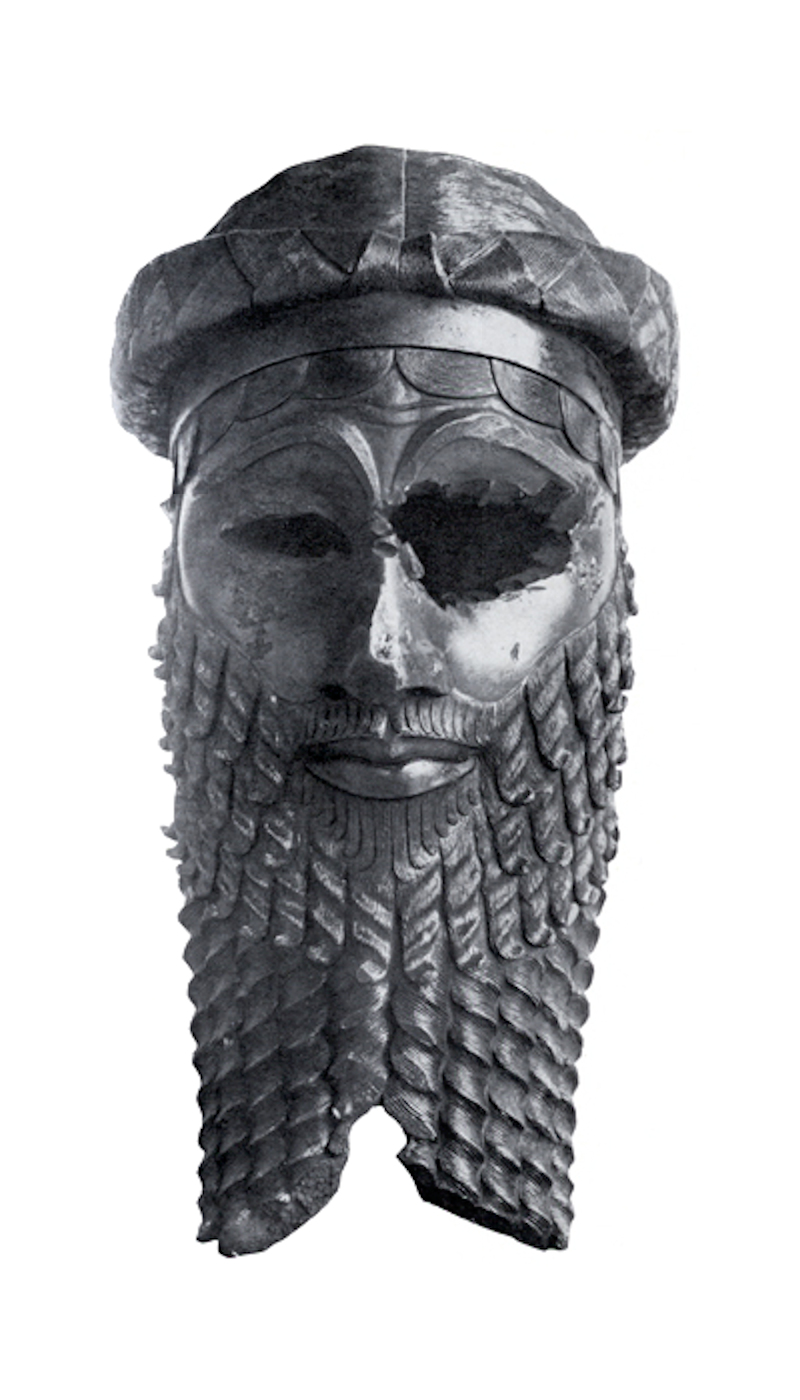
Around the twenty-fourth century BCE, the ruler Sargon of Akkad established control over numerous Sumerian city-states. To strengthen the connection between his northern Akkadian administration and the long-established cultic centers of the south, he appointed his daughter, Enheduanna, as the high priestess of the moon god Nanna at the ancient city of Ur. This temple office, known as the entu, carried substantial prestige and ritual influence, effectively functioning as the human counterpart to Nanna's divine consort, Ningal. Through her sacred appointment, Enheduanna occupied a critical bridge between two cultural traditions in early Mesopotamia.
Historical events during the later reign of Sargon's grandson Narām-Sîn challenged this arrangement. A local leader named Lugal-Ane seized power in Ur during a broader rebellion against central imperial control. According to the Exaltation of Inanna, he drove the high priestess out of the temple and stripped her of the crown of her office, and she was forced into exile, probably in the territory of Lagash. Only after imperial forces suppressed the uprising was the central authority reestablished, which likely enabled her to reclaim her religious office in the city.

Keep reading in Yester
Coming soon to the App Store
Keep following the story
Sources
- Priestess, Poet, Politician (Archaeology Magazine, Archaeological Institute of America)
- The exaltation of Inana (Inana B): translation (Electronic Text Corpus of Sumerian Literature, University of Oxford)
- Was Enheduanna the World's First Author? (AramcoWorld)
- The Earliest Known Author Was a Woman from Mesopotamia (HISTORY, A&E Networks)
- Enheduanna
Image: Mefman00