The Cry of Dolores Starts Mexico’s War of Independence
A parish priest called his congregation to rebellion.
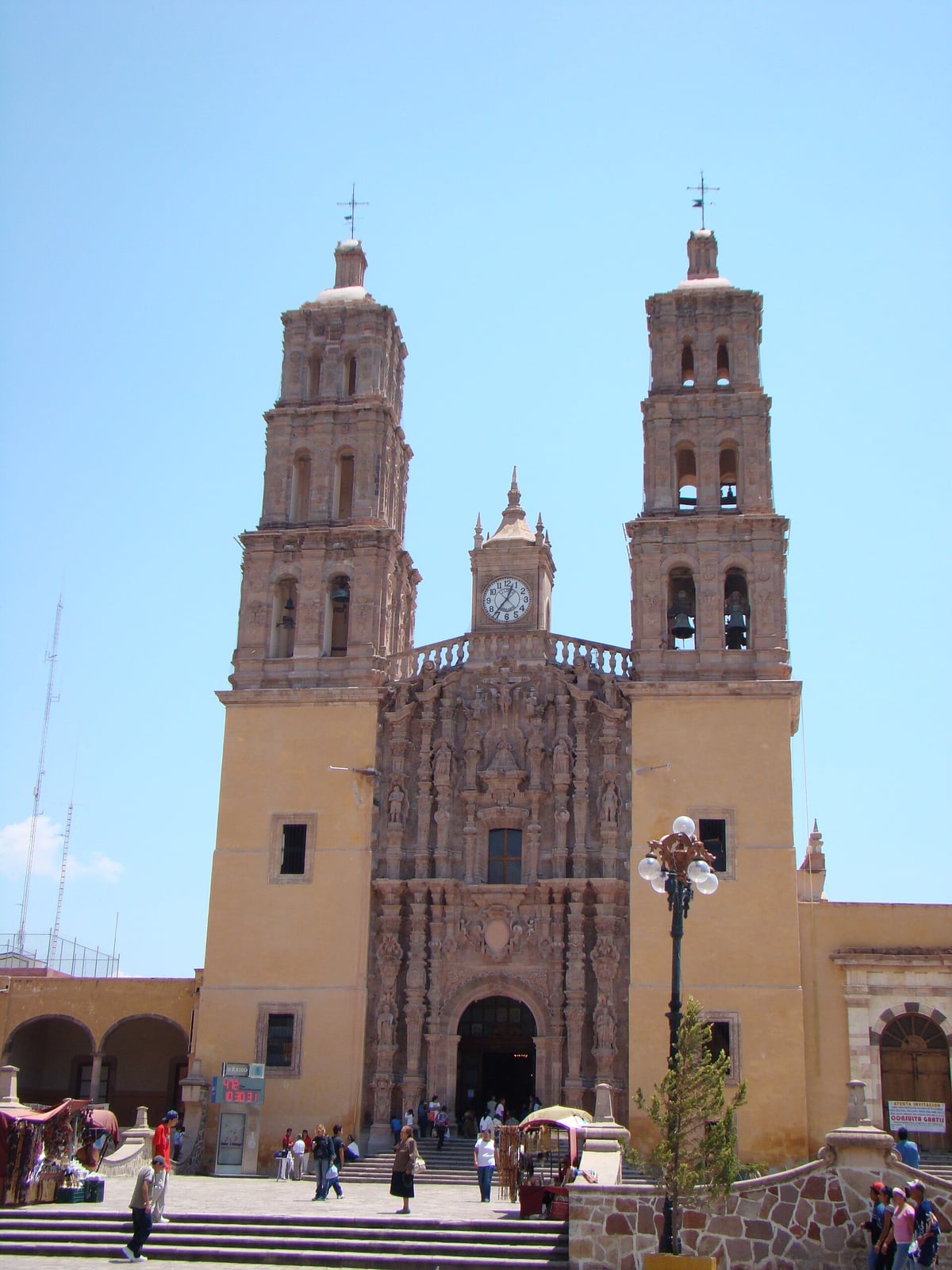
In the early hours of 16 September 1810, the parish priest Miguel Hidalgo y Costilla set in motion the conflict that ultimately separated New Spain from the Spanish crown. Before dawn, Hidalgo ordered the bells of his church in the town of Dolores to be sounded. When his parishioners gathered in front of the building, he stepped forward alongside conspirators Ignacio Allende and Juan Aldama to deliver an urgent call to arms. This proclamation, which entered historical memory as the Cry of Dolores, marked the effective opening of the Mexican War of Independence.
The rebellion stemmed from acute imperial instability following Napoleon Bonaparte's overthrow of the Bourbon monarchy in Spain in 1808. Across Spain's territories in the Americas, regional communities rejected Napoleon's brother Joseph Bonaparte as their legitimate ruler. In New Spain, local criollo leaders attempted to establish an autonomous administration loyal to the deposed Spanish king, Ferdinand VII. Alarmed by the prospect of losing royal dominion, members of the resident peninsular elite executed a coup to maintain control, similarly invoking the authority of Ferdinand VII. In response to this political impasse, creoles organized clandestine discussion circles and conspiracies throughout the viceroyalty, including an active cell based in Queretaro that drew Hidalgo into its ranks.

Keep reading in Yester
Coming soon to the App Store
Keep following the story
Sources
- Grito de Dolores: 5 mitos y verdades del hito que marca el inicio de la independencia de México (BBC News Mundo, via La Opinión)
- El grito de Dolores de 1812 a 1968, Emmanuel Carballo (Revista de la Universidad de México, UNAM)
- La primera Acta de Independencia de México se publicó en Texas (Gaceta UNAM)
- For the first time in 215 years, a woman leads Mexico's Cry of Independence (The New York Times, via WLRN)
- Grito de Dolores
Image: slevinr