The Comuneros Rise in New Granada
A tax revolt in the Andes forced colonial officials to negotiate.
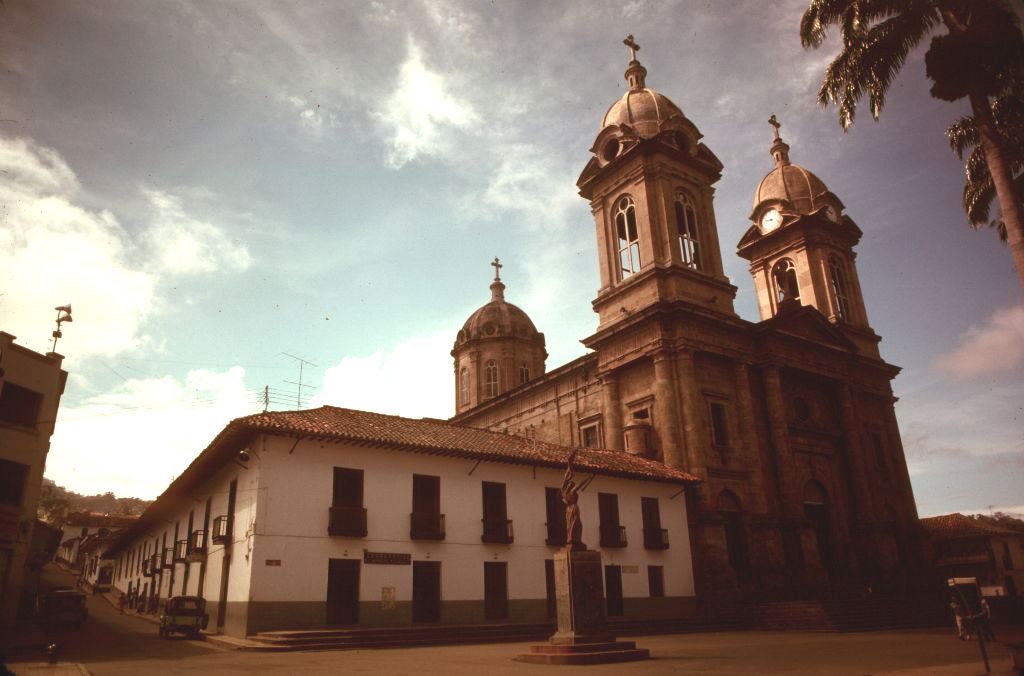
On March 16, 1781, in the market town of Socorro in northeastern New Granada, a crowd led, according to tradition, by a woman named Manuela Beltrán tore down a newly posted royal edict announcing higher sales tax rates. The episode turned local discontent into open revolt, though historians still debate the details of her role. Across the region, residents reacted against escalating financial demands and price increases on basic state monopolies like tobacco and brandy. These fiscal pressures had intensified after Spain entered the Anglo-Spanish War against Britain in 1779, seeking imperial revenues through the administrative overhauls known as the Bourbon Reforms.
Protests quickly spread from Socorro into neighboring settlements across the viceroyalty. Townspeople established an organized committee of delegates known as el común to direct their collective resistance. Despite social divisions, the uprising gained momentum across diverse social strata, aided by the participation of Criollo elites. Juan Francisco Berbeo, a member of the local upper class, took charge of the armed mobilization, gathering an insurgent force estimated between 10,000 and 20,000 fighters to march toward the viceregal capital of Bogotá.

Keep reading in Yester
Coming soon to the App Store
Keep following the story
Sources
Image: Me