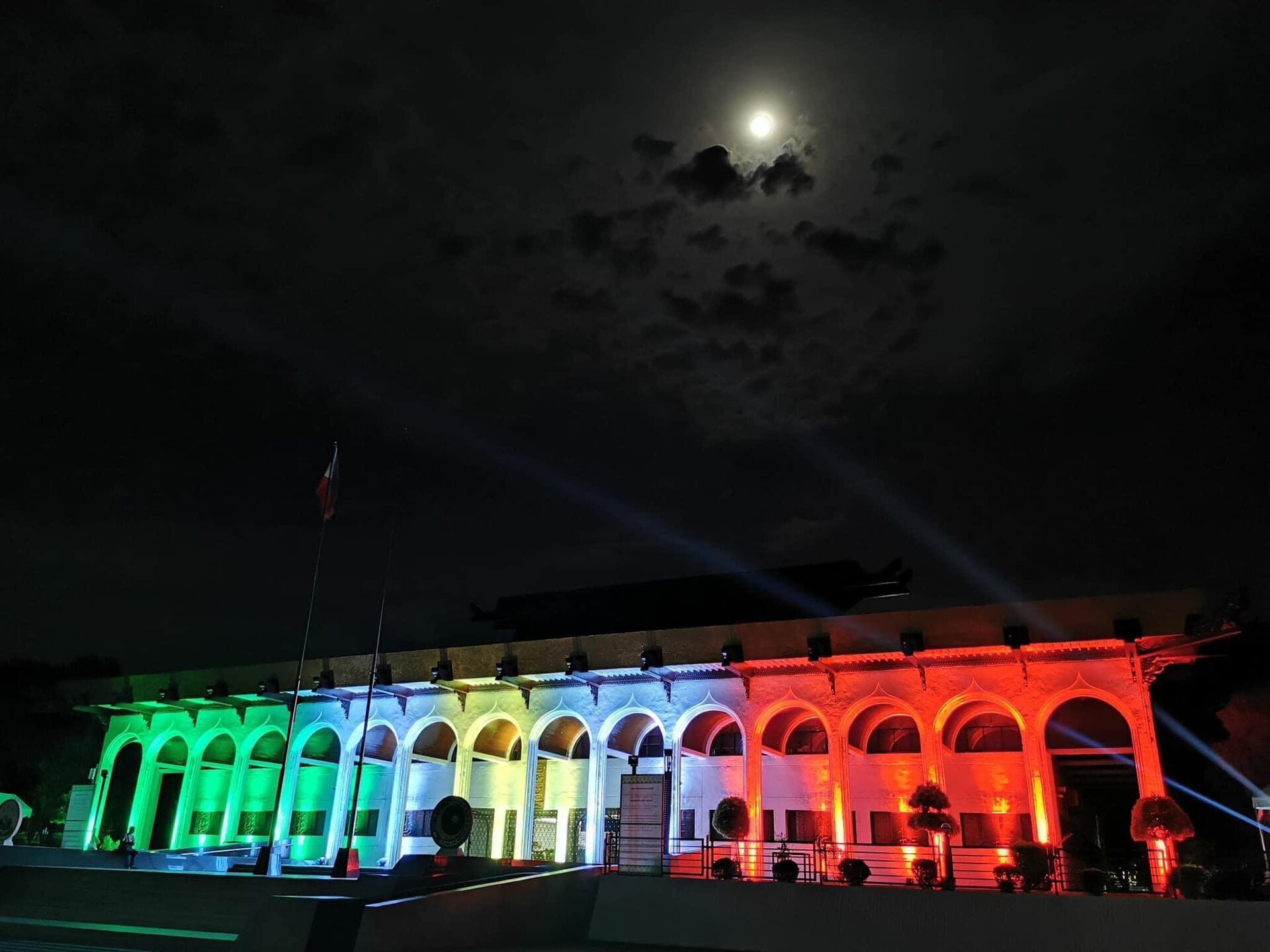
Bangsamoro Wins Self-Rule in the Southern Philippines
A plebiscite created a Muslim-majority autonomous region after decades of conflict in Mindanao.
On January 25, 2019, the Philippine Commission on Elections declared the Bangsamoro Organic Law ratified following a binding plebiscite held across parts of Mindanao. The popular vote set in motion the dissolution of the Autonomous Region in Muslim Mindanao and led to the creation of the Bangsamoro Autonomous Region in Muslim Mindanao. Designed to establish meaningful self-rule for the country's Muslim minority, the new political entity emerged after decades of armed conflict and intermittent negotiations between the central government in Manila and southern separatist factions.
The roots of the unrest reached deep into the history of southern Mindanao, which maintained autonomy under independent sultanates such as Sulu, Maguindanao, and Buayan during centuries of Spanish colonial rule. Tensions sharpened dramatically in the twentieth century under American administration and subsequent Philippine republics, which promoted state-sponsored migration programs. Resettlement relocated hundreds of thousands of Christian homesteaders from Luzon and the Visayas into traditional Muslim and indigenous Lumad territories, generating intense disputes over land tenure and eroding the demographic and political standing of native communities.

Keep reading in Yester
Coming soon to the App Store
Keep following the story

Sources
- Comelec: Bangsamoro Organic Law 'deemed ratified' (Rappler)
- 63 out of 67 barangays in Cotabato to join Bangsamoro region (Rappler)
- ARMM turns over power to Bangsamoro authority (The Philippine Star)
- SC Upholds Validity of Bangsamoro Organic Law; Declares Sulu not Part of Bangsamoro Region (Supreme Court of the Philippines)
- Bangsamoro
Image: BARMM Bureau of Public Information