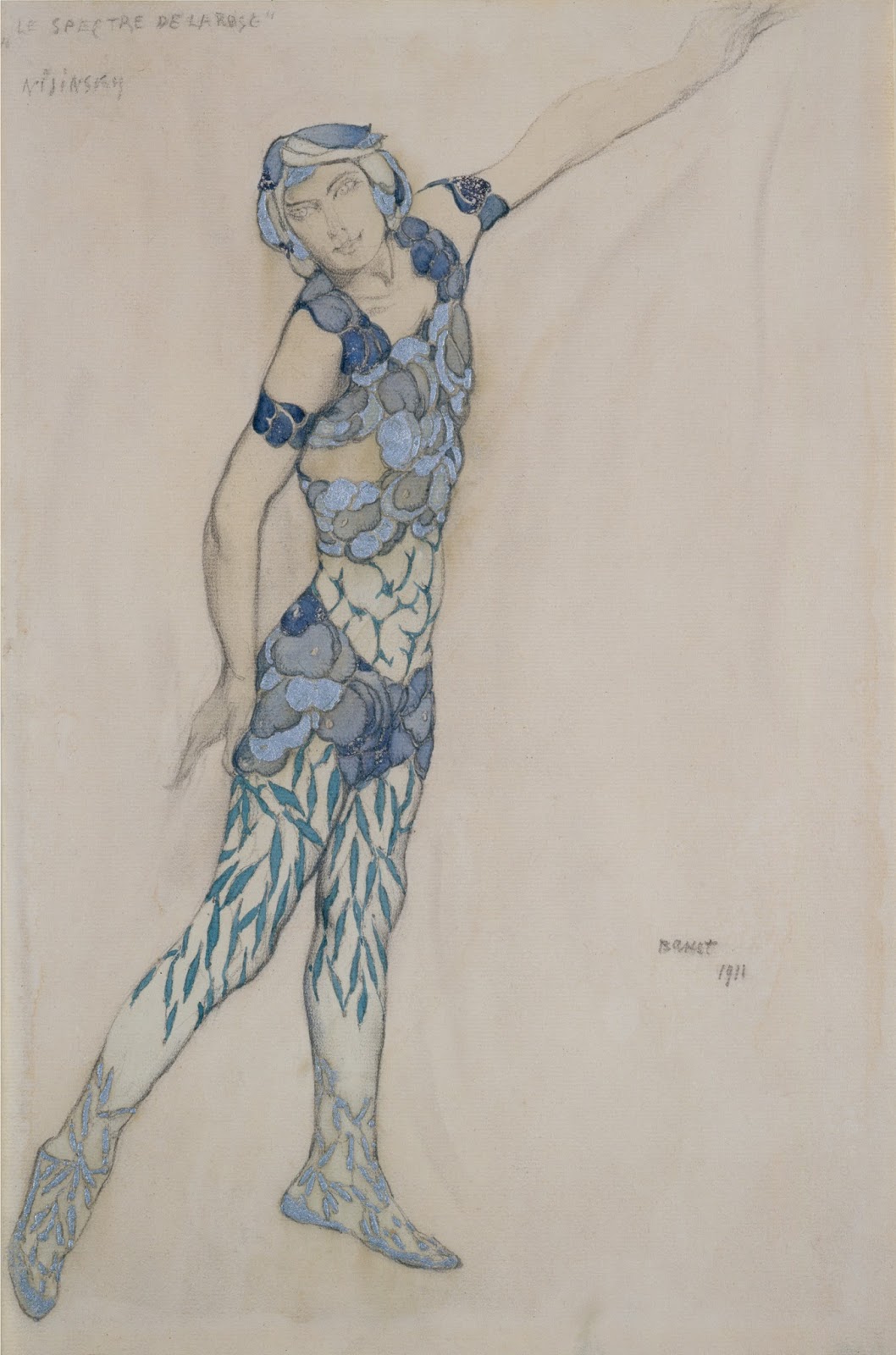
Diaghilev’s Ballets Russes Opens in Paris
A Russian troupe brought dancers like Nijinsky and Pavlova to Western audiences.
In the spring of 1909, the Russian cultural impresario Sergei Diaghilev presented an inaugural Saison Russe entirely dedicated to ballet in Paris. Having previously promoted Russian fine arts and staged an expensive production of Modest Mussorgsky's opera Boris Godunov at the Paris Opera in 1908, Diaghilev turned his focus to dance. He hired resident performers from the Imperial Ballet of Saint Petersburg to appear in France during their summer leave. Although Diaghilev did not establish the Ballets Russes as a permanent, year-round touring company until 1911, this initial Parisian run quickly established an international platform that would reshape European theatrical arts.
The 1909 season featured a repertory directed primarily by the innovative choreographer Michel Fokine, who had established his career at the Mariinsky Theatre. Audiences in Paris encountered works such as Le Pavillon d'Armide, the Polovtsian Dances from Alexander Borodin's opera Prince Igor, Les Sylphides, and Cleopatre. The company also presented Le Festin, an episodic pastiche pairing pieces by multiple Russian composers with choreography from Fokine and other arrangers. The ensemble brought leading dancers to Western Europe, including Anna Pavlova, Tamara Karsavina, and Vaslav Nijinsky, whose classical technique from the imperial academies in Moscow and Saint Petersburg revitalized Parisian dance standards.

Keep reading in Yester
Coming soon to the App Store
Keep following the story


Sources
Image: Léon Bakst.