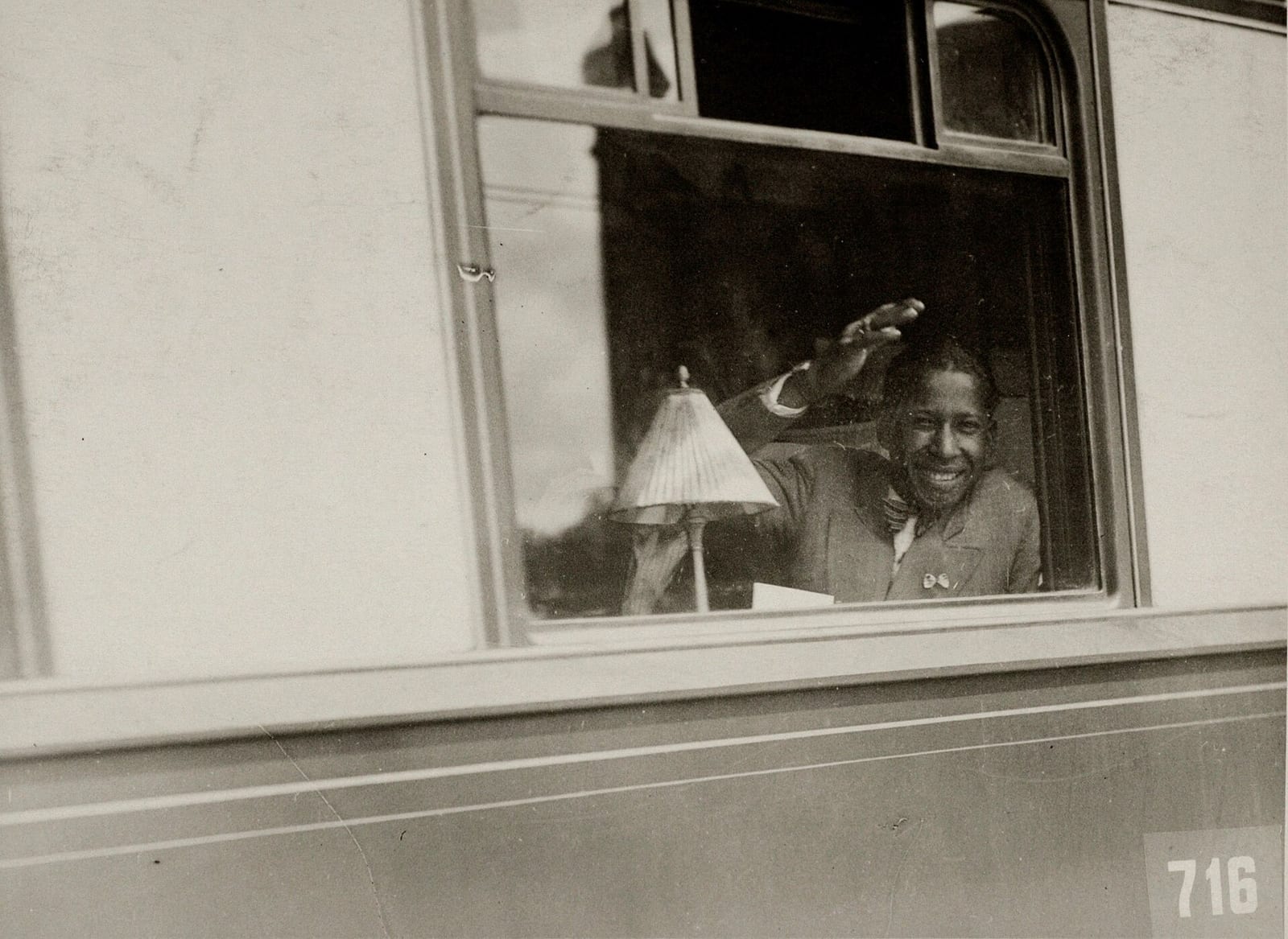
José Leandro Andrade Helps Uruguay Captivate Paris
Olympic football brought a South American team and its gifted midfielder to international attention.
In the summer of 1924, the Uruguay national football team arrived in France to contest the Olympic tournament in Paris, presenting European audiences with an unfamiliar level of athletic coordination and technical mastery. At the center of their lineup was José Leandro Andrade, a wing-half whose fluid movement and positional intelligence quickly distinguished him from the physical styles then common in continental European football. Playing in every fixture, Andrade became one of the tournament’s most celebrated players. His performances earned him widespread recognition from French spectators and reporters, who dubbed him the Black Marvel, establishing both the player and his national side as prominent forces in international sport.
Andrade had emerged from modest circumstances in Uruguay before attaining international acclaim. Born in Salto in 1901 to an Argentine mother, he was registered with a witness believed to be his father, José Ignacio Andrade, an elderly man reputed to have escaped slavery in Brazil. Moving in childhood to the Palermo neighborhood of Montevideo, Andrade supported himself through working-class occupations before the introduction of open professional compensation in local sport. He worked at different intervals as a shoeshiner and newspaper vendor, alongside performing as a carnival musician who played the violin, drums, and tambourine, and leading a drum ensemble during local festivities.

Keep reading in Yester
Coming soon to the App Store
Keep following the story
Sources
Image: Unknown author Unknown author